If you're considering a project that involves using public land in Chico, you'll need to understand the encroachment bond process. This requirement not only ensures compliance with local regulations but also protects the city from potential liabilities. You might be wondering about the specific steps to secure this bond and how it benefits both you and the city. As you navigate this process, there are crucial details about the application and common scenarios that could significantly impact your project's success. What you discover next could change how you approach your plans.
Overview of Encroachment Bonds

Understanding encroachment bonds is crucial for property owners and developers planning to use public land for private projects. An encroachment bond acts as a financial guarantee that ensures you'll adhere to local regulations while using or altering public property.
When you're granted permission to encroach, this bond serves as a safeguard for the city, protecting it from any potential damages or liabilities that might arise from your project.
Typically, you'll need to obtain this bond before starting any work. It usually covers costs associated with restoring public land if your project disrupts it. If you fail to meet the terms outlined in your permit or cause damage, the city can claim the bond funds to cover repairs.
The bond amount often depends on the scale of your project and the potential impact on the public space.
Purpose and Benefits
The purpose of an encroachment bond is to protect both the city and property owners during projects that involve public land. When you undertake a project that affects the public right-of-way, this bond ensures that you adhere to local regulations, minimizing potential disruptions.
By securing this bond, you show your commitment to maintaining the integrity of public spaces while also safeguarding your interests.
One of the key benefits of having an encroachment bond is that it provides financial security. If any issues arise—like damage to public property or failure to complete the project as promised—the city can draw from the bond to cover costs. This means you won't face unexpected expenses that could derail your project.
Additionally, the bond fosters a cooperative relationship between you and the city. It signals that you're taking your responsibilities seriously, which can lead to smoother communications and a more efficient project approval process.
Application Process
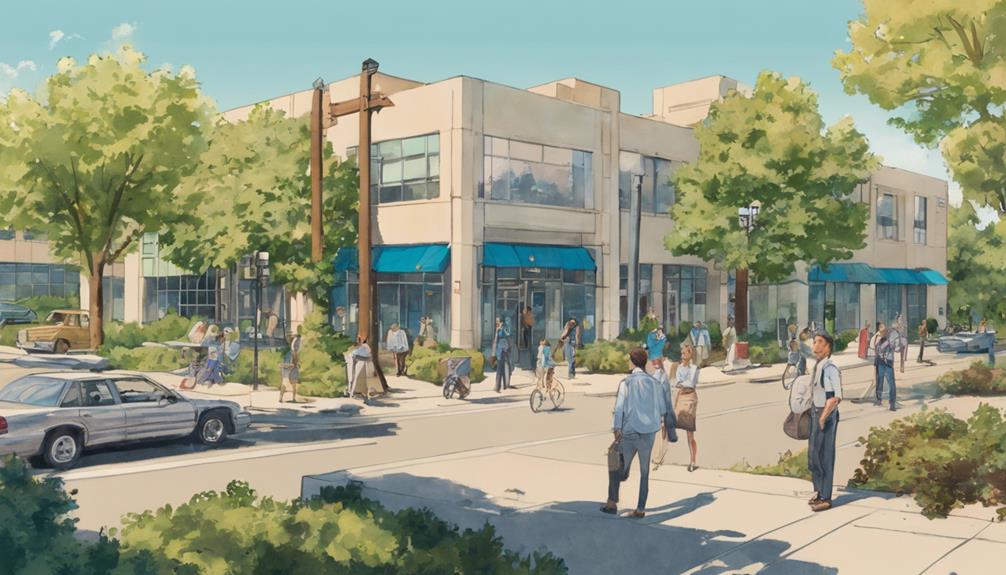
To apply for an encroachment bond, you'll need to gather specific documentation and submit an application to the city.
Start by checking the city's website for the application form, which usually provides detailed instructions. You'll want to prepare essential documents like plans or diagrams of your proposed encroachment, proof of ownership, and any relevant permits.
Once you have everything ready, fill out the application form carefully. Make sure to include all required information to avoid delays.
After completing the form, you'll need to submit it along with the gathered documentation to the appropriate city department.
Keep in mind that there might be an application fee, so be prepared to pay that when you submit your materials.
After submission, the city will review your application. They may contact you for additional information or clarifications, so stay responsive to any communication.
Once approved, you'll receive your encroachment bond, allowing you to proceed with your project.
Requirements for Property Owners
When applying for an encroachment bond, property owners must meet specific requirements to ensure compliance with city regulations.
First, you'll need to provide proof of ownership for the property where the encroachment will occur. This can include a title deed or a property tax statement.
Next, you should submit detailed plans of the proposed encroachment, showing how it aligns with local codes.
Additionally, you must demonstrate that your encroachment won't obstruct public rights-of-way or create hazards for pedestrians or vehicles. A site inspection might be required to evaluate the potential impact on the surrounding area.
Ensure you have the necessary permits from other relevant agencies, as failing to do so could delay your application.
You should also be prepared to pay any associated fees, including application and bond fees, which can vary based on the nature of the encroachment.
Finally, you may need to provide evidence of insurance coverage that protects against potential liabilities related to the encroachment.
Meeting these requirements will streamline your application process and help you avoid complications down the road.
Common Encroachment Scenarios

Various encroachment scenarios can arise in urban settings, each requiring careful consideration and planning.
One common scenario involves the placement of fences or walls that extend beyond your property line, which can lead to disputes with neighbors and potential legal issues. If you decide to construct a fence, it's crucial to verify property boundaries to avoid encroaching on public land.
Another scenario is the installation of landscaping features, such as trees or shrubs, that may encroach upon sidewalks or streets. These can obstruct pedestrian access or interfere with utility lines, creating safety hazards. You'll want to ensure any plantings stay within your property limits.
Additionally, temporary structures like scaffolding or construction equipment often encroach on public right-of-ways during building projects. You must obtain the appropriate permits and may need to provide a bond to cover any potential damages.
Lastly, encroachments involving driveways or parking areas that extend into public spaces can create traffic flow issues. Always check local regulations before making alterations to ensure compliance and avoid penalties.
Understanding these scenarios is vital for protecting your property and maintaining good relations with the community.
Tips for Successful Approval
Navigating the approval process for encroachments can be straightforward if you follow a few key strategies.
First, familiarize yourself with local ordinances and guidelines. Understanding the specific requirements for your area will help you prepare the necessary documentation and avoid surprises later in the process.
Next, ensure your project aligns with city regulations. Gather all relevant information, such as site plans and impact assessments, to support your application. Providing clear and detailed plans demonstrates that you're serious and prepared.
Don't underestimate the importance of communication. Engage with city officials early and often. They can offer valuable insights and help you address any potential issues before they arise. Be open to feedback and willing to make adjustments if needed.
Lastly, submit your application well ahead of deadlines. This gives you ample time to respond to any requests for additional information.
Patience and persistence are key. Follow up on your application status periodically, but be respectful of the review process. By being proactive and organized, you'll significantly increase your chances of a successful approval.
Conclusion
In summary, securing an encroachment bond in the City of Chico is a crucial step for any property owner planning to use public land. By understanding the purpose, benefits, and application process, you can navigate requirements more easily. Whether you're enhancing your property or undertaking a larger project, being prepared will help you gain approval smoothly. Don't hesitate to reach out to city officials if you have questions—it's all about fostering a positive relationship for successful projects!