If you're a contractor in Bridgeport, Connecticut, understanding the bonding process for a Street Excavating or Curb and Walk Layers License is crucial. You need to ensure financial accountability through specific bonds that protect both you and the city. Navigating the requirements can seem daunting, but knowing what's necessary can make the process smoother. Ready to explore the essential steps and implications involved in securing these licenses?
Overview of Licensing Requirements in Bridgeport
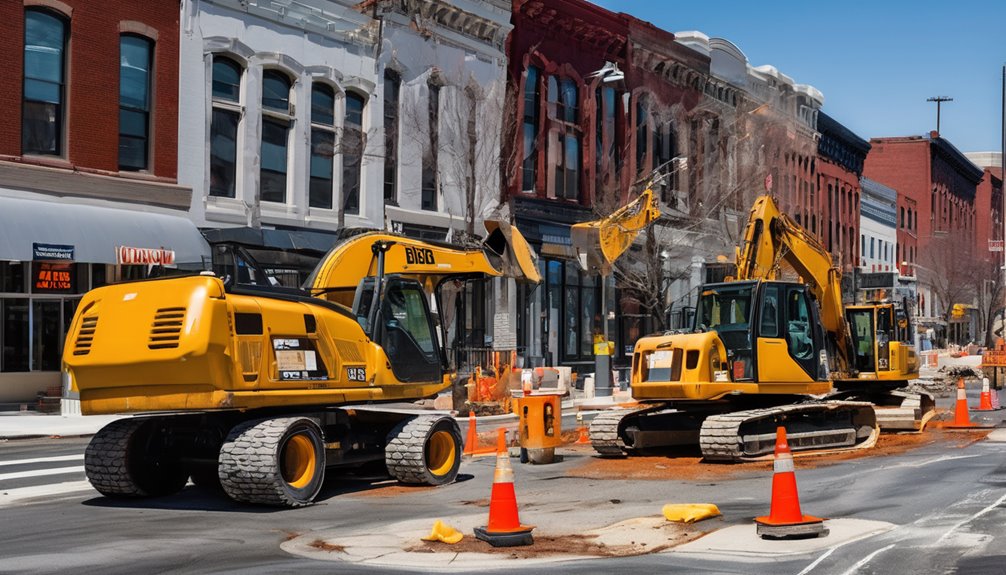
When you're looking to excavate streets in Bridgeport, it's essential to understand the licensing requirements set by the city.
You'll need to obtain a street excavation license from the Bridgeport Department of Public Utilities. This process involves submitting an application detailing your project, including its scope and location.
Make sure to provide proof of insurance and any necessary permits. It's crucial to check for any specific regulations related to the area you'll be working in, as different neighborhoods may have unique guidelines.
Additionally, be prepared for potential inspections during your project. By staying informed and following these requirements, you can ensure a smooth excavation process and avoid unnecessary fines or delays.
Understanding the Bonding Process
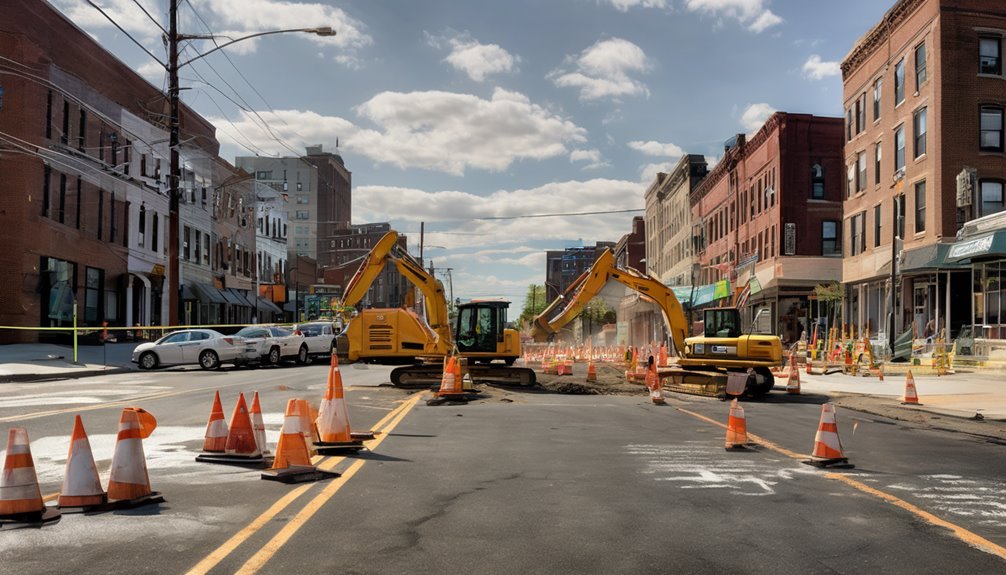
After securing your street excavation license, the next step is understanding the bonding process. This process ensures you're financially responsible for any potential damages or violations that may occur during your work.
Here's what you need to know:
- Bond Amount: Determine the required bond amount based on local regulations.
- Bond Type: Choose the appropriate bond type, which could be a performance bond or a license bond.
- Provider: Find a reputable bonding company that can issue your bond.
- Documentation: Gather necessary documentation, including financial statements and proof of insurance.
Understanding these key elements will help you navigate the bonding process smoothly and keep your excavation projects compliant with city regulations.
Types of Bonds Required for Street Excavating
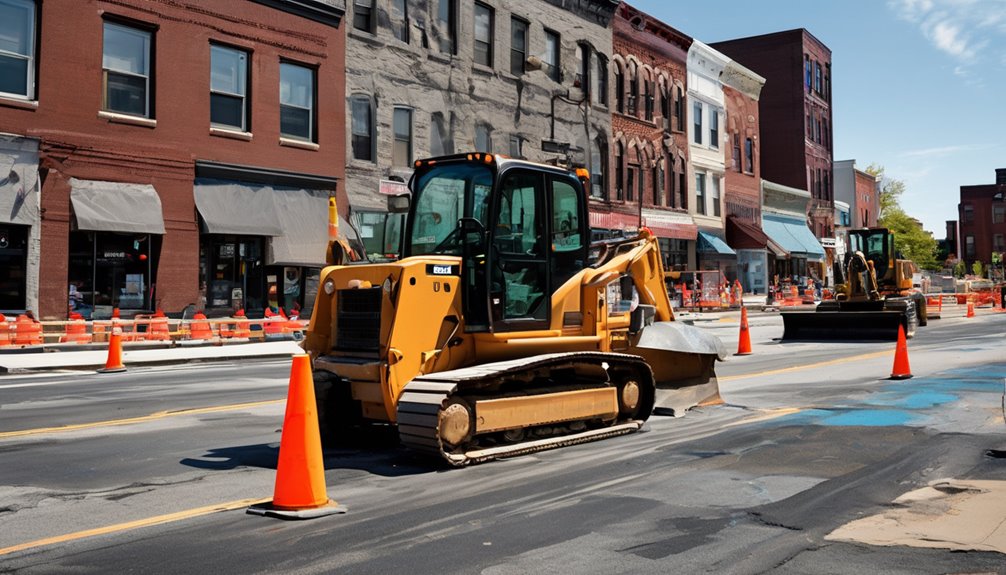
Understanding the types of bonds required for street excavating is crucial, as they protect both you and the city from potential liabilities.
Typically, you'll need a performance bond, which guarantees that you'll complete the work as agreed. If you fail to fulfill your obligations, the bond provides financial compensation to the city for any costs incurred.
Additionally, a maintenance bond may be necessary, ensuring that any repairs needed after the excavation are covered for a specific period.
These bonds not only demonstrate your financial responsibility but also instill trust with the city and residents.
Make sure you check the specific requirements for Bridgeport to ensure you're fully compliant before starting any excavation projects.
Curb and Walk Layers License Specifications

When you're looking to obtain a Curb and Walk Layers License, you'll need to understand the specific licensing requirements.
The application process includes several key steps that you can't overlook, and adhering to safety compliance regulations is crucial for your success.
Let's break down what you need to know to get started.
Licensing Requirements Overview
To ensure compliance with local regulations, you'll need to familiarize yourself with the licensing requirements for curb and walk layers in Bridgeport, Connecticut.
Here are the key specifications you should keep in mind:
- You must provide proof of completion of a recognized training program in curb and walk installation.
- A valid insurance policy covering liability for any damages must be submitted.
- You'll need to pass a background check to ensure safety and reliability.
- A minimum of two years of experience in similar work is typically required.
Application Process Steps
Once you've met the licensing requirements overviewed previously, you'll want to start the application process for your curb and walk layers license.
Begin by obtaining the application form from the City of Bridgeport's website or local office. Fill out the form completely, ensuring all required documents are attached, including proof of insurance and any certifications.
Next, submit your application along with the appropriate fee. After submission, the city will review your application, which may take a few weeks. Be prepared to respond to any additional requests for information.
Once approved, you'll receive your curb and walk layers license, allowing you to begin your work legally and safely in Bridgeport.
Safety Compliance Regulations
Safety compliance regulations for curb and walk layers licenses ensure that you adhere to necessary standards while working in Bridgeport.
Following these regulations not only protects you but also ensures the safety of the public.
Here's what you need to keep in mind:
- Always wear appropriate personal protective equipment (PPE).
- Ensure proper signage and barriers are in place to alert pedestrians and vehicles.
- Conduct regular equipment inspections to maintain safety and efficiency.
- Follow local environmental guidelines to minimize disruption during construction.
Application Process for Obtaining Licenses
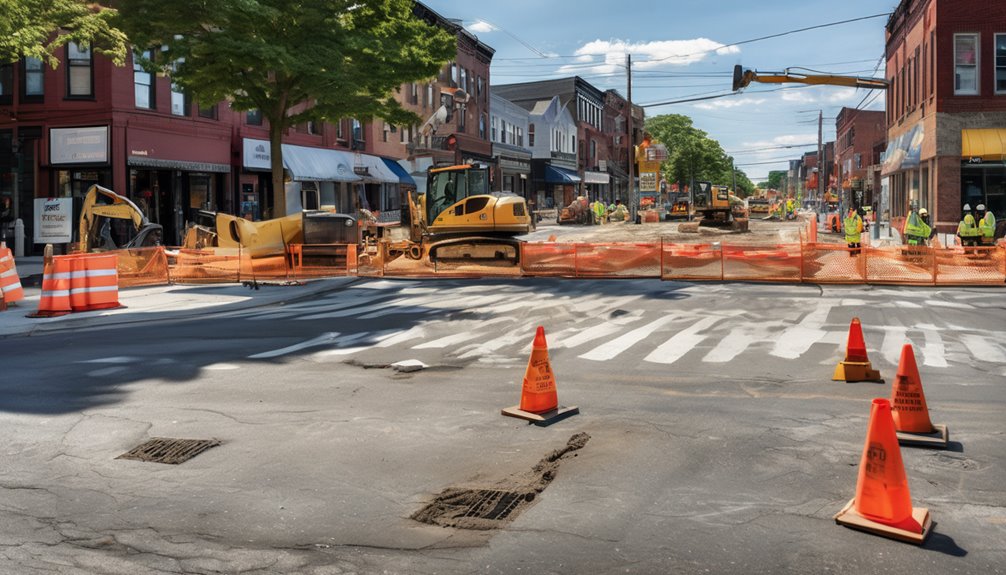
As you embark on the journey to obtain a street excavating license in Bridgeport, Connecticut, you'll need to follow a clearly defined application process.
First, gather all required documents, including proof of insurance and any necessary certifications.
Next, complete the application form available on the city's website or at the local office.
Once your application is filled out, submit it along with any required attachments to the appropriate city department.
Be prepared for a review process, during which the city may request additional information or clarifications.
After your application is approved, you'll receive instructions on how to proceed with the next steps.
Ensure you stay organized throughout this process to avoid delays in obtaining your license.
Fees Associated With Licensing and Bonding
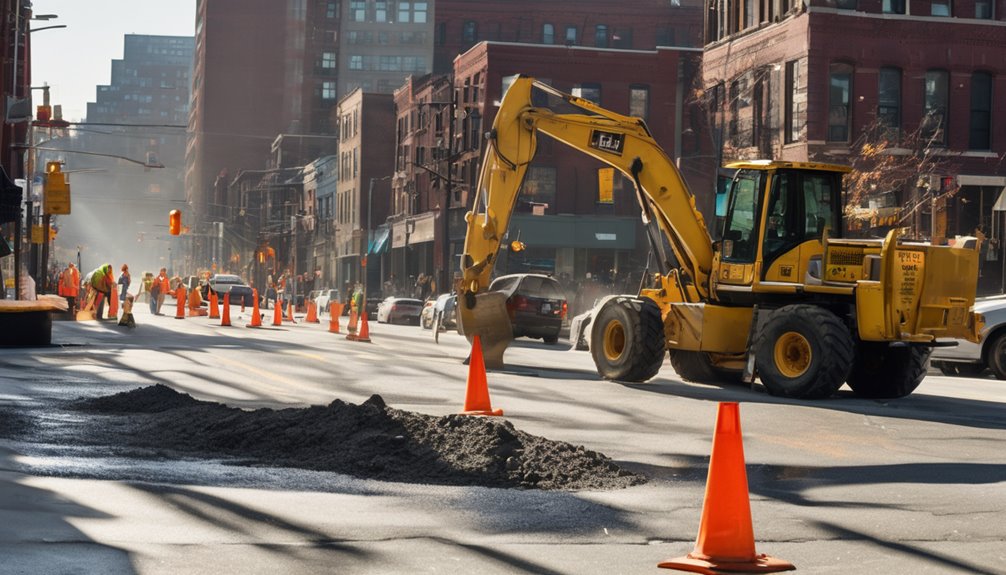
Understanding the fees associated with licensing and bonding is crucial for anyone looking to operate a street excavating business in Bridgeport, Connecticut.
These fees can vary based on the type of work you plan to do, so it's important to budget accordingly. Here are some key costs you should consider:
- License application fee: This is the initial fee you pay when submitting your application.
- Bonding fee: A fee associated with securing a bond, which protects the city and residents.
- Renewal fees: Fees incurred when renewing your license, usually annually.
- Inspection fees: Charges for city inspections to ensure compliance with local standards.
Importance of Compliance With Local Regulations
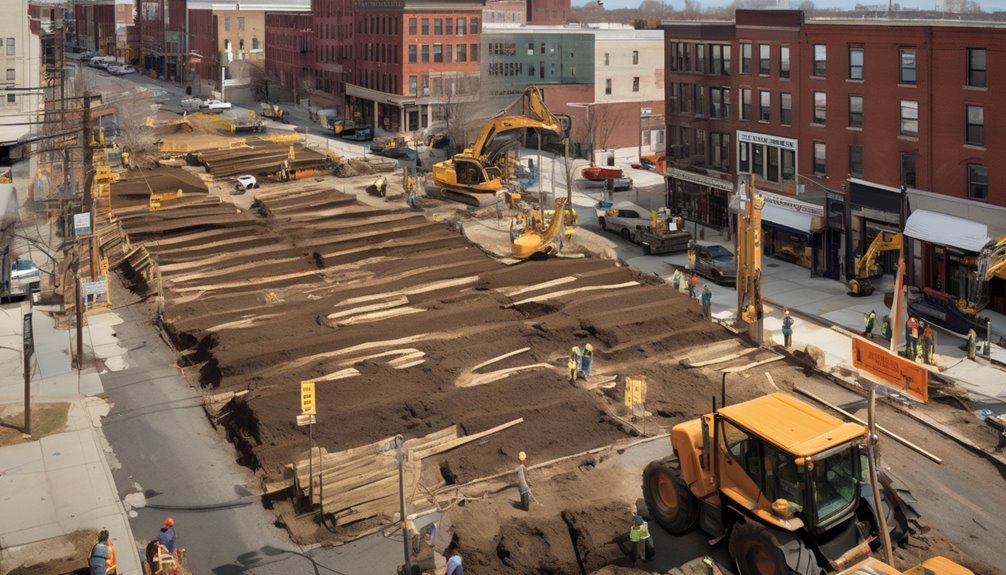
When you're working as a contractor in Bridgeport, understanding local regulations is crucial.
Not only do you have legal obligations to meet, but compliance also brings benefits like smoother operations and enhanced credibility.
Legal Obligations for Contractors
Complying with local regulations is crucial for contractors, as it not only ensures the safety and quality of their work but also protects them from potential legal issues.
Understanding your legal obligations helps you maintain your reputation and avoid costly fines. Here are key points to consider:
- Obtain the necessary permits before starting any project to avoid delays.
- Follow safety standards to protect workers and the public from accidents.
- Adhere to zoning laws to ensure your projects meet community guidelines.
- Maintain proper insurance coverage to safeguard against liability claims.
Benefits of Compliance
Compliance with local regulations offers significant advantages that can enhance your contracting business. By adhering to these rules, you build trust with clients and local authorities, showcasing your commitment to quality and safety. This not only boosts your reputation but can also lead to more job opportunities, as clients often prefer licensed contractors.
Moreover, compliance helps you avoid potential fines and legal issues that could arise from non-compliance, saving you both time and money. You'll find that obtaining necessary permits and licenses can streamline your project execution, allowing for smoother operations.
In the end, staying compliant not only protects your business but also contributes to the overall well-being of your community, making you a responsible and respected contractor.
Renewal and Maintenance of Licenses and Bonds

To ensure your street excavating license remains valid, you must regularly renew it and maintain the associated bonds. Staying proactive in these matters not only keeps your operations legal but also helps you avoid potential issues down the line.
Here are some key points to remember:
- Set reminders for renewal deadlines to avoid lapses in your license.
- Review bond requirements periodically to ensure they meet city regulations.
- Keep documentation organized to streamline the renewal process.
- Engage with local authorities for any updates or changes in policies.
Consequences of Non-Compliance
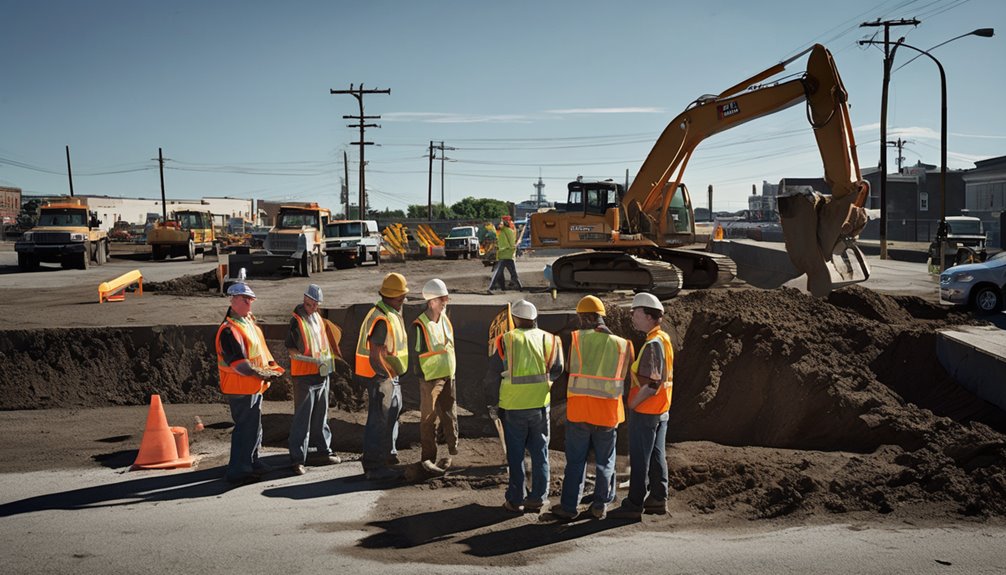
If you don't comply with the requirements for the street excavating license, you could face serious legal penalties and fines.
This non-compliance might also lead to costly project delays that can impact your budget.
Plus, you risk damaging your reputation in the industry, which can have long-term effects on your business.
Legal Penalties and Fines
Failing to adhere to the regulations surrounding street excavating in Bridgeport can lead to significant legal penalties and fines.
If you're caught non-compliant, you may face serious consequences that could impact your business.
Here's what you could encounter:
- Monetary Fines: Substantial fines can hit your budget hard.
- License Suspension: Your excavating license may be suspended or revoked, halting your operations.
- Legal Action: You might face lawsuits or legal proceedings from the city or affected parties.
- Reputational Damage: Non-compliance can tarnish your reputation, making it harder to secure future contracts.
It's crucial to follow local regulations to avoid these penalties and keep your business running smoothly.
Project Delays and Costs
Non-compliance with street excavating regulations in Bridgeport not only exposes you to fines and legal troubles but can also lead to significant project delays and increased costs.
When you don't follow the rules, you risk having your permits revoked or suspended, halting your work entirely. This disruption can push your project timeline back, forcing you to reschedule contracts and impacting your cash flow.
Furthermore, if you have to redo any work to meet compliance standards, you're looking at additional expenses. Delays can also frustrate clients and stakeholders, potentially leading to costly disputes.
Reputation Damage Risks
While it might seem like a minor oversight, neglecting street excavating regulations in Bridgeport can seriously harm your reputation.
When you're not compliant, you risk more than just fines; your credibility takes a hit. This can lead to lost business opportunities and trust issues with clients.
Here are some consequences you might face:
- Negative Word-of-Mouth: Clients may share their bad experiences, deterring potential customers.
- License Suspension: Non-compliance can lead to losing your license, halting your operations.
- Increased Scrutiny: Authorities may monitor you more closely, complicating future projects.
- Brand Damage: Your business image could suffer, making it hard to recover in a competitive market.
Stay compliant to safeguard your reputation and ensure long-term success.
Resources for Contractors in Bridgeport
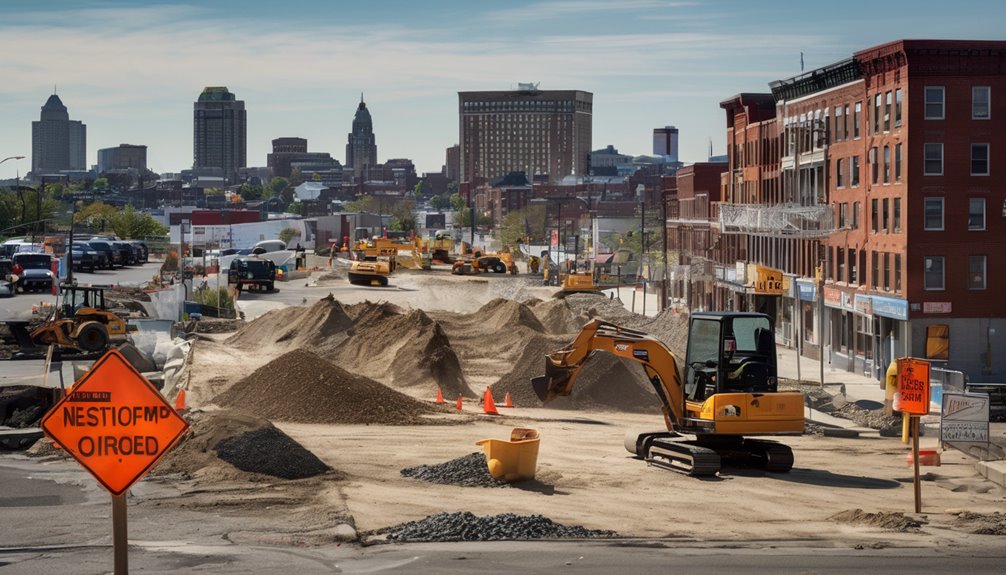
As a contractor in Bridgeport, you'll find a wealth of resources to help streamline your projects and ensure compliance with local regulations.
The City of Bridgeport's official website offers essential information on permits, licensing, and zoning requirements, which can save you time and effort.
Additionally, local trade associations provide networking opportunities, industry updates, and training programs to enhance your skills.
Consider joining forums or social media groups where you can connect with fellow contractors to share advice and experiences.
Don't forget to explore tools and software designed for project management, budgeting, and scheduling.
Frequently Asked Questions
What Documents Are Needed for the Application Process?
To apply, you'll need identification, proof of experience, and any relevant certifications. You might also require insurance documents and a completed application form. Make sure you gather everything before starting the process.
How Long Does the Licensing Process Take?
The licensing process typically takes several weeks, depending on your application's completeness and any required inspections. To expedite it, ensure you've submitted all necessary documents and promptly respond to any requests from the licensing authority.
Can Licenses Be Transferred Between Contractors?
Licenses typically can't be transferred between contractors. Each contractor must apply for their own license, ensuring they meet all requirements. It's important to check the specific regulations in your area for any exceptions.
Are There Specific Insurance Requirements for Contractors?
Yes, there're specific insurance requirements for contractors. You'll need liability insurance to protect against accidents, and sometimes workers' compensation is necessary if you have employees. Always check local regulations to ensure compliance with necessary coverage.
What Happens if My Bond Is Forfeited?
If your bond's forfeited, you'll likely face financial penalties and may struggle to secure future contracts. It's crucial to understand your obligations and rectify any issues promptly to avoid further complications in your work.
Conclusion
In Bridgeport, securing a bond for your Street Excavating or Curb and Walk Layers License is crucial for your business's success. By understanding the bonding process and adhering to local regulations, you can protect yourself and the city from liabilities. Staying compliant not only boosts your reputation but also ensures smooth project execution. Remember to renew your licenses and bonds on time to avoid any penalties. Utilize available resources to navigate this essential aspect of your contracting work.