If you're involved in excavation projects in Denver, understanding excavation bonds is crucial. These bonds ensure that you comply with local regulations and protect both your interests and the community's. But who exactly needs one, and what are the costs associated with obtaining it? Knowing the ins and outs can be the difference between a smooth project and potential setbacks. Let's explore this essential topic further.
What Is an Excavation Bond?
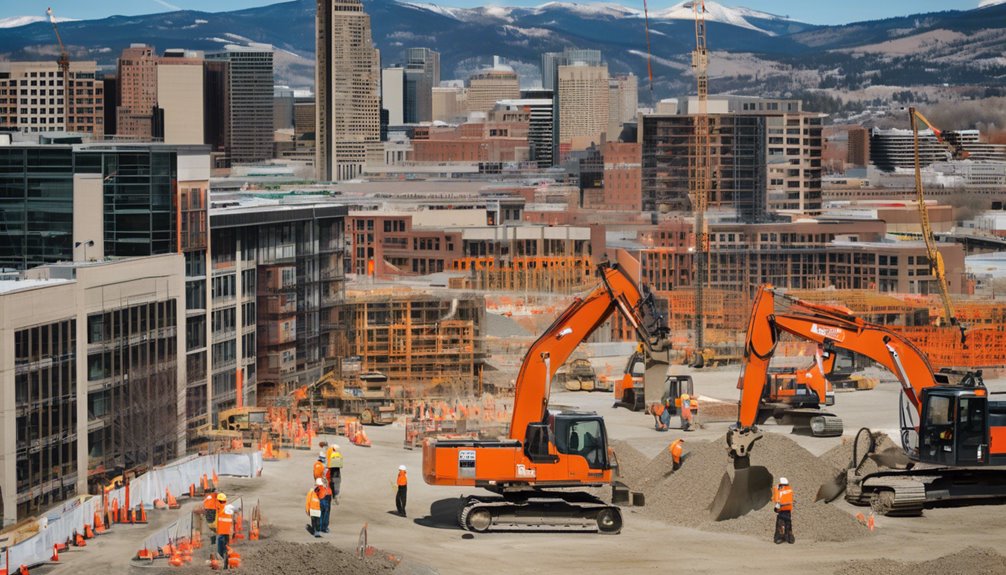
An excavation bond is a crucial financial tool that ensures compliance with local regulations during excavation projects.
It's essentially a contract between you, the contractor, and the local government, guaranteeing that you'll adhere to all applicable laws, codes, and safety standards.
If you fail to meet these obligations, the bond acts as a financial safety net for the city or county, covering any potential damages or violations.
You'll typically need to secure this bond before starting any excavation work, which helps protect both your interests and those of the community.
Importance of an Excavation Bond in Denver
Understanding the importance of an excavation bond in Denver is crucial for any construction project.
It not only ensures you're compliant with local laws but also helps you mitigate financial risks.
Legal Compliance Assurance
While navigating the complexities of construction projects in Denver, securing an excavation bond is crucial for ensuring legal compliance. This bond acts as a safeguard, confirming that you'll adhere to local regulations and standards throughout your excavation work. By obtaining it, you demonstrate your commitment to responsible practices, which not only protects the environment but also respects the rights of neighboring properties.
Moreover, having an excavation bond helps you avoid potential legal disputes and fines that can arise from non-compliance. It can also be a requirement for obtaining necessary permits, streamlining your project timeline.
In essence, an excavation bond is more than just a formality; it's a vital tool for maintaining compliance and fostering trust within the community.
Financial Risk Mitigation
Securing an excavation bond in Denver not only ensures compliance but also significantly mitigates financial risks associated with construction projects.
With an excavation bond in place, you protect yourself from potential liabilities that may arise during the excavation process, such as property damage or injuries. If something goes wrong, the bond provides financial coverage, reducing the chances of substantial out-of-pocket expenses.
This safety net can give you peace of mind, allowing you to focus on project execution instead of worrying about unforeseen costs. Plus, having a bond can enhance your reputation, showing clients and partners that you're committed to responsible practices.
Ultimately, an excavation bond is a smart investment that safeguards your finances and strengthens your project's foundation.
Who Needs an Excavation Bond?
Who really needs an excavation bond in Denver?
If you're a contractor or subcontractor planning to dig or excavate on public or private property, you'll likely need one. This bond protects property owners and the city from potential financial losses due to damages or failures in the excavation process.
Additionally, if you're a developer or a business planning construction in Denver, securing an excavation bond is crucial to comply with local regulations.
Even utility companies performing excavation work must obtain this bond to ensure they meet safety and environmental standards.
Ultimately, if you're involved in any excavation project in Denver, getting an excavation bond isn't just a good idea—it's often a requirement.
Types of Excavation Bonds

Excavation bonds come in various types, each tailored to meet specific project needs and regulatory requirements. The most common types include performance bonds, which guarantee that the work will be completed according to the contract.
There are also maintenance bonds, ensuring that any necessary repairs will be made after the project's completion. Additionally, you'll find permit bonds, which are required to secure compliance with local regulations.
Some projects may require a subdivision bond, covering infrastructure in new developments. Each bond type serves a unique purpose, so it's crucial to choose the right one for your excavation project.
Understanding these options will help you navigate the bonding process more effectively, ensuring compliance and project success.
Requirements for Obtaining an Excavation Bond
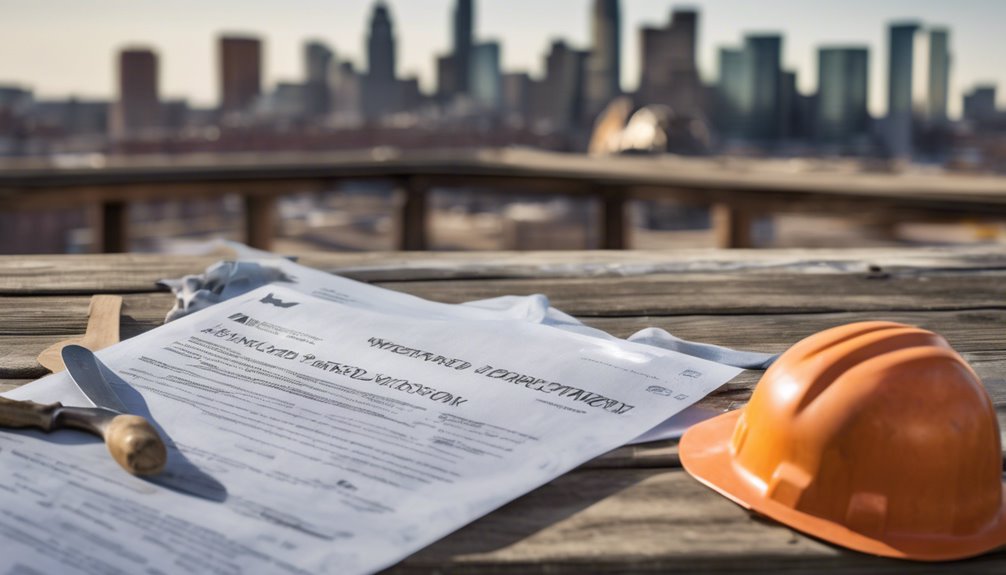
Before you can obtain an excavation bond, you'll need to meet certain requirements set by local authorities and bonding companies.
First, you'll need to provide proof of your business's legitimacy, such as a license or registration.
It's also essential to demonstrate financial stability; bonding companies often require financial statements or credit history.
Additionally, you might need to show proof of insurance, including general liability coverage.
Some bonding companies may ask for a personal guarantee, especially if your business is new.
Lastly, be prepared to pay a premium for the bond, which varies based on the project's size and risk.
Meeting these criteria will streamline your path to obtaining your excavation bond.
The Application Process for an Excavation Bond
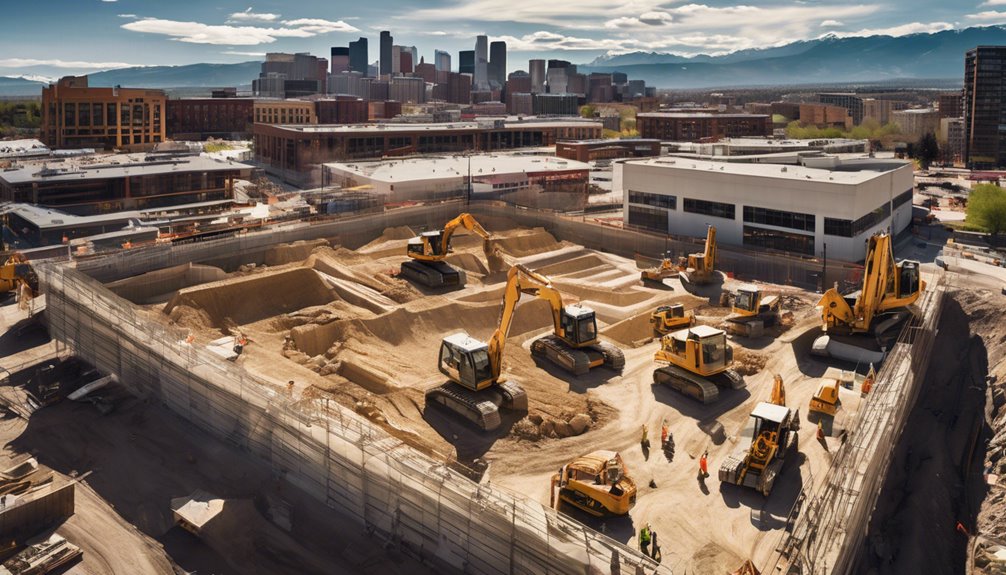
When you're ready to apply for an excavation bond, you'll need to gather specific documentation first.
Understanding the application submission steps will help streamline the process.
Let's break down what you need and how to get it done efficiently.
Required Documentation Overview
Obtaining an excavation bond in Denver requires careful attention to the necessary documentation, which can streamline your application process.
You'll need to prepare several key documents to ensure everything runs smoothly. First, gather your proof of insurance, which should meet the city's requirements.
Next, provide a copy of your contractor's license, confirming your qualifications to perform excavation work. Additionally, have a completed application form ready, detailing your project specifics.
If applicable, include any permits from other agencies related to your excavation. Lastly, be prepared to submit financial statements or other documentation that demonstrate your ability to cover potential liabilities.
These steps will help you present a strong application for your excavation bond.
Application Submission Steps
To successfully submit your application for an excavation bond in Denver, follow these essential steps.
First, gather all required documentation, including your project plans and proof of insurance.
Next, complete the application form accurately, ensuring all fields are filled in.
After that, calculate the bond amount based on your project's scope and include the payment.
Once you've prepared everything, submit your application along with the required fees to the designated city office.
Don't forget to double-check your submission for any missing information or errors.
Finally, wait for confirmation from the city, and be ready to address any questions they might have.
With these steps, you'll be on your way to securing your excavation bond efficiently.
Costs Associated With Excavation Bonds
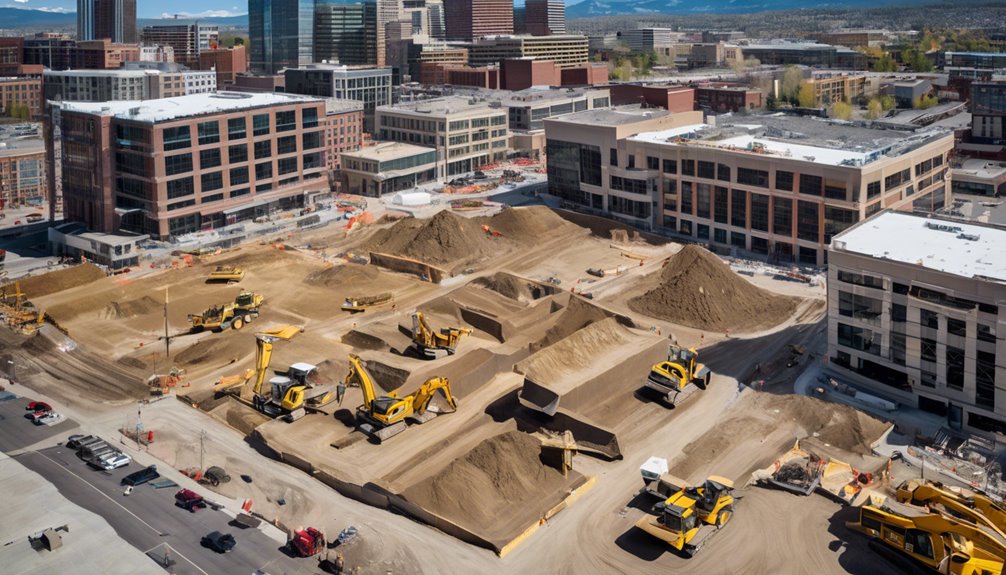
Excavation bonds come with a variety of costs that you should consider before starting your project.
First, there's the premium you'll pay for the bond itself, which typically ranges from 1% to 3% of the bond amount. This can add up, especially for larger projects.
You might also face administrative fees from the issuing agency or any additional paperwork required.
Don't forget about potential costs for inspections or compliance checks, which can vary depending on your location and project specifics.
Lastly, plan for any unforeseen expenses that may arise during the bonding process.
Common Mistakes to Avoid When Applying
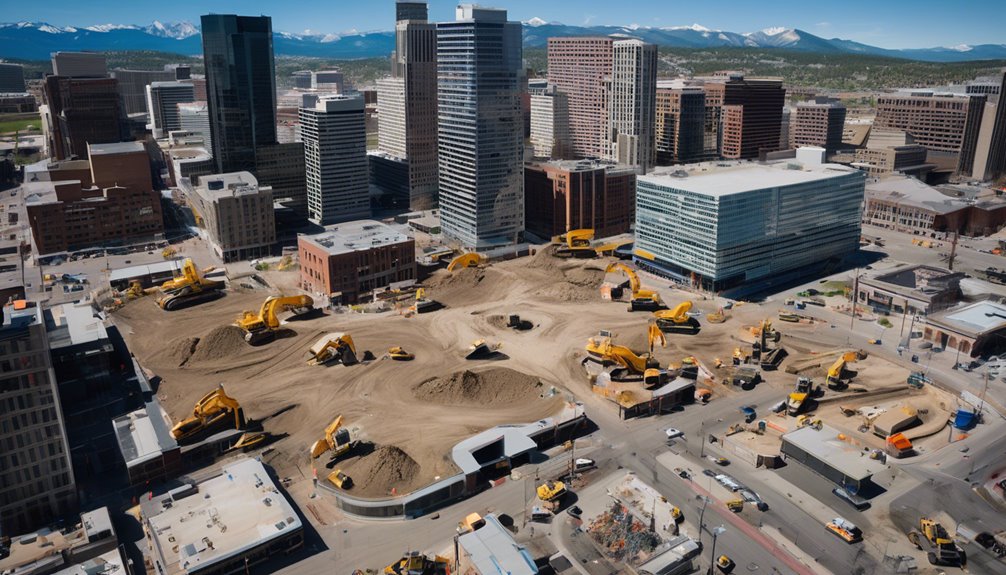
When applying for an excavation bond, it's easy to overlook important details that can lead to delays or rejections. One common mistake is providing incomplete or inaccurate information. Double-check your application to ensure all sections are filled out correctly.
Another pitfall is neglecting to gather necessary documentation; missing permits or licenses can derail your process. Don't underestimate the importance of understanding the bond amount required; apply for the correct coverage to avoid complications.
Additionally, be mindful of deadlines—submitting your application late can result in penalties. Lastly, remember to review the bond terms thoroughly; assuming you know the requirements can cost you.
Take your time, and you'll improve your chances of a smooth application process.
Maintaining Compliance With Bond Requirements

Maintaining compliance with bond requirements is vital for ensuring your excavation projects run smoothly. To achieve this, you need to stay informed about local regulations and bond terms.
Regularly review your bond documentation to understand your obligations, including deadlines for submitting necessary paperwork.
Communicate openly with your bonding company and local authorities, addressing any concerns immediately. It's also crucial to complete your projects according to the specifications outlined in your bond; any deviations can lead to penalties or bond forfeiture.
Lastly, keep accurate records of your excavation activities and any correspondence related to your bond. By staying organized and proactive, you'll not only maintain compliance but also build a solid reputation within the community for responsible project management.
Resources for Further Information on Excavation Bonds
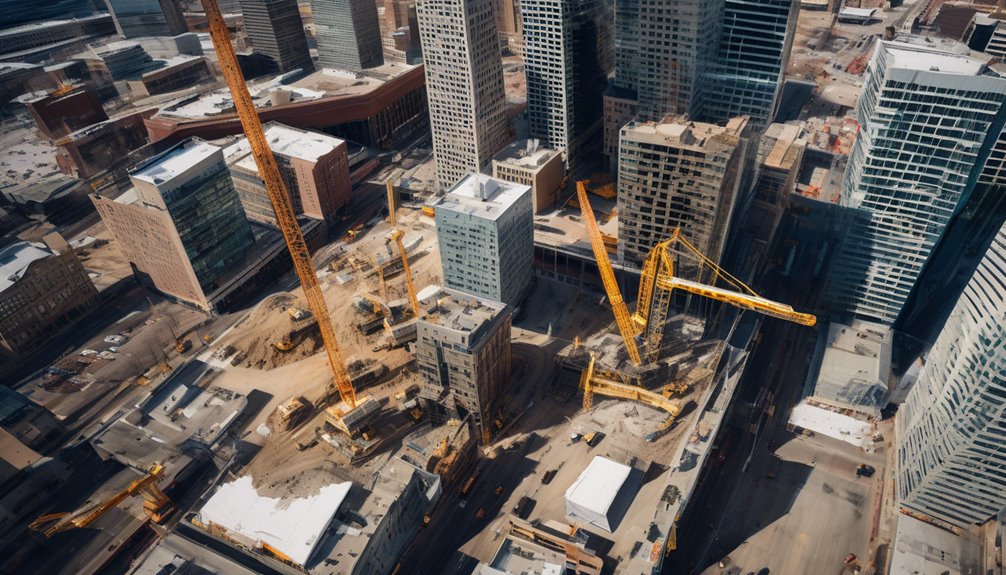
When you're ready to tackle the excavation bond process, knowing where to find information is key.
You'll want to look into the bond application process, required documentation, and any associated payments and fees.
This understanding will help you navigate the requirements smoothly and avoid any surprises along the way.
Bond Application Process
To successfully navigate the bond application process for excavation in Denver, you'll want to gather the necessary documentation and understand the specific requirements set by the city.
Start by familiarizing yourself with the bond amount needed for your project, as this can vary based on the scope of work.
Next, you'll need to identify the appropriate bonding company that meets city regulations.
Once you have your bond in place, submit your application along with any required fees to the city's relevant department.
Be prepared for a review period, during which the city may request additional information.
Staying organized and proactive will help you ensure a smooth application experience, allowing you to focus on your excavation project without unnecessary delays.
Required Documentation
Gathering the right documentation is crucial for a smooth excavation bond application in Denver.
You'll need to provide proof of your identity, which can be a driver's license or other government-issued ID. Next, include detailed plans for your excavation project, including site maps and any relevant permits.
It's also important to have a copy of your contractor's license if applicable. If you're working with a surety company, obtain a letter of guarantee.
You might also need to gather evidence of your financial stability, such as bank statements or credit reports. Finally, check for any additional local requirements specific to your project.
Having all this documentation ready can streamline the process and prevent delays.
Payment and Fees
Understanding the financial aspects of an excavation bond is key to planning your project effectively.
When you're applying for an excavation bond in Denver, you'll encounter various fees. These may include the bond premium, which is typically a percentage of the total bond amount, and additional processing fees that the city may charge.
It's crucial to budget for these costs upfront to avoid surprises later. Additionally, keep in mind that some bonds might require collateral or a cash deposit.
Ensure you review the specific payment terms and conditions associated with your bond. For more detailed information, you can consult local regulations or reach out to the Denver city office handling excavation permits.
Frequently Asked Questions
How Long Does an Excavation Bond Typically Last?
An excavation bond typically lasts one to three years, depending on local regulations. You should check the specific requirements for your area, as terms can vary, impacting the duration and conditions of the bond.
Can I Transfer My Excavation Bond to Another Project?
You can't typically transfer your excavation bond to another project. Bonds are usually specific to a site or job. It's best to check with your bonding company for options regarding changes or new projects.
What Happens if I Don't Obtain an Excavation Bond?
If you don't obtain an excavation bond, you could face fines or legal issues. Additionally, your project might get delayed or halted, and you'll miss out on securing necessary permits for your excavation work.
Are There Penalties for Non-Compliance With Bond Requirements?
Yes, there are penalties for non-compliance with bond requirements. You could face fines, legal action, or project delays. It's crucial to adhere to these regulations to avoid complications and ensure your project progresses smoothly.
Can Homeowners Apply for an Excavation Bond Themselves?
Yes, you can apply for an excavation bond yourself, but it's important to understand the specific requirements and processes involved. Make sure you gather all necessary documents and meet the qualifications before applying.
Conclusion
In conclusion, obtaining an excavation bond is essential for anyone involved in excavation projects in Denver. It not only ensures compliance with local regulations but also protects you and the community from potential risks. By understanding the requirements and costs associated with these bonds, you can avoid common pitfalls and maintain compliance. So, take the necessary steps to secure your excavation bond, and demonstrate your commitment to responsible and safe excavation practices in the City and County of Denver.