Get an Instant Quote on Building Wrecker – Compliance Only License Bond Now!

If you’re looking to operate as a building wrecker in Chicago Heights, you need to grasp the importance of compliance, especially regarding license bonds. These bonds not only protect the city and its residents but also ensure that you’re following state laws and local codes. Understanding the requirements can be daunting, but it’s crucial for your business’s success and reputation. So, what steps do you need to take to secure that bond?
Understanding the Role of a Building Wrecker in Chicago Heights
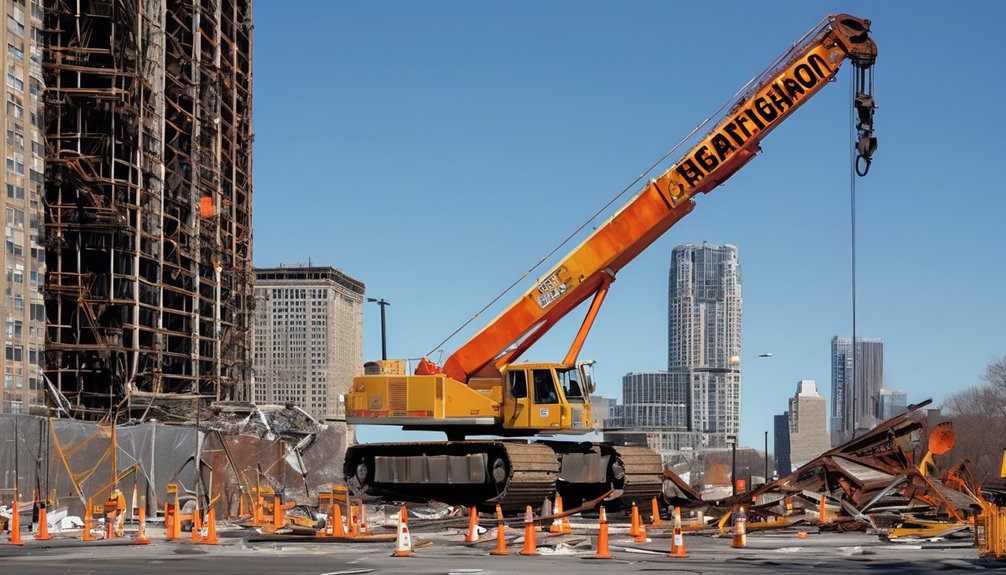
When you think about urban development in Chicago Heights, the role of a building wrecker often comes to mind, as they play a crucial part in the demolition process.
Building wreckers aren’t just about tearing down structures; they carefully assess buildings for hazardous materials, ensuring safety throughout the demolition. They collaborate closely with city officials and engineers to develop a plan that minimizes environmental impact and maximizes efficiency.
With heavy machinery and skilled labor, they execute demolitions that pave the way for new developments. By adhering to regulations, they help maintain community standards and public safety.
Ultimately, building wreckers are essential in transforming urban landscapes, facilitating growth, and reshaping neighborhoods in Chicago Heights.
License Bond Requirements for Building Wreckers
To operate as a building wrecker in Chicago Heights, you must meet specific license bond requirements that ensure compliance with local regulations.
First, you’ll need a surety bond that guarantees your adherence to state laws and municipal codes. This bond protects the city and its residents by covering any potential damages or violations that may arise during your wrecking activities.
Typically, the bond amount will vary based on the scope of your work, so be sure to check the exact figures before proceeding.
You’ll also need to provide proof of insurance, which further safeguards against liabilities.
Meeting these requirements not only helps you operate legally but also builds trust within the community and protects your business interests.
Application Process for Obtaining a License Bond
Obtaining a license bond for building wrecking in Chicago Heights involves a straightforward application process.
First, you’ll need to gather the required documentation, including proof of insurance and any necessary permits.
Next, complete the application form provided by the city or the bonding company. You’ll often need to provide personal and business information, as well as details about your wrecking operations.
After submitting your application, you’ll pay the required fee. The bonding company will then review your application, conduct a background check, and assess your financial stability.
Once approved, you’ll receive your license bond, allowing you to operate legally.
Make sure to keep your bond up to date to avoid any compliance issues in the future.
Compliance Obligations for Building Wreckers
As a building wrecker in Chicago Heights, you need to understand your compliance obligations to operate legally and safely.
This includes meeting licensing requirements, adhering to safety regulations, and considering the environmental impacts of your work.
Let’s break down these key areas to ensure you stay on the right side of the law.
Licensing Requirements Overview
Before you can begin any demolition work in Chicago Heights, it’s crucial to understand the licensing requirements that govern building wreckers.
You’ll need to obtain a specific building wrecking license from the city. This involves submitting an application that includes details about your business, your qualifications, and any relevant experience in demolition.
Additionally, you must provide proof of liability insurance and a license bond to protect against potential damages during the wrecking process.
Familiarize yourself with local ordinances, as they may include additional stipulations that you must follow.
Remember, compliance with these regulations not only ensures your legal standing but also promotes safety and professionalism in your demolition projects.
Don’t overlook these essential steps before starting your work.
Safety Regulations Compliance
Once you’ve secured your building wrecking license, your next focus should be on adhering to safety regulations that govern demolition work.
You must understand and comply with the Occupational Safety and Health Administration (OSHA) standards, as these guidelines ensure a safe working environment.
Make sure your crew is trained in proper safety protocols, including the use of personal protective equipment (PPE).
Regularly inspect your equipment and worksite to identify and mitigate hazards.
It’s crucial to establish clear communication among your team, especially during demolition activities.
Keep emergency procedures in place and conduct drills to prepare your crew for unexpected situations.
Environmental Impact Considerations
Understanding the environmental impact of your demolition work is essential, especially since compliance obligations are becoming increasingly stringent.
You need to assess how your activities affect air quality, water sources, and local ecosystems. Properly managing hazardous materials, like asbestos and lead, is crucial to prevent contamination.
You should also implement waste management strategies, ensuring recyclable materials are separated and disposed of responsibly.
Engaging with local environmental agencies can provide valuable guidance on best practices.
Insurance Requirements and Considerations
When you’re operating as a building wrecker in Chicago Heights, understanding insurance requirements is crucial.
You’ll need to ensure you have minimum coverage for liability and workers’ compensation, along with any necessary bonding.
Let’s break down what you need to cover your bases and stay compliant.
Minimum Insurance Coverage Needed
While navigating the regulations for building wreckers in Chicago Heights, it’s crucial to know the minimum insurance coverage required. This coverage protects both you and your business while working on demolition projects.
Here are the key insurance types you’ll need:
- General Liability Insurance: This covers damages or injuries that might occur during your wrecking operations, ensuring you’re protected from lawsuits.
- Commercial Auto Insurance: If you use vehicles for your work, this insurance provides coverage for accidents involving those vehicles, safeguarding your assets.
- Equipment Insurance: This protects your tools and machinery against theft or damage, ensuring you can continue your work without major financial setbacks.
Make sure you meet these requirements to operate legally and securely in Chicago Heights.
Liability and Workers’ Compensation
Liability and workers’ compensation insurance are essential for any building wrecker in Chicago Heights.
You’ll need liability insurance to protect yourself from potential lawsuits due to property damage or bodily injury that may occur during demolition. This coverage safeguards your assets and ensures compliance with local regulations.
Additionally, workers’ compensation insurance is crucial for covering medical expenses and lost wages if an employee gets injured on the job. Without it, you risk facing severe financial consequences.
Make sure you understand the specific insurance requirements set by the city to avoid penalties. Always consult with an insurance professional to tailor your coverage needs based on the unique risks associated with your demolition projects.
Your peace of mind depends on it!
Bonding Requirements Overview
In addition to liability and workers’ compensation insurance, understanding bonding requirements is vital for building wreckers in Chicago Heights.
Bonds serve as a financial safeguard for clients and the city, ensuring that you adhere to regulations and complete jobs as promised. Here are three key bonding requirements you should consider:
- License Bond: This guarantees that you’ll comply with local laws and regulations.
- Performance Bond: It protects clients from financial loss if you fail to fulfill the contract.
- Payment Bond: This ensures that subcontractors and suppliers get paid, preventing liens against property.
Meeting these bonding requirements not only builds trust with clients but also enhances your reputation in the industry.
Don’t overlook this crucial aspect of your business!
Common Challenges and Solutions in the Wrecking Industry
Navigating the wrecking industry in Chicago Heights comes with its share of challenges, as contractors often face regulatory hurdles and safety concerns.
To tackle these issues, you should focus on developing a robust compliance plan. This includes staying informed about local laws and ensuring all necessary permits are secured before beginning any demolition work.
Additionally, prioritize safety training for your crew. Regular workshops can help minimize accidents and enhance team awareness.
Investing in modern equipment can also mitigate risks associated with older machinery.
Finally, build strong relationships with local authorities and community stakeholders. Open communication can pave the way for smoother operations and foster trust.
Staying Updated on Local Regulations and Changes
To ensure your wrecking business remains compliant, it’s crucial to stay informed about local regulations and any changes that may arise. Regularly updating yourself can save you from costly fines and legal issues.
Here are three effective strategies to keep you in the loop:
- Subscribe to Local News: Follow local news outlets and trade publications for updates on regulations affecting the wrecking industry.
- Join Industry Associations: Becoming a member of relevant associations can provide access to resources, networking opportunities, and information on regulatory changes.
- Attend Workshops and Seminars: Participating in local workshops and seminars allows you to learn directly from experts and stay up-to-date on compliance standards.
Frequently Asked Questions
What Is the Cost of Obtaining a License Bond?
The cost of obtaining a license bond typically varies based on your credit score and the bond amount required. You’ll want to shop around and compare rates from different surety bond providers for the best deal.
How Long Does It Take to Process the Application?
The processing time for your application can vary, but it typically takes a few days to a couple of weeks, depending on the specific requirements and the volume of applications being handled at that time.
Are There Any Exemptions for Small-Scale Wrecking Projects?
You’ll find that small-scale wrecking projects often have specific exemptions based on local regulations. It’s crucial to check with your local authority to see if your project qualifies for any exemptions before proceeding.
Can a License Bond Be Transferred Between Contractors?
No, a license bond can’t be transferred between contractors. Each contractor needs their own bond to ensure compliance with regulations and protect against potential liabilities. You’ll have to obtain a new bond for your project.
What Penalties Exist for Non-Compliance With Regulations?
If you don’t comply with regulations, you could face penalties like fines, license suspension, or even legal action. It’s crucial to stay updated on requirements to avoid these consequences and maintain your business’s good standing.
Conclusion
In conclusion, navigating the compliance landscape as a building wrecker in Chicago Heights is crucial for your success. By securing a license bond and adhering to insurance requirements, you not only protect yourself but also build trust within the community. Staying informed about local regulations will help you avoid common pitfalls and ensure smooth operations. Embrace these practices, and you’ll foster strong relationships with local authorities while maintaining a reputable business in the demolition industry.