If you're considering a career in landscape irrigation in Rockford, Illinois, you'll need to obtain a Compliance Only Contractor License. This license isn't just a formality; it ensures you're operating within local regulations and maintaining high industry standards. Understanding the eligibility requirements and application process can seem daunting at first. However, the benefits for your business and the environment are significant. Let's explore what you need to get started.
Overview of the Compliance Only Contractor License
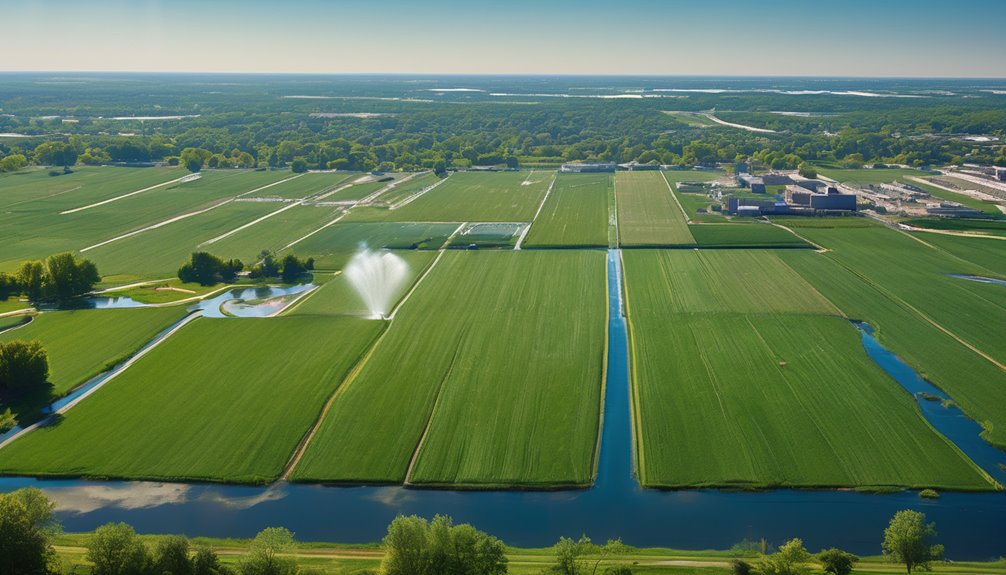
When you're navigating the world of landscape irrigation, understanding the Compliance Only Contractor License is crucial. This license allows you to operate legally, ensuring your work meets local regulations and standards.
It emphasizes compliance with safety and environmental guidelines, making it essential for maintaining the integrity of your projects. With this license, you'll be recognized as a professional, enhancing your credibility in the industry.
It also helps protect you from potential fines or legal issues that could arise from non-compliance. By acquiring this license, you're not just fulfilling a requirement; you're committing to quality and responsibility in your irrigation practices.
It's a step that not only benefits you but also your clients and the community as a whole.
Eligibility Requirements for Landscape Irrigators

To become a licensed landscape irrigator, you need to understand the application process and meet specific training requirements.
You'll have to submit various documents and show proof of your certifications.
It's crucial to ensure you meet these eligibility standards before applying for your license.
Licensing Application Process
Before you can start your journey as a landscape irrigator, you need to understand the eligibility requirements for obtaining a contractor license. First, you must be at least 18 years old and possess a valid government-issued ID.
Next, you'll need to show proof of liability insurance and worker's compensation coverage, ensuring you're covered in case of accidents.
It's also essential to provide a detailed description of your experience in landscape irrigation, highlighting any past projects or relevant work history.
Additionally, applicants must pass a background check to confirm they meet local regulations.
Make sure to gather all necessary documents before submitting your application to streamline the process and avoid delays.
Completing these steps sets the foundation for your future in this field.
Required Training Certifications
Alongside the licensing application, obtaining the necessary training certifications is vital for landscape irrigators.
You'll need to complete specific courses that cover essential topics, such as irrigation system design, installation, and maintenance. These courses ensure you're knowledgeable about local regulations and best practices in water conservation.
Typically, you'll find certifications offered by recognized organizations, which can enhance your credibility and skills in the field. It's important to stay updated, so consider attending workshops or seminars regularly.
Additionally, some employers may prefer or even require certain certifications, making them an asset for your career.
Application Process for the License and Permit

Now that you know the eligibility requirements, it's time to tackle the application process for your landscape irrigator contractor license and permit.
You'll need to understand the submission steps and gather the required documentation.
Let's break down what you need to do to get started.
Eligibility Requirements Overview
To obtain a landscape irrigator contractor license and permit, you must meet specific eligibility requirements that vary by jurisdiction.
First, you'll need to provide proof of relevant experience or training in landscape irrigation. This often includes having a certain number of hours working under a licensed contractor.
Additionally, you may need to demonstrate knowledge of local regulations and best practices in irrigation. A background check might also be required to ensure you have no disqualifying criminal history.
Lastly, you should possess valid liability insurance to protect against potential damages during your work. Meeting these eligibility criteria is crucial before you move forward in the application process for the license and permit.
Application Submission Steps
Once you've confirmed you meet the eligibility requirements, it's time to start the application process for your landscape irrigator contractor license and permit.
First, you'll need to gather all necessary information, including your personal details and business information.
Next, fill out the application form accurately, ensuring you double-check for any errors.
Then, submit your completed application along with the required fees to the appropriate city department.
After submission, keep an eye on your application's status, as you may need to provide additional information or attend an interview.
Finally, once approved, you'll receive your license and permit, allowing you to operate legally as a landscape irrigator in Rockford.
Good luck!
Required Documentation Checklist
When applying for your landscape irrigator contractor license and permit, you'll need to prepare a checklist of required documentation.
First, gather a completed application form, which you can find on the city's website. Next, include proof of your qualifications, such as certifications or training in irrigation systems.
You'll also need to provide a copy of your liability insurance policy, ensuring it meets the city's minimum coverage requirements. Additionally, prepare a current business license and any relevant permits.
Don't forget to include your identification, such as a driver's license or state ID. Finally, be ready to pay the application fee, which you'll find listed on the city's official site.
Keep this checklist handy to streamline your application process.
Required Documentation for Submission

Before you submit your application for a landscape irrigator contractor license, you'll need to gather several key documents. Having these ready can speed up the process and ensure you meet all requirements.
Here's what you'll need:
- A completed application form
- Proof of liability insurance
- A copy of your Illinois business registration
- Documentation of any relevant certifications or training
Make sure each document is up-to-date and accurately reflects your qualifications.
Double-check that you've included everything on this list to avoid delays in your application.
Once you have all the required documentation, you'll be ready to move forward with your licensing process and start your journey as a licensed landscape irrigator in Rockford.
Fees Associated With the License and Permit

Understanding the fees associated with obtaining a landscape irrigator contractor license is crucial for budgeting your expenses effectively.
In Rockford, Illinois, you'll encounter several costs. First, there's the application fee, which typically ranges from $100 to $200. You may also need to pay for background checks or additional documentation, which could add another $50 to $100.
Additionally, if you require insurance or bonding, those fees can vary significantly based on your coverage.
Finally, consider ongoing renewal fees, which are usually charged annually and can range from $50 to $150.
Benefits of Obtaining Compliance for Your Business

Obtaining compliance for your landscape irrigation business brings numerous advantages that extend beyond mere legal requirements.
By ensuring you meet all necessary regulations, you not only protect your business but also enhance your reputation.
Here are some key benefits:
- Increased Credibility: Clients trust businesses that adhere to legal standards.
- Competitive Edge: Standing out as a compliant contractor can attract more customers.
- Reduced Liability: Compliance minimizes the risk of fines or legal issues.
- Access to Opportunities: Many contracts require proof of compliance, opening doors to new projects.
Environmental Impact and Sustainability Considerations

As you navigate the landscape irrigation industry, considering the environmental impact and sustainability of your practices is crucial. Implementing efficient irrigation systems not only conserves water but also reduces runoff and minimizes chemical use.
By choosing native plants, you encourage biodiversity and create resilient landscapes that require less maintenance.
Using smart technology, like moisture sensors and timers, helps optimize water usage, ensuring you only water when necessary. Additionally, educating your clients about sustainable practices fosters a collective responsibility toward environmental stewardship.
Incorporating rainwater harvesting and permeable surfaces can further enhance sustainability, reducing strain on local water resources.
Ultimately, prioritizing environmental considerations not only benefits the planet but also positions your business as a leader in responsible landscape irrigation.
Frequently Asked Questions
How Often Do I Need to Renew My Compliance License?
You'll need to renew your compliance license regularly, typically every one to three years, depending on local regulations. Keep track of your expiration date to ensure you maintain your active status and avoid penalties.
Can I Work on Commercial Projects With This License?
You can't work on commercial projects with just a compliance license. That license limits your scope to residential or specific tasks, so you'll need to look into additional licensing for commercial work opportunities.
What Penalties Exist for Operating Without the License?
Operating without the required license can lead to fines, legal action, or project shutdowns. You risk damaging your reputation and facing additional penalties if caught, so it's crucial to ensure you're properly licensed before starting any work.
Are There Any Exemptions for Small Businesses?
You might find some exemptions for small businesses, depending on local regulations. It's essential to check specific criteria and requirements, as these can vary significantly, potentially affecting your operations and compliance obligations.
Can I Transfer My License to Another Contractor?
You can't simply transfer your license to another contractor. Instead, you'll need to follow your local regulations and possibly reapply or have the new contractor obtain their own license to ensure compliance with industry standards.
Conclusion
In conclusion, obtaining a Compliance Only Contractor License for landscape irrigation in Rockford not only ensures you're operating legally but also enhances your business's credibility. By meeting the eligibility requirements and following the application process, you can safeguard your operations and contribute to sustainable practices in the community. Don't overlook the benefits—this license can set you apart and help you thrive in the competitive landscaping industry while promoting environmental responsibility.