If you're considering taking on minor construction projects in Rockford, Illinois, a Compliance-Only Contractor License might be just what you need. This license allows you to perform specific tasks without the full contractor's license requirements. However, there are eligibility criteria and permits to navigate. Understanding these elements can set you up for success. So, what do you need to know to get started?
Overview of Compliance-Only Contractor License
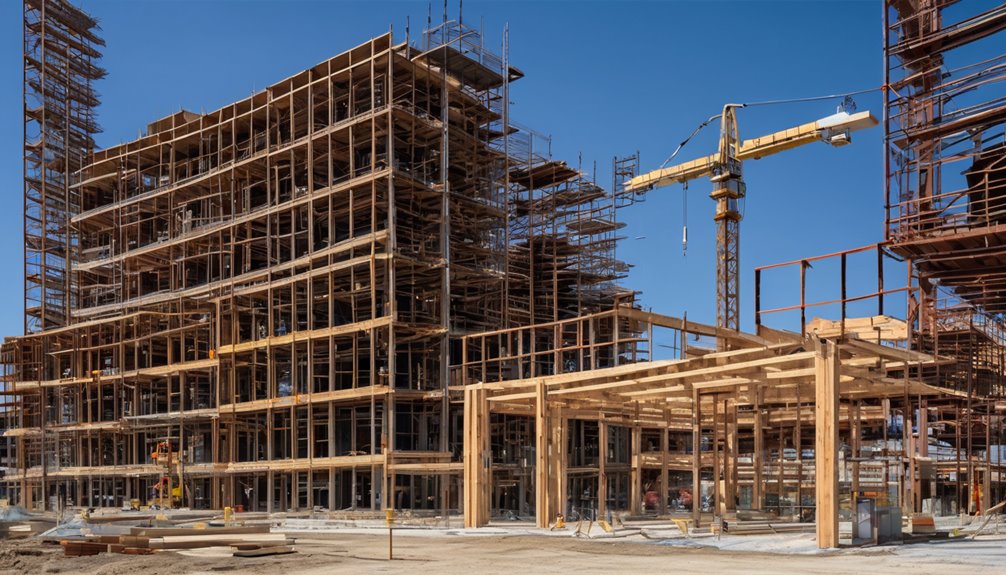
If you're looking to work as a contractor in Rockford, Illinois, understanding the Compliance-Only Contractor License is essential.
This license allows you to perform specific construction tasks without needing a full contractor's license. It's particularly beneficial for those who focus on minor repairs, maintenance, or projects that don't require extensive permits.
By obtaining this license, you demonstrate your commitment to following local building codes and regulations, ensuring your work meets city standards.
You won't need to worry about extensive paperwork or demonstrating a high level of expertise. Instead, you can focus on completing jobs efficiently while maintaining compliance with relevant laws.
This license can be a stepping stone toward more significant opportunities in the contracting field.
Eligibility Requirements for Contractors
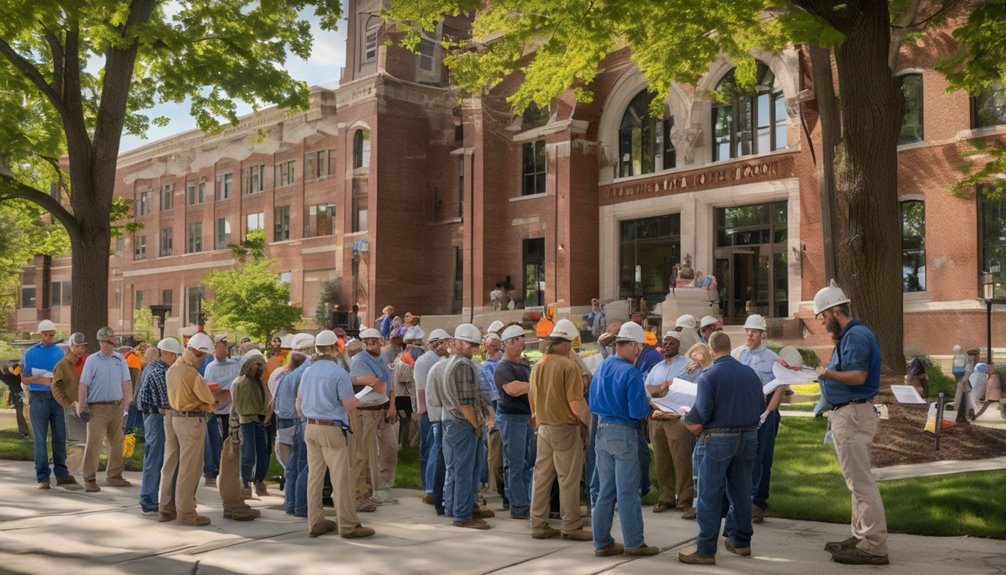
To become a licensed contractor in Rockford, you'll need to navigate the application process carefully.
This includes gathering the required documentation and understanding the fees involved.
Let's break down what you need to know to get started.
License Application Process
Before you dive into the license application process for contractors in Rockford, Illinois, it's essential to understand the eligibility requirements.
To apply, you must be at least 18 years old and possess a valid photo ID. You should have relevant experience in your trade, which may involve providing proof of work history or references.
Additionally, ensure you're not currently under any sanctions or violations related to contracting in Illinois. If you're planning to operate as a business entity, you'll need to register your business with the state.
Familiarizing yourself with these prerequisites can streamline your application process and help avoid delays. Once you meet these criteria, you'll be ready to move forward with your application.
Required Documentation Checklist
Gathering the necessary documentation is crucial for successfully obtaining your contractor license in Rockford, Illinois.
To start, you'll need a completed application form that includes your personal and business information. Next, provide proof of liability insurance and workers' compensation coverage.
Don't forget to include your valid identification, such as a driver's license or state ID. You may also need to submit your business registration documents, along with any relevant certifications or training records.
Additionally, prepare a list of references from previous clients or projects, if applicable. Make sure to check for any local requirements specific to your trade, as these can vary.
Having all these documents ready will streamline your application process.
Fees and Payment Structure
Once you've gathered the necessary documentation for your contractor license, it's important to understand the fees and payment structure involved in the application process.
In Rockford, you'll typically pay a base fee alongside any additional costs based on the scope of your project. These fees can vary, so check the latest fee schedule on the city's website or contact the licensing office directly.
When you're ready to apply, you can pay by check, credit card, or cash, depending on the method accepted by the office. Make sure to keep your payment receipt, as it serves as proof of your application and may be needed for future reference.
Always budget for potential renewal fees or inspections too.
Application Process for the Compliance-Only License

To apply for the Compliance-Only License in Rockford, you first need to meet specific eligibility requirements.
Once you confirm your qualifications, you can follow a straightforward set of application steps.
Understanding these points will help streamline your process and ensure you're on track.
Eligibility Requirements
Before applying for a compliance-only license in Rockford, it's essential to understand the eligibility requirements that ensure you meet local standards.
First, you must have a minimum of two years of relevant experience in the construction industry. This experience should demonstrate your knowledge of safety regulations, building codes, and industry best practices.
You'll also need to provide proof of liability insurance, as this protects you and your clients. Additionally, ensure you're compliant with any local zoning laws and regulations.
Finally, if you've had any prior violations or license suspensions, they may affect your eligibility. By meeting these criteria, you'll be better prepared to navigate the application process and secure your compliance-only license.
Application Steps
Navigating the application process for a compliance-only license in Rockford involves several key steps.
First, you'll need to gather all required documentation, including proof of insurance and identification.
Next, fill out the application form accurately; be sure to double-check your information for any errors.
Once your application is complete, submit it along with the required fees to the city's licensing department.
After submission, you'll likely need to wait for processing, which can take several weeks.
If additional information is requested, respond promptly to avoid delays.
Finally, once approved, you'll receive your compliance-only license, allowing you to operate legally as a contractor in Rockford.
Be sure to keep your license renewed as required!
Necessary Permits for Construction Projects
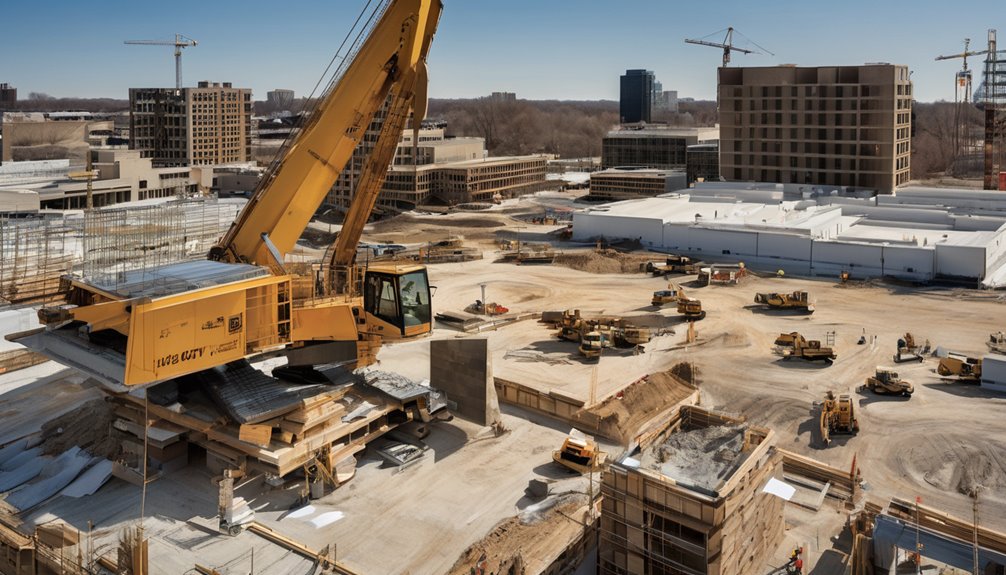
What permits do you need for your construction project in Rockford, Illinois?
First, you'll likely need a building permit, which is essential for most construction work. If you're adding plumbing or electrical systems, you'll need separate plumbing and electrical permits too.
For any demolition, a demolition permit is required, while site work may necessitate a grading or excavation permit.
If your project involves signs or fences, don't forget those sign and fence permits.
Always check with the City of Rockford's Planning and Development Department to ensure you have the appropriate permits based on your specific project.
Skipping permits can lead to fines or delays, so it's better to be thorough upfront.
Understanding Local Building Codes

Understanding local building codes is crucial for ensuring your construction project meets safety and legal standards. These codes outline the minimum requirements for construction practices, materials, and design, aimed at protecting public health, safety, and welfare.
Familiarize yourself with Rockford's specific codes, which can differ significantly from neighboring areas. You'll want to check zoning regulations, structural integrity standards, and energy efficiency requirements.
Compliance not only avoids costly fines but also enhances your project's credibility. To stay updated, regularly consult the City of Rockford's Building Department website or attend local workshops.
Fees Associated With Licensing and Permits

When you're planning a construction project in Rockford, you'll encounter various fees associated with obtaining the necessary licenses and permits.
These fees can vary depending on the scope of your project and the specific licenses you need. Typical costs include application fees, inspection fees, and possibly renewal fees if your project spans multiple years.
You might also face fees for zoning approvals or additional permits required for specialized work. It's essential to budget for these expenses early on to avoid surprises later.
Make sure to check with the City of Rockford's building department for the most current fee schedule, as these amounts can change annually.
Planning ahead will help you manage your project's overall costs effectively.
Benefits of Obtaining a Compliance-Only License

Securing a compliance-only license can significantly streamline your construction project in Rockford. This license allows you to focus on meeting regulatory requirements without the added complexity of additional permits.
You'll save time and reduce paperwork, enabling you to concentrate on your project's execution. With a compliance-only license, you can enhance your credibility with clients and local authorities, showcasing your commitment to adhering to safety and building standards.
Additionally, it can facilitate smoother inspections and approvals, minimizing delays. By obtaining this license, you position yourself as a responsible contractor, potentially attracting more business opportunities.
Tips for Maintaining Compliance

Maintaining compliance is vital for any contractor with a compliance-only license. To ensure you stay on track, consider these tips:
- Stay Updated: Regularly check local regulations and codes to keep your knowledge fresh. This helps you avoid mistakes that could lead to penalties.
- Document Everything: Maintain clear records of all projects, permits, and inspections. This not only aids in compliance but also serves as a valuable reference in case of disputes.
- Communicate with Officials: Build relationships with local building authorities. Open lines of communication can clarify requirements and alert you to any changes that may impact your work.
Resources for Rockford Contractors
As you navigate the construction landscape in Rockford, having access to the right resources can make all the difference in your success.
Start by tapping into local trade organizations like the Rockford Chamber of Commerce, which offers networking opportunities and industry insights.
Utilize online platforms such as the City of Rockford's official website for up-to-date information on permits and regulations.
Don't overlook local libraries and community centers that often host workshops on compliance and best practices.
Additionally, consider joining forums or social media groups where you can connect with other contractors to share experiences and advice.
Finally, keep a close eye on local building codes to stay informed and compliant, ensuring your projects run smoothly.
Frequently Asked Questions
Can I Work as a Contractor Without a Compliance-Only License?
You can't legally work as a contractor without the proper license. It ensures you're qualified and compliant with regulations. Without it, you risk penalties, project delays, and damage to your professional reputation.
How Long Does the Compliance-Only License Remain Valid?
The compliance-only license typically remains valid for a specified duration, often one to three years. You should check with your local authorities for exact timelines and renewal requirements to ensure you stay compliant.
Are There Any Continuing Education Requirements for Compliance-Only License Holders?
Yes, there are continuing education requirements for compliance-only license holders. You'll need to complete specific courses to stay updated on regulations and ensure your skills remain relevant. Check with your local authority for details.
What Are the Penalties for Operating Without a Compliance-Only License?
Operating without a compliance-only license can lead to hefty fines, potential legal action, and a forced halt on your projects. It's essential to stay compliant to avoid these serious consequences in your undertakings.
Can I Upgrade My Compliance-Only License to a Full Contractor License Later?
Yes, you can upgrade your compliance-only license to a full contractor license later. Just check your local regulations and fulfill any additional requirements needed to make the transition smoothly and legally.
Conclusion
In summary, obtaining a Compliance-Only Contractor License in Rockford can streamline your construction projects while ensuring you adhere to local regulations. By meeting eligibility requirements and understanding necessary permits, you'll enhance your credibility as a contractor. Remember to stay informed about building codes and maintain compliance to avoid potential issues. With the right approach, you can successfully navigate the process and enjoy the benefits this license offers, making your work in the community smoother and more efficient.