Get an Instant Quote on Hydronic Heating and Cooling Contractor – Compliance Only License Bond Now!

If you’re considering hydronic heating and cooling systems in Chicago Heights, it’s crucial to understand the importance of hiring licensed contractors. These professionals must comply with local regulations, including securing a license bond that guarantees their adherence to safety and quality standards. This compliance not only protects you but also enhances the overall efficiency of your system. What else should you know about these requirements and their impact on your project?
Understanding Hydronic Heating and Cooling Systems
When you think about efficient temperature control in your home or business, hydronic heating and cooling systems offer an effective solution.
These systems use water to transfer heat, ensuring even distribution throughout your space. By circulating heated or chilled water through pipes, they maintain a comfortable environment while minimizing energy consumption.
You’ll appreciate the quiet operation and improved air quality, as hydronic systems don’t rely on forced air that can stir up dust and allergens.
Plus, they’re versatile; you can integrate them with various heat sources, including boilers and heat pumps. Their durability means fewer maintenance issues, making them a smart investment.
Understanding how hydronic systems work can help you make informed decisions for your temperature control needs.
Importance of Hiring Licensed Contractors
When you hire a licensed contractor for your hydronic heating and cooling needs, you ensure compliance with local laws and regulations.
This not only protects you legally but also guarantees a standard of quality that unlicensed contractors often can’t match.
Choosing a professional means you’re investing in peace of mind and reliable service.
Legal Compliance Benefits
Hiring licensed contractors for hydronic heating and cooling systems ensures you’re not just following the law but also safeguarding your investment.
When you choose a licensed professional, you’re guaranteed that they understand local codes and regulations, reducing the risk of costly fines or legal issues.
Licensed contractors have undergone rigorous training and possess the necessary skills to handle your system correctly, which can prevent future complications.
Additionally, having a licensed contractor means you’re protected by insurance and warranties, giving you peace of mind.
If something goes wrong, you won’t be left high and dry.
Ultimately, hiring a licensed contractor ensures compliance, protects your property, and provides reassurance that your heating and cooling system is in capable hands.
Quality Assurance Guarantee
One of the key benefits of hiring licensed contractors for your hydronic heating and cooling systems is the quality assurance guarantee they provide.
When you choose a licensed professional, you can rest easy knowing they’ve met strict training and certification standards. This ensures that they’re familiar with the latest technologies and best practices in the industry.
If any issues arise, licensed contractors often offer warranties on their work, giving you peace of mind. You won’t have to worry about costly mistakes or subpar installations, as they’re committed to delivering high-quality results.
Plus, a licensed contractor is more likely to follow local codes and regulations, which further ensures the reliability and safety of your system.
Licensing Requirements in Chicago Heights

When hiring a hydronic heating and cooling contractor in Chicago Heights, you need to know the local licensing regulations.
Make sure your contractor has the proper bonding and insurance to protect yourself from any potential issues.
Understanding these requirements will help you make an informed decision for your home’s heating and cooling needs.
Local Licensing Regulations
Understanding local licensing regulations is crucial for any hydronic heating and cooling contractor operating in Chicago Heights.
To stay compliant and avoid potential fines, you should be aware of these key requirements:
- Obtain a Local License: Ensure you have the necessary city-specific license for hydronic systems. This often requires passing exams or providing proof of experience.
- Continuing Education: Stay updated with local codes and regulations by completing required training or education courses periodically.
- Application and Fees: Submit your application along with any associated fees to the city’s licensing department.
Make sure all documentation is accurate and complete.
Bonding and Insurance Requirements
To ensure your hydronic heating and cooling business operates smoothly in Chicago Heights, you must meet specific bonding and insurance requirements.
First, you’ll need to obtain a contractor’s bond, which protects your clients and ensures you comply with local regulations. The bond amount typically depends on the scope of your work, so check with local authorities for exact figures.
Additionally, securing liability insurance is essential. This coverage protects you from potential lawsuits and accidents that may occur on the job.
It’s wise to carry both general liability and worker’s compensation insurance to safeguard your business and employees. Always keep your documentation up to date, as failing to do so can lead to penalties or loss of your contractor’s license.
Bonding Requirements for Contractors
While navigating the complexities of the hydronic heating and cooling industry, it’s crucial for contractors to be aware of bonding requirements.
These bonds protect clients and ensure compliance with local regulations. Here are three key bonding requirements you should keep in mind:
- License Bond: This ensures that you comply with all local laws and regulations governing your work.
- Performance Bond: This guarantees that you’ll complete the project as agreed, offering financial protection to your clients.
- Payment Bond: This ensures that subcontractors and suppliers are paid, preventing potential liens against your work.
Understanding these bonding requirements not only safeguards your business but also builds trust with your clients.
Make sure you’re fully compliant to thrive in this competitive industry.
Benefits of Compliance With Local Regulations
When you comply with local regulations, you’re not just following the law; you’re ensuring legal protection for your business.
This adherence also enhances safety standards for you and your clients, creating a more secure work environment.
Ultimately, staying compliant can boost your reputation and client trust.
Legal Protection Assurance
Complying with local regulations not only protects your business from legal issues, but it also enhances your reputation in the community.
By ensuring you meet these requirements, you gain several critical benefits:
- Reduced Liability: Adhering to regulations minimizes your risk of lawsuits and penalties, keeping your finances secure.
- Increased Client Trust: Clients are more likely to choose a contractor who follows the law, boosting your customer base and referrals.
- Access to Contracts: Many projects require proof of compliance, allowing you to bid on more lucrative contracts and expand your business opportunities.
Ultimately, compliance isn’t just about following the law; it’s a strategic move that fosters growth and stability for your hydronic heating and cooling business.
Enhanced Safety Standards
Meeting local regulations not only safeguards your business but also elevates safety standards for your projects. By adhering to these guidelines, you ensure that your hydronic heating and cooling systems operate efficiently and safely. This compliance minimizes risks associated with improper installations or equipment failures, protecting both your clients and your reputation.
Moreover, local regulations often reflect the latest industry advancements, helping you stay ahead in safety practices. When you follow these standards, you’re not just fulfilling legal requirements; you’re demonstrating your commitment to quality and care.
Ultimately, enhanced safety measures can lead to increased customer trust and satisfaction, which translates into repeat business and referrals. So, invest in compliance and reap the benefits of a safer working environment.
How to Verify a Contractor’s License
How can you ensure that a hydronic heating and cooling contractor is properly licensed?
It’s crucial to perform some checks before hiring. Here’s how you can verify their credentials:
- Check the State Licensing Board: Visit your state’s licensing board website to confirm the contractor’s license status. Most boards provide an online database for easy access.
- Ask for License Numbers: Request the contractor’s license number directly. You can use this number to cross-check their qualifications and any disciplinary actions.
- Read Reviews and Testimonials: Look for customer reviews and testimonials online. This can give you insight into their reputation and reliability.
Taking these steps will help you ensure that you’re hiring a qualified and licensed contractor for your project.
The Role of Insurance in Contractor Services
Verifying a contractor’s license is just one aspect of ensuring a successful project; insurance plays a vital role in protecting both you and the contractor.
When a contractor has the right insurance, it safeguards against unforeseen incidents like accidents or property damage. This coverage not only helps cover repair costs but also shields you from potential liability.
If anything goes wrong during the project, having an insured contractor means you won’t be left bearing the financial burden. Always ask for proof of insurance and verify its validity.
This step ensures peace of mind, knowing that you’re working with a professional who takes responsibility seriously. Ultimately, insurance is a crucial safety net that enhances the overall security of your project.
Common Misconceptions About Hydronic Systems
Although many people appreciate the efficiency of hydronic heating and cooling systems, misconceptions about their operation and benefits can lead to hesitance in adopting this technology.
Here are three common misunderstandings:
- They’re too expensive: While the initial installation cost can be higher, hydronic systems often save money in the long run through energy efficiency and reduced utility bills.
- They’re only for large spaces: Hydronic systems are versatile and can be designed for homes of all sizes, providing effective heating and cooling regardless of square footage.
- Maintenance is a hassle: In reality, hydronic systems require minimal maintenance, and regular checks can keep them running smoothly for years without significant issues.
Choosing the Right Contractor for Your Needs
Understanding the realities of hydronic heating and cooling systems can prepare you for the next important step: selecting the right contractor.
Start by looking for professionals with experience specifically in hydronic systems. Check their credentials, ensuring they’re licensed and insured to operate in your area.
Don’t hesitate to ask for references or read online reviews to gauge their reputation. It’s also wise to request quotes from multiple contractors to compare services and pricing.
Communication is key, so choose someone who listens to your needs and answers your questions clearly.
Finally, trust your instincts; a good contractor should make you feel confident in their expertise and commitment to quality work. Your comfort depends on making the right choice!
Maintaining Your Hydronic Heating and Cooling System
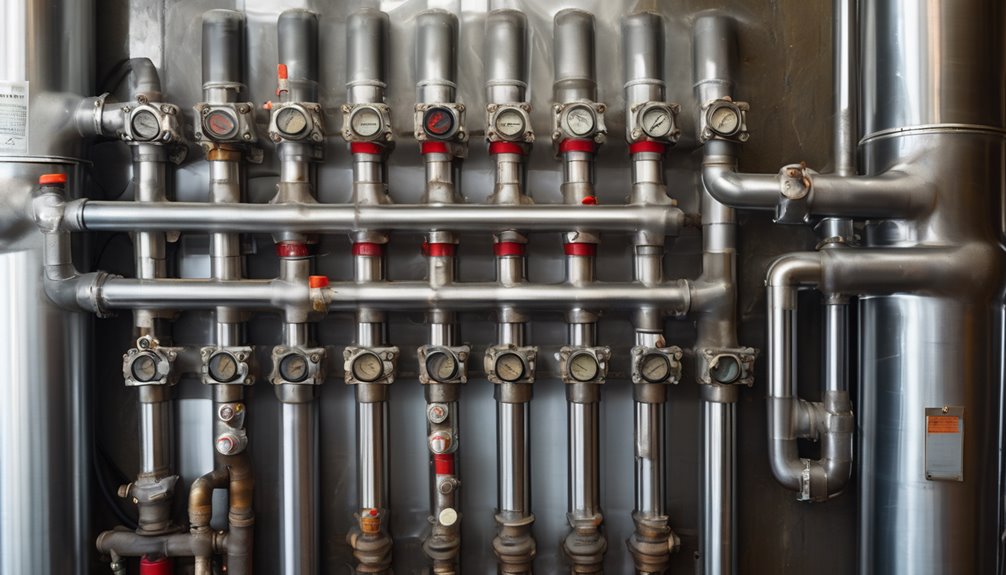
To keep your hydronic heating and cooling system running efficiently, regular maintenance is essential.
By following a few key practices, you can ensure optimal performance and longevity.
Here are three crucial tasks to include in your maintenance routine:
- Check the Pressure: Regularly monitor the system’s pressure levels to avoid inefficiencies or damage.
- Inspect for Leaks: Examine pipes and connections for any signs of leaks, as these can lead to significant energy loss.
- Flush the System: Periodically flushing the system helps remove sediment buildup, promoting better heat transfer and efficiency.
Frequently Asked Questions
What Is the Typical Cost for Hydronic Heating Installation?
The typical cost for hydronic heating installation varies widely, ranging from $3,000 to $10,000. Factors like system size, complexity, and local labor rates affect the final price, so get multiple quotes for the best deal.
How Long Does a Hydronic System Installation Take?
A hydronic system installation typically takes one to three days, depending on the complexity of your home and the system you’re choosing. You’ll want to ensure everything’s set up properly for optimal efficiency and comfort.
Can Hydronic Systems Be Used for Both Heating and Cooling?
Yes, hydronic systems can be used for both heating and cooling. By circulating water through pipes, they efficiently transfer heat in winter and cool spaces in summer, providing year-round comfort for your home or building.
What Maintenance Is Required for Hydronic Systems?
To keep your hydronic system running smoothly, check the water levels, inspect for leaks, clean filters, and ensure proper circulation. Regular maintenance prevents issues and maximizes efficiency, so don’t skip these essential tasks!
Are There Energy Efficiency Incentives for Hydronic Systems?
Yes, there are energy efficiency incentives for hydronic systems. You can often access rebates, tax credits, or financing options through local utilities or government programs, helping you save money while improving your system’s efficiency.
Conclusion
In Chicago Heights, hiring a licensed hydronic heating and cooling contractor is crucial for ensuring quality and compliance with local regulations. By choosing a bonded contractor, you’re not just protecting your investment; you’re also supporting a commitment to safety and efficiency in your home. Remember, maintaining your system is just as important as the initial installation. So, take the time to find the right contractor, and enjoy the peace of mind that comes with proper compliance and care.