Get an Instant Quote on Heating Contractor – Compliance Only License Bond Now!

If you’re a heating contractor in Chicago Heights, you know how crucial it is to comply with local regulations. Obtaining a license bond isn’t just a formality; it protects both you and your clients. Understanding the specifics of this requirement can save you from potential pitfalls. But what exactly does the bonding process entail, and how can you ensure you’re meeting all necessary standards? Let’s explore these essential aspects further.
Understanding the Importance of Licensing for Heating Contractors
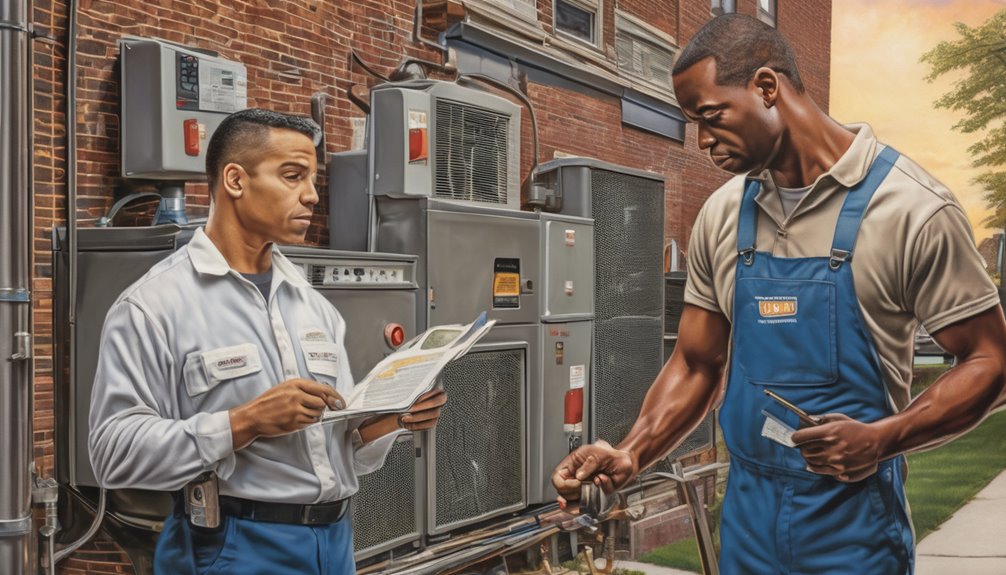
When you’re hiring a heating contractor, understanding the importance of licensing is crucial. Licensed contractors have met specific qualifications and standards, ensuring they possess the necessary skills to handle your heating system.
By choosing a licensed professional, you’re protecting yourself from potential issues that could arise from unqualified work. Licensed contractors are also insured, which means you won’t be liable for accidents or damage during the job.
Furthermore, hiring a licensed contractor can often be a requirement for warranties or insurance claims on your heating system.
Overview of Licensing Requirements in Chicago Heights
To operate as a heating contractor in Chicago Heights, you need to understand the local licensing authority and its requirements.
You’ll also want to ensure that you meet the bonding and insurance obligations to protect yourself and your clients.
Knowing these details will help you stay compliant and avoid any potential legal issues.
Local Licensing Authority
In Chicago Heights, understanding the local licensing authority is crucial for heating contractors looking to operate legally and efficiently.
The city has specific requirements that you must meet to obtain a heating contractor license. You’ll need to provide proof of your qualifications, including relevant experience and training. Additionally, you may have to submit an application along with the required fees.
The local authority will review your application to ensure you comply with all regulations. It’s essential to stay updated on any changes in local laws that may affect your licensing status.
Bonding and Insurance Requirements
Before you can start working as a heating contractor in Chicago Heights, you must understand the bonding and insurance requirements that are part of the licensing process.
You’ll need to secure a surety bond, which protects clients and the city against potential financial losses due to your actions. This bond typically covers specific amounts, so check local regulations for exact figures.
Additionally, obtaining liability insurance is crucial. This insurance will safeguard both you and your clients in case of property damage or personal injuries that may occur during your work.
Make sure to keep up with policy renewals and maintain the required coverage levels to stay compliant and protect your business.
The Bonding Process Explained
Understanding the bonding process is crucial for heating contractors in Chicago Heights, as it ensures compliance with local regulations and protects both you and your clients.
First, you’ll need to choose a reputable surety company to issue your bond. This company evaluates your financial stability and work history to determine your eligibility. Once approved, you’ll pay a premium, typically a percentage of the bond amount.
The bond acts as a guarantee that you’ll adhere to laws and regulations. If a client files a claim against you for violations, the surety company investigates and may cover the damages, holding you accountable for repayment.
Completing this process not only builds trust but also safeguards your business’s reputation in the community.
Types of Bonds Required for Heating Contractors

As a heating contractor in Chicago Heights, you’ll need to understand the types of bonds required for your work.
Performance bonds ensure you complete projects as promised, while license bonds confirm your compliance with regulations.
Additionally, it’s crucial to know the insurance requirements to protect yourself and your clients.
Performance Bonds Explained
Performance bonds play a crucial role for heating contractors in Chicago Heights, ensuring that projects are completed according to agreed standards and timelines.
When you secure a performance bond, you’re essentially guaranteeing that you’ll fulfill the contractual obligations set forth in your agreement. If you fail to meet these terms, the bond provides financial protection for your clients, allowing them to recover losses through the bond issuer.
This not only builds trust with your customers but also enhances your reputation in the industry. There are different types of performance bonds based on project size and scope, so it’s important to choose the right one for your needs.
Ultimately, having a performance bond assures clients that you’re committed to quality and accountability.
License Bonds Overview
When you’re working as a heating contractor in Chicago Heights, securing the right license bonds is essential for compliance and credibility.
License bonds are a type of surety bond that protect consumers and ensure you operate within legal guidelines. In this city, you typically need a general contractor’s bond and a specific heating contractor bond.
These bonds guarantee that you’ll adhere to local codes and regulations while providing your services. If you fail to meet these obligations, clients can file claims against your bond, which can lead to financial repercussions for you.
Insurance Requirements Clarified
In addition to securing license bonds, understanding the insurance requirements for heating contractors in Chicago Heights is vital for your business’s success.
You’ll need to carry general liability insurance to protect against potential damages or injuries that might occur during your work. This coverage can safeguard your assets and ensure you’re compliant with local regulations.
Additionally, workers’ compensation insurance is essential if you have employees. It covers medical expenses and lost wages if they get injured on the job.
Make sure to check the specific coverage limits required by the city, as these can vary.
Steps to Apply for Your Heating Contractor License
Applying for your heating contractor license in Chicago Heights involves a series of essential steps that ensure you meet local regulations and standards.
First, gather all necessary documents, including proof of insurance and any relevant certifications.
Next, complete your application form accurately; double-check for any errors.
After that, submit your application along with the required fees to the appropriate city office. You may also need to pass a background check, so be prepared for that process.
Once your application is approved, attend any required training sessions or exams.
Finally, once you’ve fulfilled all requirements, you’ll receive your heating contractor license.
Follow these steps closely, and you’ll be on your way to operating legally in Chicago Heights.
Common Compliance Issues and How to Avoid Them
After securing your heating contractor license, it’s vital to stay compliant with local regulations to avoid common pitfalls.
Here are some issues you might encounter and how to steer clear of them:
- Lack of Proper Permits: Always check for required permits before starting any project.
- Ignoring Safety Codes: Familiarize yourself with safety standards to prevent accidents and legal issues.
- Failure to Renew Licenses: Keep track of renewal dates for your license and bonds.
- Neglecting Continuing Education: Stay updated on industry changes through ongoing education to maintain compliance.
Resources for Heating Contractors in Chicago Heights

While navigating the complexities of heating contractor work in Chicago Heights, you’ll find a wealth of resources designed to support your success.
Start by checking out the City of Chicago Heights‘ official website for local regulations and permitting requirements. The Illinois Department of Public Health offers guidelines on safety and compliance, crucial for your operations.
Networking with local trade associations can provide additional support, training, and mentorship opportunities. Consider joining the Heating, Refrigeration and Air Conditioning Institute of Canada (HRAI) for access to industry standards and best practices.
Lastly, don’t overlook online forums and social media groups where you can share experiences and gather advice from fellow contractors. These resources are vital in keeping your business compliant and thriving.
Frequently Asked Questions
What Is the Cost of Obtaining a Heating Contractor License in Chicago Heights?
To obtain a heating contractor license in Chicago Heights, you’ll typically pay fees ranging from $100 to $500, depending on specific requirements and the type of license. Check local regulations for exact costs.
How Long Does the Licensing Process Take for Heating Contractors?
The licensing process for heating contractors typically takes several weeks. You’ll need to gather required documents, submit your application, and wait for approval, which can vary based on your specific situation and local regulations.
Are There Continuing Education Requirements for Heating Contractors in Chicago Heights?
Yes, there are continuing education requirements for heating contractors in Chicago Heights. You’ll need to complete specific courses to stay updated on industry standards and regulations, ensuring your skills and knowledge remain current and compliant.
Can I Operate Without a Bond as a Heating Contractor?
You can’t operate without a bond as a heating contractor. A bond protects clients and ensures compliance with regulations. It’s essential for building trust and maintaining your professional reputation in the industry.
What Penalties Exist for Non-Compliance With Licensing Regulations?
If you don’t comply with licensing regulations, you might face fines, legal action, or even a suspension of your ability to operate. It’s crucial to stay informed and adhere to all requirements to avoid these penalties.
Conclusion
In conclusion, obtaining a license bond is crucial for heating contractors in Chicago Heights. It not only ensures you meet local regulations but also builds trust with your clients. By staying compliant and informed about industry standards, you can avoid common pitfalls and operate your business smoothly. Remember, maintaining your bond is a key step in safeguarding your reputation and ensuring financial protection for both you and your customers. Don’t overlook its importance!