Get an Instant Quote on Fence Contractor – Compliance Only License Bond Now!

When you’re considering a fence installation in Chicago Heights, it’s crucial to understand the local regulations that govern this process. Hiring a licensed fence contractor isn’t just a smart choice; it’s necessary for compliance. You need to ensure the contractor has a valid city-issued license and bond. This compliance protects your investment and keeps you safe from potential liabilities. So, what steps should you take to find the right contractor?
Understanding Fence Installation Regulations in Chicago Heights

When you decide to install a fence in Chicago Heights, it’s crucial to understand the local regulations that govern such projects. These rules help ensure safety and uniformity in your neighborhood.
Start by checking the height restrictions, which typically vary depending on the fence type and location. You’ll also want to look into setback requirements, as some fences need to be a certain distance from property lines.
Additionally, determine if you need a permit before installation; this can save you from potential fines. It’s wise to consult the city’s zoning department for specific guidelines.
Importance of Hiring a Licensed Fence Contractor
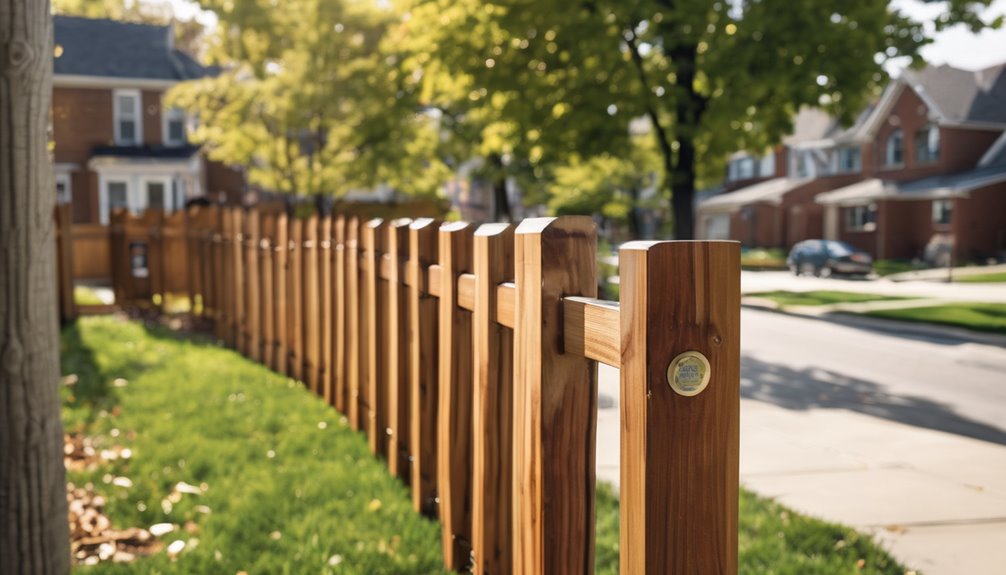
Hiring a licensed fence contractor can make all the difference in your fencing project. When you choose someone with the proper credentials, you’re ensuring that they understand local regulations and can navigate any permits needed. This not only saves you time but also helps you avoid potential fines.
Licensed contractors have the experience and skills to install your fence correctly, ensuring it’s sturdy and meets safety standards. Plus, you’ll likely receive a warranty on their work, giving you peace of mind.
If issues arise, a licensed contractor is more accountable, protecting your investment. Ultimately, hiring a licensed professional can save you money in the long run by preventing costly mistakes. So, don’t settle for anything less!
Licensing Requirements for Fence Contractors in Chicago Heights
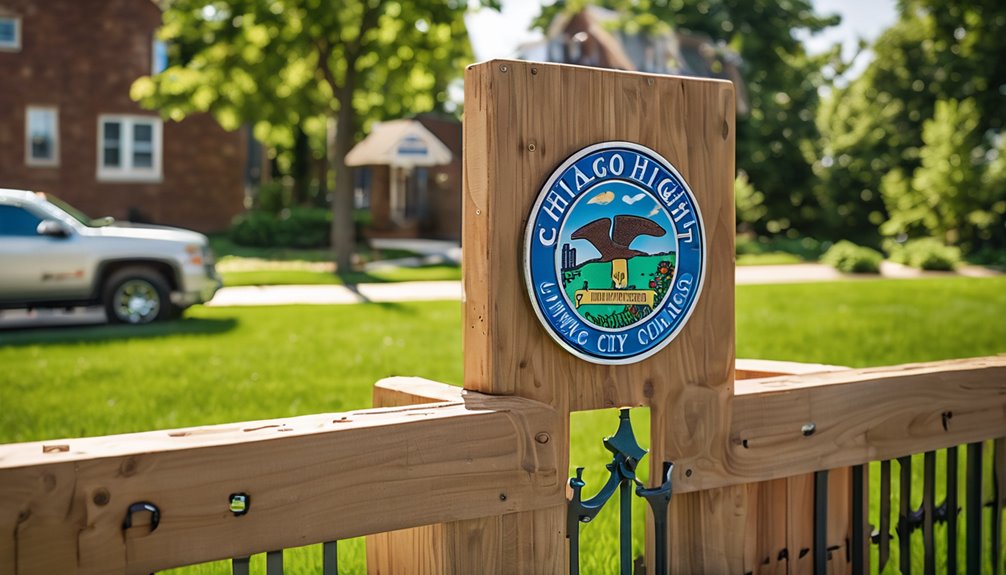
In order to ensure quality and safety, Chicago Heights has specific licensing requirements for fence contractors that you should be aware of.
Here’s what you need to know:
- Valid License: Contractors must hold a valid city-issued license, proving they’ve met local regulations and standards.
- Experience: A minimum of two years of experience in fence installation is typically required, ensuring they know the ins and outs of the trade.
- Insurance: Proof of liability insurance is essential, protecting both you and the contractor from potential damages during the project.
The Role of Bonding and Insurance in Fence Installation

While you may think of insurance as just another expense, it plays a crucial role in protecting both you and your fence contractor during installation.
Bonding ensures that the contractor adheres to local regulations and meets industry standards, giving you peace of mind. If something goes wrong—like property damage or a worker injury—insurance helps cover costs, preventing financial strain on you.
This safeguard encourages quality workmanship, as contractors know they’re accountable for their actions. Additionally, having a bonded and insured contractor shows you’re working with a professional who values their reputation.
Steps to Verify a Contractor’s License and Insurance

Before you hire a fence contractor, it’s essential to verify their license and insurance to ensure you’re making a safe choice.
Here are three simple steps to help you check:
- Visit the State License Board Website: Search for your contractor’s name to see their licensing status and if any complaints have been filed.
- Request Insurance Documents: Ask the contractor for copies of their liability insurance and workers’ compensation insurance. Ensure these are current and cover your project.
- Call the Insurance Company: Confirm with the insurer that the policies are valid and provide adequate coverage for your job.
Common Compliance Issues to Avoid
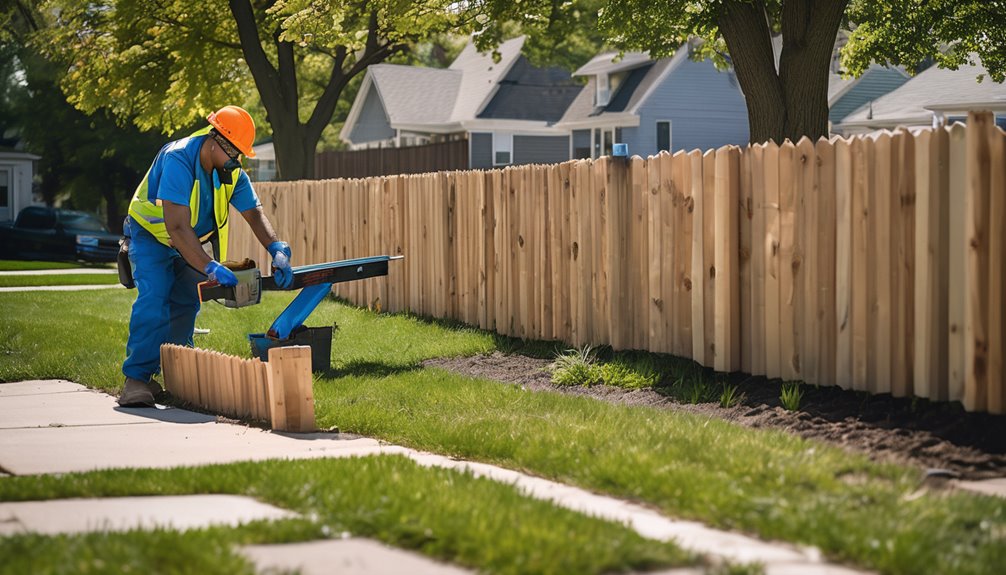
When hiring a fence contractor in Chicago Heights, overlooking compliance issues can lead to costly mistakes and delays.
One common problem is failing to check if the contractor has the necessary licenses and permits. If they don’t, you could face fines or be required to remove the fence.
Another issue isn’t ensuring the contractor has adequate insurance coverage. Without it, you might be liable for any accidents or damages that occur during installation.
Additionally, be wary of contractors who use subpar materials or don’t follow local building codes. This can’t only compromise the quality of your fence but also lead to future legal issues.
Stay informed and proactive to avoid these pitfalls.
Navigating the Permit Process for Fence Installation

Understanding compliance issues is just the first step in your fence installation journey.
Next, you’ll need to navigate the permit process to ensure everything’s above board. Here’s how to make it smoother:
- Visit the Local Building Department: Get familiar with the specific requirements for your area.
- Gather Necessary Documents: You’ll typically need site plans, property lines, and boundary surveys.
- Submit Your Application: Fill out the required forms and pay any fees; this is crucial for moving forward.
Once you’ve submitted everything, be prepared for possible inspections.
This process may take time, but staying organized will help you avoid delays and get that fence up legally and efficiently.
Tips for a Smooth Fence Installation Experience
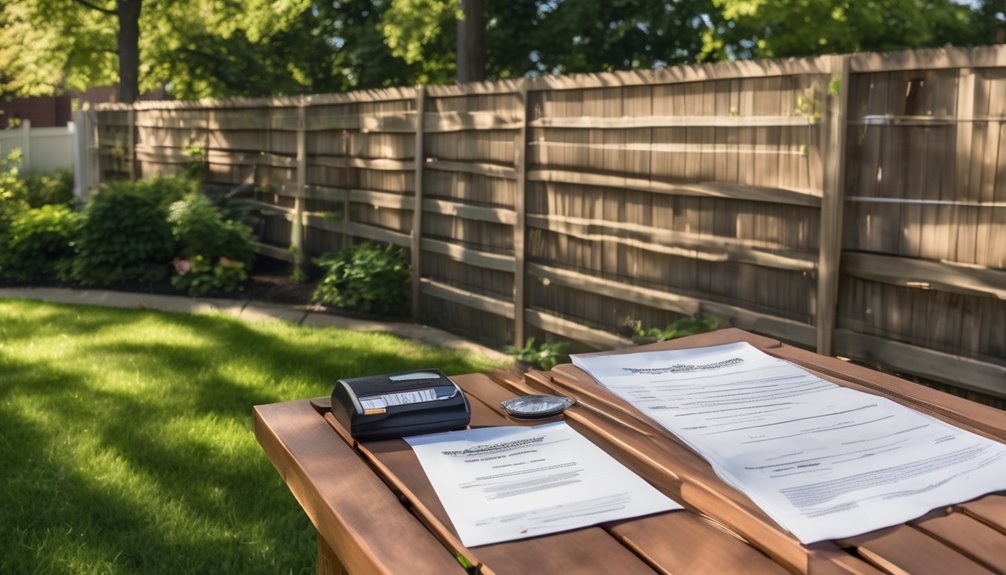
To ensure a smooth fence installation experience, start by choosing reliable materials that suit your needs.
Don’t forget to communicate openly with your contractor about your expectations and any concerns.
This teamwork can make all the difference in getting the job done right.
Choose Reliable Materials
Choosing reliable materials is crucial for ensuring a smooth fence installation experience, as the quality of your fence directly impacts its durability and appearance.
When selecting materials, focus on options that will stand the test of time and weather. Here are three essential materials to consider:
- Pressure-Treated Wood: This is resistant to rot and insects, making it ideal for outdoor use.
- Vinyl Fencing: Low-maintenance and available in various styles, it won’t warp or fade easily.
- Metal Fencing: Options like aluminum or wrought iron provide strength and security, while adding an elegant touch.
Communicate With Contractor
Once you’ve selected reliable materials, the next step is to communicate effectively with your contractor.
Start by discussing your vision for the fence, including design, height, and color preferences. Be clear about your budget and any deadlines you have in mind.
Regular check-ins will help keep the project on track and address any concerns promptly. Don’t hesitate to ask questions or seek clarification if something isn’t clear.
It’s also helpful to establish preferred communication methods—whether it’s phone calls, texts, or emails—to streamline updates.
Lastly, be open to your contractor’s suggestions; their experience can lead to valuable insights that enhance the final result.
Clear communication can make all the difference in achieving the fence you want.
How to Choose the Right Fence Contractor for Your Project
Choosing the right fence contractor is crucial for your project’s success.
Start by verifying their licensing and insurance to ensure you’re protected.
Then, assess their experience and expertise while requesting detailed estimates to make an informed decision.
Verify Licensing and Insurance
Before you dive into your fencing project, it’s crucial to verify the contractor’s licensing and insurance. This step ensures you’re working with a qualified professional who can protect your investment.
Here’s how to get started:
- Check for a valid license – Look for proof that the contractor is licensed in Illinois, specifically for fencing work. This shows they meet local regulations.
- Verify insurance coverage – Ensure they’ve adequate liability insurance to cover any accidents or damages that may occur during the project.
- Request references – Ask for recommendations from past clients to confirm the contractor’s reliability and quality of work.
Assess Experience and Expertise
When hiring a fence contractor, experience and expertise can make all the difference in the success of your project.
Look for contractors who’ve a proven track record in the type of fencing you need. Ask about their previous work and request references from past clients. A seasoned contractor can navigate challenges that may arise during installation, ensuring the job gets done right the first time.
Additionally, check if they’re familiar with local building codes and regulations, as this knowledge can prevent costly mistakes. Don’t hesitate to ask questions about their methods and materials, as a knowledgeable contractor will be happy to share their insights.
Choosing someone with the right experience will give you peace of mind and a quality result.
Request Detailed Estimates
After evaluating a contractor’s experience and expertise, the next step is to request detailed estimates. This will help you understand the overall cost and scope of your project.
When you ask for estimates, consider these three essential elements:
- Material Costs: Get specifics on the type of fencing materials proposed, like wood, vinyl, or chain link, along with their quality and durability.
- Labor Charges: Inquire about the number of workers involved and the estimated time for completion, as this can significantly affect the total cost.
- Additional Fees: Ensure you ask about any potential extra charges, such as permits or site preparation, to avoid surprises later.
With these details, you’ll be better equipped to make an informed choice.
Frequently Asked Questions
How Long Does It Take to Obtain a Fence Contractor License?
It typically takes a few weeks to obtain a fence contractor license. You’ll need to gather required documents, submit your application, and possibly pass an exam. Be prepared for some processing time from the licensing authority.
What Types of Fences Require Permits in Chicago Heights?
In Chicago Heights, you’ll need permits for certain fences, especially those over six feet tall, privacy fences, and those made of specific materials. Always check local regulations to ensure compliance before starting your project.
Are There Specific Height Restrictions for Residential Fences?
Yes, there are specific height restrictions for residential fences. Typically, you can build a fence up to six feet tall in the backyard and four feet in the front yard. Always check local regulations for any variations.
What Is the Cost of a Fence Installation Permit?
The cost of a fence installation permit varies by location and specific requirements. You should check with your local government or building department to get accurate fees and any additional costs associated with your project.
Can I Install a Fence Without Hiring a Licensed Contractor?
You can install a fence yourself without hiring a licensed contractor, but check your local regulations first. Some areas require permits or specific standards, which you’ll need to follow to avoid potential fines or issues.
Conclusion
In conclusion, hiring a licensed fence contractor in Chicago Heights is crucial for ensuring compliance with local regulations. By taking the time to verify their license and bonding status, you protect yourself from potential liabilities and ensure a quality installation. Navigating the permit process and understanding the importance of bonding can make your fencing project smoother. Remember, choosing the right contractor is key to achieving the fence you envision while staying within legal boundaries.