Get an Instant Quote on Clearing and Earthwork Contractor Bond Now!

As a clearing and earthwork contractor in Kootenai County, you know the importance of a site disturbance bond. It’s not just a regulatory requirement; it’s a safeguard for your projects and the community. By securing this bond, you’re ensuring compliance and protecting your financial interests. But what exactly does this involve? Understanding the key components of site disturbance bonds can make a significant difference in your operations. Let’s explore what you need to know.
Understanding Site Disturbance Bonds
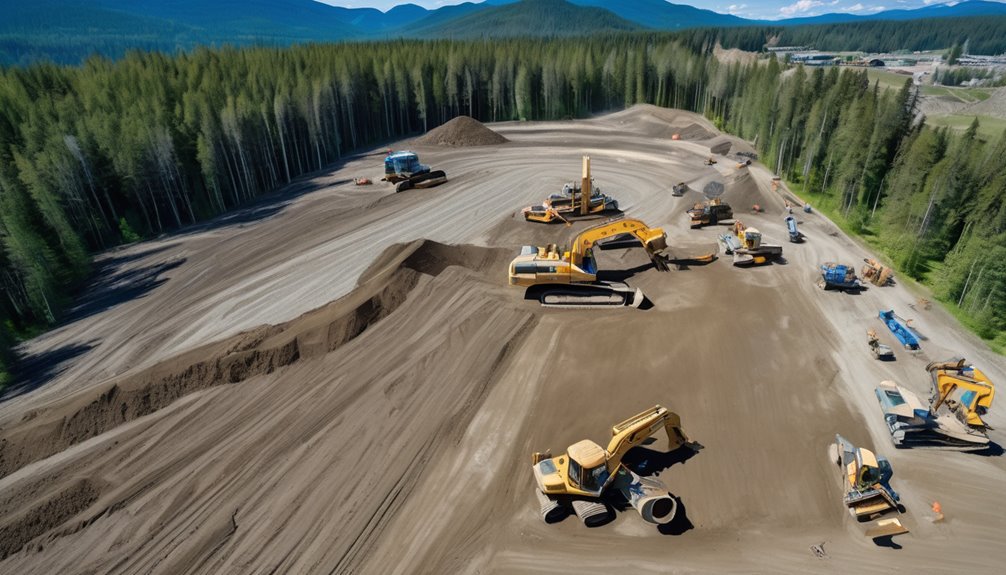
When you’re involved in clearing and earthwork projects, understanding site disturbance bonds is crucial.
These bonds serve as a financial guarantee that you’ll restore the site to its original condition after your work is complete. They protect the municipality and ensure you follow best practices for land and environmental management.
If you fail to meet the restoration requirements, the bond covers the costs of repairs or reclamation. To obtain a site disturbance bond, you’ll typically need to submit an application and provide detailed project plans.
Keep in mind that the bond amount usually reflects the scale of your project, so it’s essential to accurately assess your site’s potential impact.
Being informed about these bonds can save you time, money, and headaches in the long run.
Importance of Compliance With Local Regulations
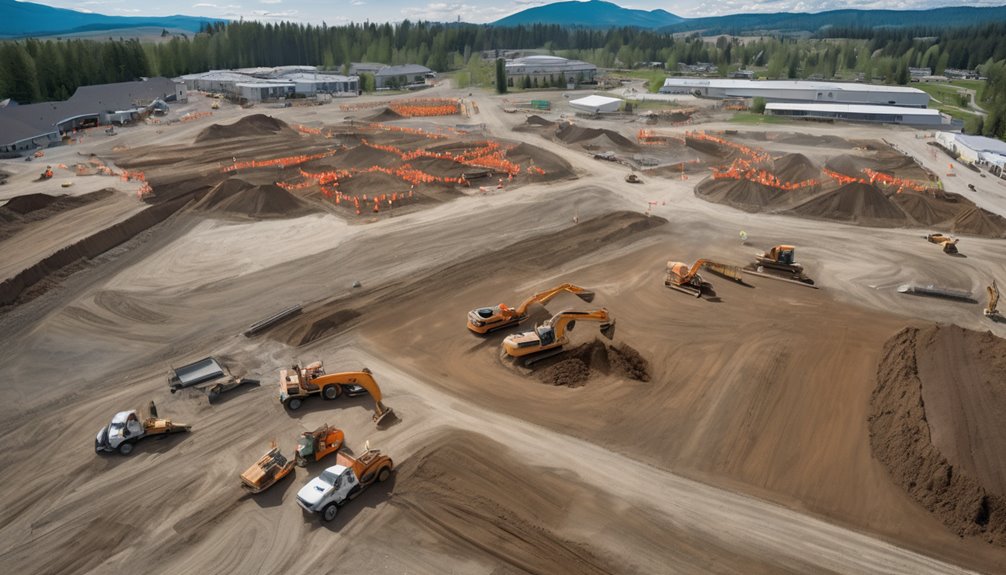
Compliance with local regulations plays a vital role in the success of clearing and earthwork projects. When you adhere to these rules, you minimize the risk of fines, delays, and potential legal issues.
Local regulations ensure that your work aligns with community standards, environmental protections, and safety guidelines. This not only protects the environment but also enhances your reputation as a responsible contractor.
You’ll find that engaging with local authorities can lead to smoother project approvals and a better understanding of specific requirements. Staying compliant helps you build trust with stakeholders and clients, ensuring smoother operations.
In the long run, prioritizing compliance saves you time and money, allowing you to focus on delivering high-quality work.
Key Requirements for Site Disturbance Bonds in Kootenai County
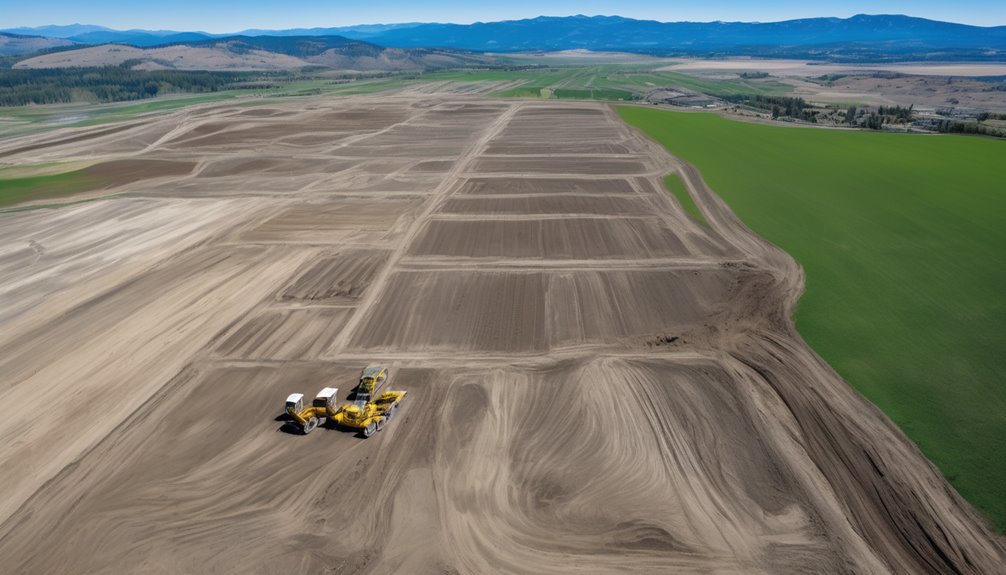
When applying for a site disturbance bond in Kootenai County, you need to understand the specific requirements involved.
This includes the bond application process, financial assurance requirements, and compliance with local regulations.
Knowing these key points will help you navigate the process more smoothly.
Bond Application Process
To successfully navigate the bond application process for site disturbance bonds in Kootenai County, you’ll need to understand the key requirements involved.
First, gather all necessary documentation, including project plans and permits. You’ll also need to provide a description of the proposed site disturbance and its environmental impact.
Next, ensure you have a qualified surety company ready to underwrite your bond. Their expertise will be crucial in meeting local regulations.
After that, complete the bond application form accurately, paying attention to details to avoid delays.
Lastly, submit your application along with any required fees to the appropriate municipal office.
Following these steps will help ensure a smooth application process and get you on your way to securing your site disturbance bond.
Financial Assurance Requirements
Understanding financial assurance requirements is crucial for securing site disturbance bonds in Kootenai County, as these regulations ensure that projects address potential environmental impacts effectively.
To meet these requirements, you’ll need to provide a bond amount that reflects the scope and scale of your project, covering potential costs for site restoration and mitigation. This bond serves as a guarantee that funds are available to rectify any environmental damage.
You must also demonstrate financial stability, often through financial statements or a creditworthiness assessment, to assure the municipality of your ability to fulfill the obligations.
Compliance With Local Regulations
Complying with local regulations is essential for obtaining site disturbance bonds in Kootenai County, as these rules dictate the necessary steps you must follow to ensure environmental protection.
First, familiarize yourself with local zoning laws and land use requirements. You’ll need to submit a detailed site plan that outlines your project, including erosion control measures and stormwater management.
Additionally, make sure you obtain any necessary permits before starting work. Regular inspections may be required to confirm compliance with environmental standards.
Failure to adhere to these regulations can result in penalties, delays, or even bond forfeiture. By staying informed and proactive, you can ensure your project proceeds smoothly and meets all local requirements.
Steps to Obtain a Site Disturbance Bond
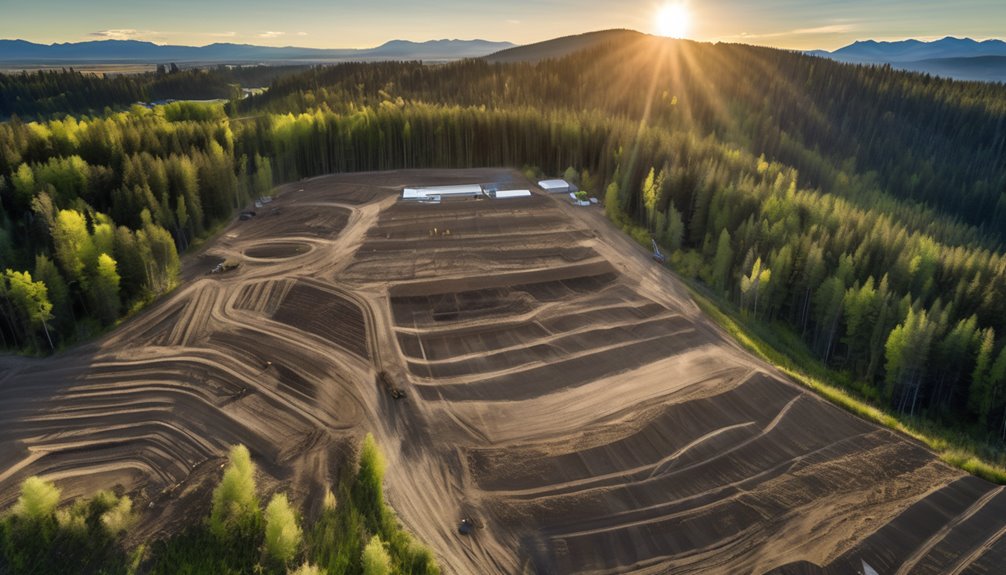
To obtain a site disturbance bond, you’ll need to gather specific documentation and understand the application process.
It’s important to know what costs you’ll face when securing the bond as well.
Let’s break down these essential steps to help you navigate the process smoothly.
Necessary Documentation Required
When applying for a site disturbance bond, gathering the necessary documentation is crucial for a smooth process.
First, you’ll need to provide proof of your business registration and licensing. This includes your contractor’s license and any relevant permits specific to Kootenai County.
Next, prepare a project description detailing the scope of work and the area of disturbance. You should also include site plans or diagrams illustrating your plans.
Additionally, financial statements or proof of insurance might be required to demonstrate your fiscal responsibility.
Lastly, be ready to supply any previous bond history if applicable.
Collecting these documents ahead of time will help streamline your application and avoid delays.
Application Process Overview
With all necessary documentation in hand, you can begin the application process for a site disturbance bond. This process is straightforward, and following these steps will help you secure your bond efficiently:
- Complete the Application Form: Fill out the required application form accurately, ensuring all details are correct.
- Submit Supporting Documents: Provide any necessary supporting documents, such as proof of insurance, a project description, and any relevant permits.
- Pay the Required Fees: Be prepared to pay any application fees associated with the bond to finalize your submission.
After you’ve completed these steps, your application will be reviewed, and you’ll be informed about the status of your site disturbance bond.
Following these guidelines will streamline your experience.
Bonding Costs Explained
Understanding the costs associated with obtaining a site disturbance bond is crucial for any contractor.
You’ll typically face a premium based on the bond amount and your financial history. This premium usually ranges from 1% to 15% of the total bond value. Your credit score plays a significant role; better scores often lead to lower premiums.
Additionally, you may encounter administrative fees during the application process. It’s essential to gather all required documentation, as incomplete applications can delay approval and increase costs.
Don’t forget to budget for potential renewal fees if the bond is required for an extended period. By preparing ahead, you can minimize surprises and ensure your project stays on track financially.
Financial Implications of Site Disturbance Bonds
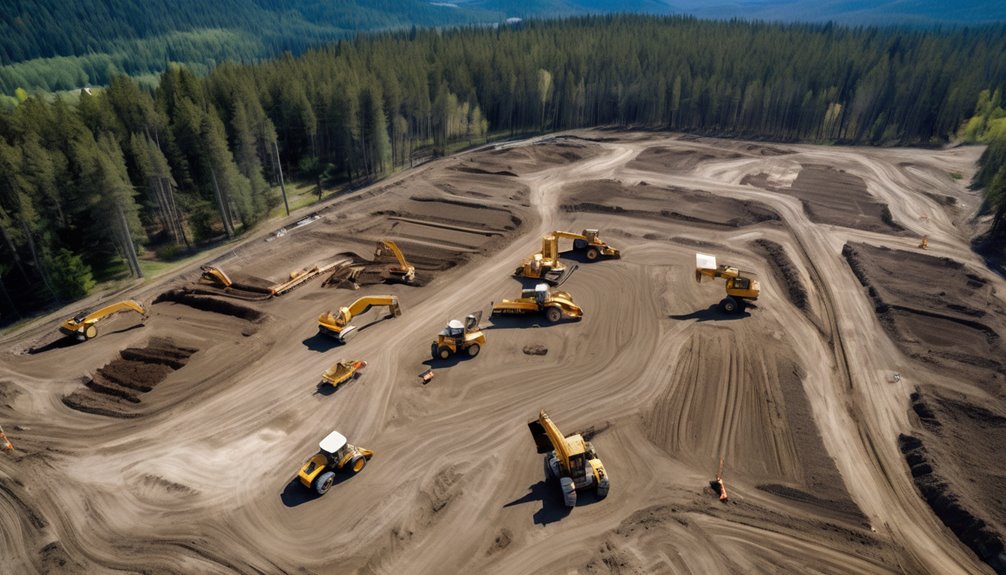
Site disturbance bonds play a crucial role in managing financial risk for contractors involved in clearing and earthwork projects. By securing these bonds, you ensure compliance with local regulations and protect your financial interests.
Here are three key financial implications to consider:
- Cost of the Bond: You’ll need to budget for the premium, which can vary based on project size and risk factors.
- Potential Liability: If disturbances occur, you could face costs related to remediation, which the bond can cover.
- Impact on Cash Flow: Tying up funds in a bond can affect your available capital for other operational needs, so plan accordingly.
Understanding these implications can help you make informed decisions and maintain a healthy financial outlook in your projects.
Environmental Considerations for Contractors
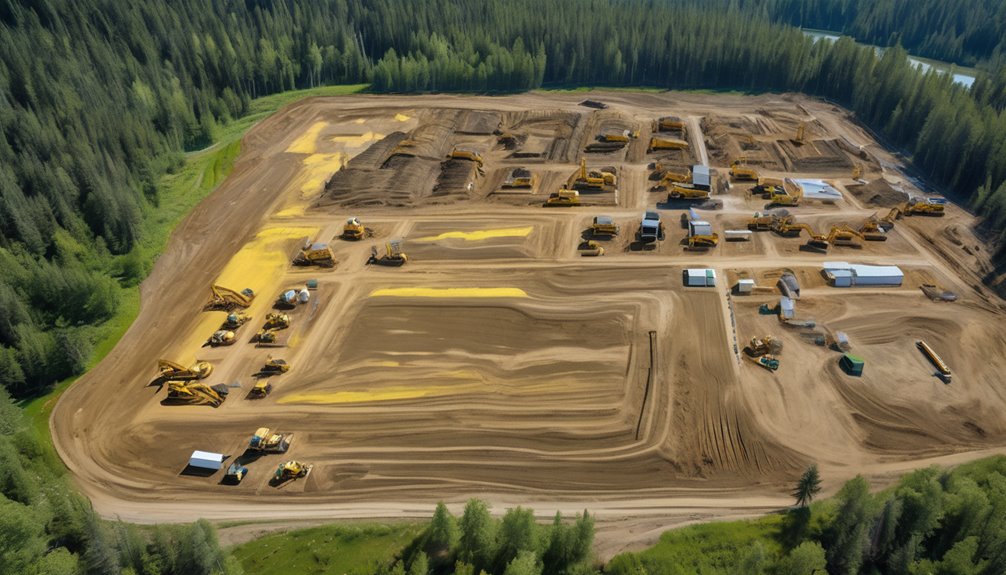
As you embark on clearing and earthwork projects, it’s essential to consider the environmental impact of your activities. Minimizing soil erosion and protecting local wildlife habitats should be top priorities.
Implement strategies like silt fences and sediment basins to manage runoff and maintain water quality. Don’t forget to assess the vegetation on-site; preserving native plants can enhance biodiversity and stabilize the soil.
Also, be mindful of seasonal restrictions to protect nesting birds and other wildlife. Engaging with environmental consultants can help you navigate regulations and best practices.
Managing Responsibilities During Site Disturbance
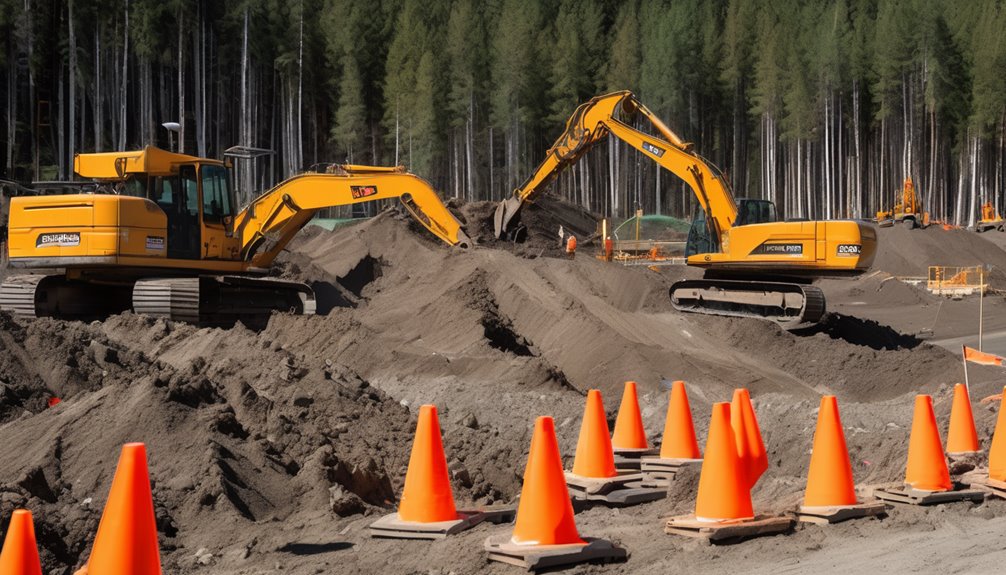
While you’re managing a clearing and earthwork project, it’s crucial to stay vigilant about your responsibilities during site disturbance.
Ensuring the site remains compliant with regulations and safe for workers and the public is key. Here are three essential responsibilities to keep in mind:
- Erosion Control: Implement sediment control measures to prevent soil erosion and protect nearby water bodies from contamination.
- Site Safety: Regularly inspect the site for hazards, ensuring that all workers adhere to safety protocols and wear appropriate personal protective equipment.
- Environmental Protection: Monitor for potential impacts on local wildlife and vegetation, and take necessary measures to mitigate these effects.
Resources for Clearing and Earthwork Contractors in Kootenai County
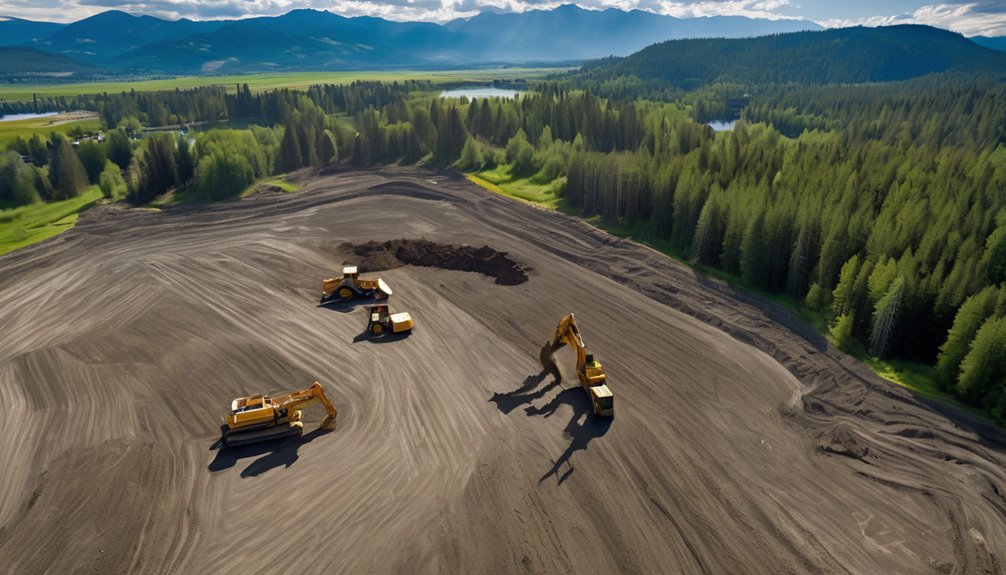
When you’re navigating the complexities of clearing and earthwork projects in Kootenai County, having access to the right resources can make all the difference.
Start by connecting with local trade associations, like the Idaho Associated General Contractors, which offer networking opportunities and industry insights.
Utilize the Kootenai County Planning Department‘s website for permits and regulations you need to follow.
Don’t forget to tap into online forums and social media groups tailored to contractors; they can provide valuable advice and shared experiences.
Local suppliers for equipment and materials also play a crucial role—building strong relationships here can save you time and money.
Finally, consider attending workshops or training sessions to keep your skills sharp and stay updated on best practices.
Frequently Asked Questions
What Is the Duration of a Site Disturbance Bond in Kootenai County?
The duration of a site disturbance bond typically lasts until the project is completed and the site is restored. You’ll want to check local regulations to confirm specific timeframes for Kootenai County projects.
Can I Transfer My Site Disturbance Bond to Another Contractor?
You can’t transfer your site disturbance bond to another contractor. Bonds are typically linked to the original contractor’s license and responsibility. If you need a new contractor, they’ll need to secure their own bond.
What Happens if a Bond Is Forfeited?
If a bond’s forfeited, you’re liable for financial penalties. This means you lose any security posted, and it could affect your reputation and ability to secure future contracts. Always ensure compliance to avoid this situation.
Are There Exemptions for Small Projects Regarding Site Disturbance Bonds?
Yes, there’re often exemptions for small projects regarding site disturbance bonds. You should check local regulations, as they can vary significantly by jurisdiction. Always confirm specific requirements with your municipality to ensure compliance.
How Often Are Bond Amounts Reviewed or Adjusted?
Bond amounts are usually reviewed annually or whenever significant regulatory changes occur. You should stay updated on local regulations as they can impact the required bond amounts for your specific project or situation.
Conclusion
In summary, securing a site disturbance bond is essential for you as a clearing and earthwork contractor in Kootenai County. It not only ensures compliance with local regulations but also protects your financial interests and enhances your reputation. By following the necessary steps and prioritizing environmental considerations, you can manage your responsibilities effectively and contribute positively to the community. Embrace these practices, and you’ll streamline project approvals while safeguarding the environment for future generations.