Get an Instant Quote on Marine Contractor – 3rd Party Contract Bond Now!

As a marine contractor in Pinellas County, Florida, you know the importance of securing contract bonds for your projects. These bonds not only ensure compliance with local regulations but also protect everyone involved in marine construction. Understanding how to navigate this bonding process can significantly enhance your credibility. So, what types of bonds should you consider, and how can they impact your project’s success? Let’s explore the essential details.
Understanding Contract Bonds in Marine Construction
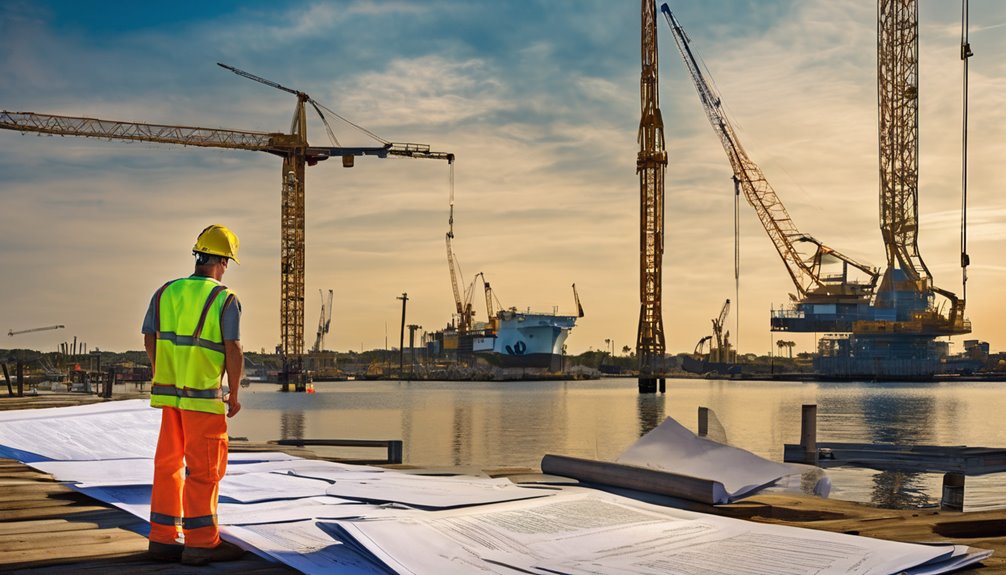
When you’re involved in marine construction, understanding contract bonds is crucial for ensuring project success. These bonds serve as a guarantee that you’ll fulfill your contractual obligations, protecting all parties involved.
Essentially, when you secure a contract bond, you’re demonstrating your reliability and financial stability to clients and stakeholders. There are several types of bonds, including performance bonds and payment bonds, each serving a specific purpose.
Performance bonds ensure that the work is completed according to specifications, while payment bonds guarantee that subcontractors and suppliers get paid. By comprehending how these bonds work, you can better navigate the complexities of marine projects and enhance your credibility in the industry.
Always consult with professionals to ensure you’re choosing the right bond for your needs.
The Role of Contract Bonds in Protecting Stakeholders
Contract bonds play a vital role in safeguarding the interests of all stakeholders involved in marine construction projects. They ensure that the contractor fulfills their obligations, providing a safety net for project owners and investors.
If a contractor fails to deliver as promised, the bond can cover financial losses, allowing you to recover funds and find alternative solutions. This protection fosters trust in the contractor-client relationship, reassuring stakeholders that the project will be completed as planned.
Additionally, contract bonds help maintain industry standards by holding contractors accountable for their work quality and compliance with regulations. By requiring these bonds, you’re not just protecting your investment but also promoting a more reliable and efficient marine construction environment for everyone involved.
Types of Contract Bonds for Marine Contractors
Understanding the various types of contract bonds available for marine contractors is crucial for ensuring project success.
The most common types include performance bonds, which guarantee project completion according to contract terms, and payment bonds, ensuring that subcontractors and suppliers get paid.
Bid bonds are also important; they protect the project owner if a contractor backs out after winning a bid.
Maintenance bonds provide assurance for the upkeep of work for a specified period after project completion.
Lastly, license and permit bonds may be necessary to comply with local regulations.
Each bond serves a specific purpose, and knowing which ones you need can significantly impact your project’s overall effectiveness and your business’s reputation.
Benefits of Contract Bonds for Project Success
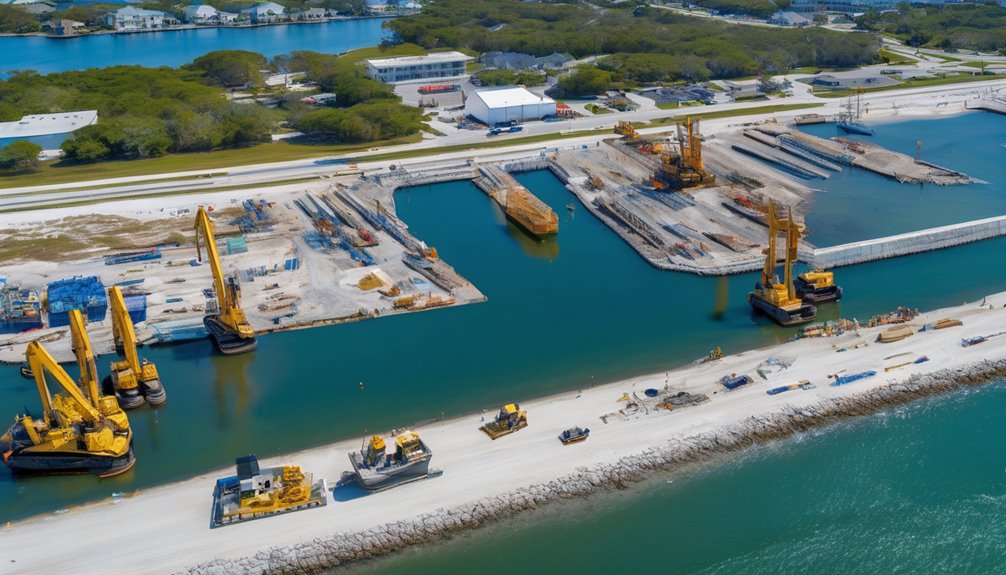
While navigating the complexities of marine construction projects, having contract bonds can significantly enhance your chances of success.
These bonds provide financial security and foster trust between you and your clients. Here are three key benefits:
- Financial Protection: Contract bonds safeguard against financial loss if you can’t complete the project or meet contractual obligations.
- Increased Credibility: Clients often view bonded contractors as more reliable, boosting your reputation and attracting more business.
- Access to Larger Projects: Many government and private contracts require bonds, so having them allows you to bid on bigger, more lucrative projects.
Incorporating contract bonds into your strategy not only protects your interests but also positions you as a trustworthy partner in the marine construction industry.
Navigating the Contract Bond Process in Pinellas County
How do you navigate the contract bond process in Pinellas County?
Start by understanding the specific requirements for marine contractors. You’ll need to gather necessary documents, including your business license and proof of insurance.
Next, connect with a reputable surety company to discuss your bonding needs and get a quote. They’ll assess your financial history and project scope.
Once you receive the bond, review it carefully to ensure it meets local regulations.
Submit the bond to the appropriate county office along with any other required paperwork.
Finally, follow up to confirm that your bond is processed and approved.
With these steps, you’ll be well on your way to successfully navigating the contract bond process in Pinellas County.
Frequently Asked Questions
How Much Does a Contract Bond Typically Cost in Pinellas County?
A contract bond in Pinellas County typically costs around 1% to 3% of the total bond amount. You’ll want to shop around for the best rates and ensure you understand the terms involved.
What Happens if a Contractor Defaults on Their Bond?
If a contractor defaults on their bond, you may file a claim. The surety company investigates, and if valid, pays you up to the bond amount. You’ll still need to pursue the contractor for reimbursement.
Are There Bond Requirements for Small Marine Projects?
Yes, there are bond requirements for small marine projects. You’ll need to check local regulations and ensure you meet any necessary bonding criteria to protect against potential defaults or financial losses during the project.
How Long Does It Take to Obtain a Contract Bond?
It typically takes a few days to a couple of weeks to obtain a contract bond, depending on your financial situation and the bond issuer’s requirements. You’ll want to gather necessary documents to expedite the process.
Can Individuals Act as Marine Contractors for Personal Projects?
Yes, you can act as a marine contractor for personal projects, but you’ll need to ensure you meet local regulations and safety standards. Always check required permits and licenses before starting your work.
Conclusion
In summary, securing contract bonds is essential for marine contractors in Pinellas County. These bonds not only protect stakeholders but also enhance your credibility and reputation in the industry. By understanding the different types of bonds and their benefits, you can ensure project success and compliance with local regulations. Partnering with a reputable surety company will streamline the bonding process, allowing you to focus on delivering quality marine construction projects while safeguarding your financial interests.