Get an Instant Quote on Residential Builder – Compliance Only Contractor’s Surety Bond Now!

As a residential builder in Palm Beach County, Florida, you know compliance isn’t just a suggestion; it’s a necessity. Ensuring your projects meet local codes can safeguard your reputation and financial stability. A contractor’s surety bond plays a pivotal role in this process. It’s more than a formality—it’s a promise to your clients. But what happens if you overlook these compliance measures? The implications might be more significant than you think.
Understanding Compliance in Residential Construction
Understanding compliance in residential construction is crucial for any builder in Palm Beach County. You need to familiarize yourself with local building codes, zoning regulations, and safety standards.
These rules ensure that your projects are safe, legal, and up to the community’s standards. Ignoring compliance can lead to costly fines, project delays, or even legal action.
It’s essential to stay updated on any changes in regulations, as they can affect your current and future projects. You should also maintain accurate records of permits and inspections to demonstrate compliance.
The Importance of Contractor’s Surety Bonds
While some builders may underestimate the value of contractor’s surety bonds, they play a vital role in protecting both your business and your clients.
These bonds guarantee that you’ll complete your projects according to the agreed terms, ensuring financial security for your clients. If you fail to meet your obligations, the bond provides coverage, allowing your clients to recover losses. This not only builds trust but also enhances your reputation in the industry.
Additionally, having a surety bond can be a requirement for obtaining permits, showcasing your professionalism to regulatory bodies.
Ultimately, investing in a contractor’s surety bond safeguards your business while reassuring clients that their investments are protected. It’s a win-win for everyone involved.
Key Regulations for Builders in Palm Beach County

As a builder in Palm Beach County, you need to understand the key regulations that govern your work.
This includes familiarizing yourself with licensing requirements, ensuring compliance with building codes, and navigating the permit application process.
Being aware of these regulations will help you stay compliant and avoid costly delays.
Licensing Requirements Overview
To successfully operate as a residential builder in Palm Beach County, you must navigate a series of licensing requirements that ensure compliance with local regulations.
First, you’ll need to obtain a contractor’s license, which involves passing an exam and providing proof of experience. You also must secure a surety bond to protect clients in case of non-compliance or financial issues.
Don’t forget to register your business with the Florida Department of Business and Professional Regulation. Additionally, you may need specialized licenses depending on the type of work you plan to perform.
Staying updated on any changes in licensing laws is crucial, as this helps you maintain your license and avoid potential fines or penalties.
Building Codes Compliance
Once you’ve secured the necessary licenses, understanding and adhering to building codes is critical for any residential builder in Palm Beach County.
These codes set minimum standards for construction practices, ensuring safety, durability, and energy efficiency. You’ll need to familiarize yourself with local regulations that cover everything from structural integrity to electrical systems and plumbing.
Compliance isn’t just about avoiding fines; it’s also about protecting your clients and your reputation. Regular updates to codes mean you should stay informed about changes. Engaging with local builders’ associations or attending workshops can help you keep your knowledge current.
Permit Application Process
Navigating the permit application process in Palm Beach County can be daunting, especially if you’re unfamiliar with the local regulations.
To get started, you’ll need to gather essential documents like site plans, contractor licenses, and proof of ownership. Make sure your plans comply with zoning codes and building regulations.
Once you have everything ready, submit your application online through the county’s permitting portal. Pay attention to any required fees and timelines, as delays can occur if your application is incomplete.
After submission, the review process will begin, and you may need to address any comments or corrections from the permitting office. Once approved, you’ll receive your permit, allowing you to proceed with your construction project legally.
How Surety Bonds Protect Homeowners

Surety bonds serve as a crucial safety net for homeowners in Palm Beach County, providing financial protection during residential construction projects.
When you hire a contractor, a surety bond guarantees that the work will be completed according to the agreed terms. If the contractor fails to meet their obligations, you can file a claim against the bond. This means you have a source of funds to cover incomplete work or any damages.
Moreover, surety bonds help ensure that contractors comply with local laws and regulations, giving you peace of mind. By choosing a bonded contractor, you’re not just protecting your investment; you’re also promoting accountability and professionalism in the construction process, ensuring your project runs smoothly.
The Process of Obtaining a Contractor’s Surety Bond

When you’re ready to obtain a contractor’s surety bond, it’s crucial to understand the different types available and what each one offers.
You’ll need to meet specific application requirements before moving on to the approval process that follows.
Let’s break down these essential steps to help you navigate the process smoothly.
Bond Types Explained
Obtaining a contractor’s surety bond is a crucial step for builders in Palm Beach County.
There are several types of bonds you might encounter. The most common is the bid bond, which ensures that you’ll honor your bid if awarded the contract.
Then there’s the performance bond, guaranteeing that you’ll complete the project according to the contract specifications.
Payment bonds protect subcontractors and suppliers, ensuring they get paid for their work.
Lastly, there are maintenance bonds, which cover repairs for a specified period after project completion.
Understanding these bond types is vital for you to choose the right one for your project, ensuring compliance and protecting both your interests and those of your clients.
Application Requirements Overview
To successfully navigate the process of obtaining a contractor’s surety bond, you’ll need to gather specific documentation and meet certain requirements.
First, you’ll need to provide proof of your business’s legitimacy, such as a copy of your contractor’s license and tax identification number.
Next, prepare financial statements that demonstrate your stability and ability to fulfill contractual obligations.
Additionally, expect to share personal information, including your credit history, as it plays a crucial role in the bonding process.
Some surety companies might also require references or a detailed project list.
Lastly, be ready to pay any associated fees.
Completing these steps accurately will help streamline your application and set you up for success.
Approval Process Steps
The approval process for obtaining a contractor’s surety bond typically involves several key steps that ensure you meet the necessary criteria.
Here’s what you’ll need to do:
- Gather Required Documents: Collect financial statements, proof of experience, and any licenses.
- Complete the Application: Fill out the bond application accurately and thoroughly.
- Submit an Underwriting Request: The surety company will review your application and documents.
- Review and Approval: The surety will assess your financial stability and risk level.
- Receive the Bond: Once approved, you’ll pay the premium and receive your bond.
Following these steps will help streamline your process and increase your chances of quick approval for your contractor’s surety bond.
Types of Surety Bonds Relevant to Residential Builders

Surety bonds play a crucial role in ensuring that residential builders in Palm Beach County meet their contractual obligations.
As a builder, you’ll likely encounter several types of surety bonds. The most common are performance bonds, which guarantee that you’ll complete the project according to the contract terms.
Payment bonds ensure that subcontractors and suppliers get paid for their work.
Maintenance bonds provide a warranty period after project completion, covering any defects or issues that arise.
Lastly, bid bonds protect project owners in case you fail to honor your bid.
Understanding these bonds helps you make informed decisions and enhances your credibility with clients, ensuring a smoother construction process.
Consequences of Non-Compliance in Construction Projects
When you ignore compliance in construction projects, you open yourself up to serious legal penalties.
These violations can lead to fines and other legal repercussions that can be costly.
Additionally, the financial risks you incur could jeopardize your project’s success and your business’s reputation.
Legal Penalties for Violations
Failing to comply with construction regulations in Palm Beach County can lead to serious legal penalties that impact both you and your project.
These penalties can disrupt your work and even jeopardize your business. Here are some potential consequences you might face:
- Fines: You could incur hefty fines for each violation.
- Stop-work orders: Authorities may halt your project until compliance is achieved.
- License suspension: Your contractor’s license could be suspended or revoked.
- Legal action: You may face lawsuits from affected parties.
- Reputational damage: Non-compliance can harm your credibility in the industry.
Being aware of these penalties can help you prioritize compliance and keep your project on track.
Financial Risks Incurred
Non-compliance in construction projects can lead to significant financial risks that may strain your budget and resources. Fines and penalties can quickly accumulate, draining your finances and impacting your bottom line.
Additionally, delays caused by non-compliance can lead to increased labor and material costs, further stretching your budget. You might also face legal battles if disputes arise, which could result in unexpected expenses.
Furthermore, your project’s reputation could suffer, making it harder to secure future contracts. If you’re forced to halt work for remediation, that lost time can translate into lost profits.
Ultimately, staying compliant isn’t just about following the rules; it’s a strategic move to protect your financial health and ensure project success.
The Role of Local Authorities in Enforcing Compliance
Local authorities play a crucial role in ensuring compliance with building regulations in Palm Beach County, as they’re responsible for enforcing laws that protect public safety and property values.
You’ll find that these authorities take several key actions to maintain compliance:
- Issuing permits: They review and approve plans before construction begins.
- Conducting inspections: Regular checks are made throughout the building process.
- Enforcing codes: They ensure all projects meet local and state building codes.
- Handling violations: When non-compliance occurs, they can impose penalties or halt work.
- Educating builders: Authorities provide resources to help you understand regulations.
Best Practices for Ensuring Compliance in Building Projects
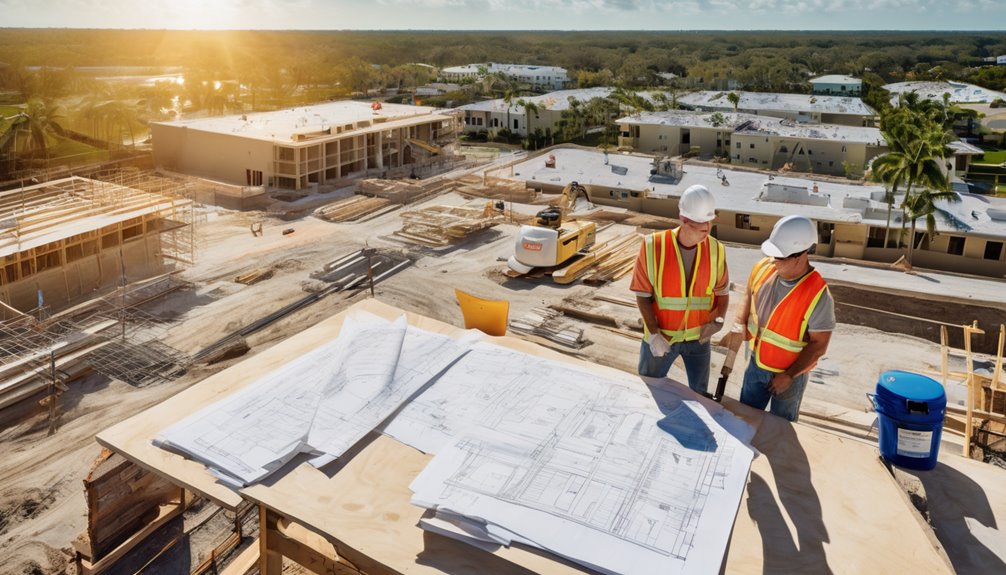
To maintain compliance in your building projects, it’s important to adopt best practices that align with local regulations.
First, familiarize yourself with Palm Beach County’s building codes and zoning laws. Regularly review any updates to ensure you’re always in the loop.
Next, keep thorough documentation of all plans, permits, and inspections. This not only aids in transparency but also serves as a reference in case of disputes.
Additionally, establish a strong communication line with local authorities and inspectors to address any compliance questions early on.
Finally, train your team on compliance standards and encourage a culture of accountability.
Building Trust Through Transparency and Accountability

Building trust in your projects hinges on transparency and accountability, especially when navigating the complexities of residential construction.
By fostering an open dialogue with clients and stakeholders, you can enhance confidence in your work. Here are some ways to promote transparency and accountability:
- Communicate regularly about project progress and any challenges.
- Provide detailed estimates and breakdowns of costs to avoid surprises.
- Document decisions and changes to maintain a clear record.
- Encourage client feedback throughout the project to address concerns promptly.
- Share your credentials and experience to establish credibility.
Frequently Asked Questions
What Is the Cost of a Contractor’s Surety Bond in Palm Beach County?
The cost of a contractor’s surety bond in Palm Beach County varies based on factors like project size and creditworthiness. Generally, you can expect to pay between 1% to 3% of the bond amount required.
How Long Does It Take to Obtain a Surety Bond?
Getting a surety bond usually takes a few hours to a couple of days. You’ll need to provide necessary documentation and information, but once that’s done, the process is often quick and straightforward.
Can Homeowners Request Proof of a Contractor’s Bond?
Yes, you can request proof of a contractor’s bond. It’s your right as a homeowner to ensure that the contractor is properly bonded, protecting you from potential financial loss during a project. Always ask for documentation.
Are There Specific Bond Amounts Required for Different Projects?
Yes, specific bond amounts often vary based on project size and type. You’ll need to check local regulations to determine the exact requirements for your project, as they can differ significantly from one area to another.
What Happens if a Contractor Fails to Comply With Bond Requirements?
If a contractor fails to comply with bond requirements, you risk project delays, legal disputes, and potential financial loss. It’s crucial to understand the implications and ensure all obligations are met to avoid these issues.
Conclusion
In Palm Beach County, prioritizing compliance and obtaining a contractor’s surety bond is essential for your residential building projects. Not only does it protect you and homeowners from potential issues, but it also reinforces your credibility in the industry. By adhering to local regulations and best practices, you build trust and foster strong relationships within the community. Remember, transparency and accountability are key to a successful construction business, ensuring your projects are completed safely and to the highest standards.