Get an Instant Quote on Painting Contractor – Compliance Only Contractor’s Surety Bond Now!

If you’re a painting contractor in Palm Beach County, understanding the importance of a contractor’s surety bond is crucial for your business. This bond not only protects homeowners but also boosts your credibility in a competitive market. You might think it’s just a formality, but it carries significant weight in ensuring compliance with local regulations. What does this mean for you and your clients? Let’s explore the details further.
Understanding Contractor’s Surety Bonds
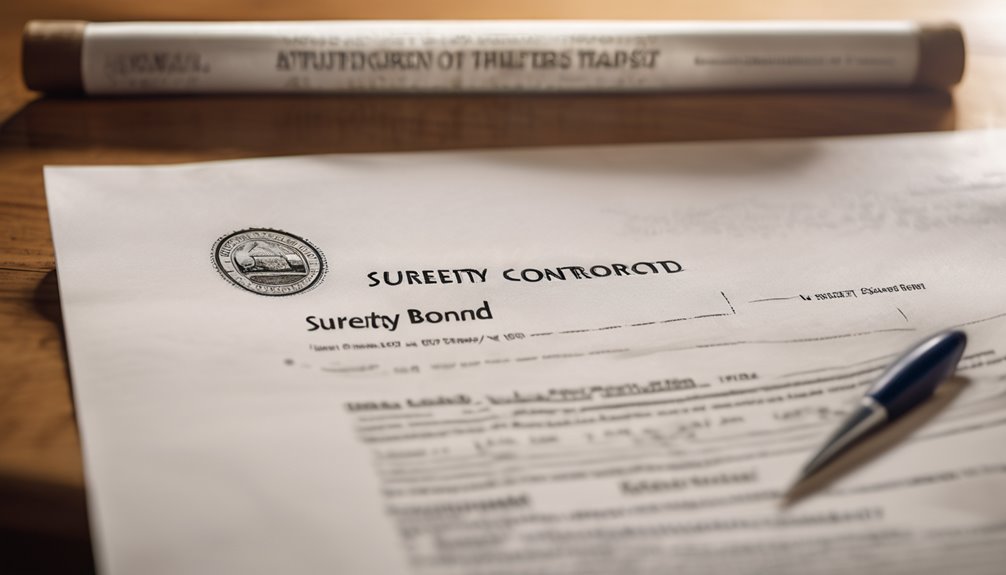
When hiring a painting contractor, understanding surety bonds can help ensure you’re making a smart choice. A surety bond acts as a safety net, guaranteeing that the contractor will complete the job according to the agreed terms.
If the contractor fails to meet their obligations, the bond provides financial protection, allowing you to recover losses. It’s crucial to verify that your contractor holds a valid bond. This not only ensures they’re compliant with local regulations but also reflects their professionalism and reliability.
You can ask for documentation to confirm the bond’s validity and coverage limits. By prioritizing this step, you’re safeguarding your investment and fostering peace of mind throughout the painting project.
Importance of Surety Bonds for Homeowners

When hiring a painting contractor, surety bonds offer you essential financial protection.
They ensure that your contractor is held accountable for their work and comply with local regulations.
Understanding these bonds can help you make informed decisions for your home improvement projects.
Financial Protection for Homeowners
While choosing a painting contractor in Palm Beach County, it’s crucial to consider the financial protection offered by surety bonds. These bonds safeguard your investment and provide peace of mind.
Here’s why they matter:
- Compensation for Incomplete Work: If a contractor fails to finish the job, the surety bond ensures you’re compensated for the loss.
- Quality Assurance: Surety bonds require contractors to adhere to licensing and regulations, ensuring you receive quality work that meets industry standards.
- Dispute Resolution: Should disputes arise, surety bonds can facilitate a smoother resolution process, protecting your rights as a homeowner.
Ensuring Contractor Accountability
Ensuring contractor accountability is paramount for homeowners, especially in a competitive market like Palm Beach County. When you hire a painting contractor, you want peace of mind knowing they’ll deliver quality work and adhere to your agreements.
This is where surety bonds come in. A surety bond guarantees that the contractor will fulfill their obligations, protecting you if they fail to meet standards or complete the job. If issues arise, you have a financial safety net, allowing you to seek compensation for losses.
Legal Compliance Assurance
Understanding the importance of legal compliance is crucial for homeowners hiring a painting contractor in Palm Beach County. Surety bonds provide a layer of protection that ensures contractors adhere to laws and regulations, giving you peace of mind.
Here are three key reasons why surety bonds matter:
- Financial Protection: If a contractor fails to complete the job or meets substandard quality, you can file a claim against their bond to recover losses.
- Regulatory Compliance: Surety bonds ensure that contractors comply with local laws, reducing the risk of legal issues for you as a homeowner.
- Professional Assurance: A bonded contractor signifies reliability and professionalism, assuring you that they’re committed to upholding industry standards.
Investing in a bonded contractor protects your home and investment.
Legal Requirements for Painting Contractors in Palm Beach County
When you’re hiring a painting contractor in Palm Beach County, it’s crucial to understand the legal requirements they must meet.
You’ll want to check their licensing and registration, ensure they’ve the necessary surety bonds, and confirm their insurance and liability coverage.
These steps not only protect you but also help ensure that you’re working with a qualified professional.
Licensing and Registration Requirements
Before you start your painting business in Palm Beach County, it’s crucial to familiarize yourself with the licensing and registration requirements.
Ensuring compliance not only protects you legally but also enhances your credibility with clients. Here are three key steps to follow:
- Obtain a Business License: You’ll need a local business license from the Palm Beach County government to operate legally.
- Register Your Business Name: If you’re using a name other than your legal name, register it with the county clerk’s office.
- Get a Contractor’s License: Depending on your services, you may need to acquire a specific contractor’s license from the Florida Department of Business and Professional Regulation.
Meeting these requirements will set a strong foundation for your painting business.
Surety Bond Necessity
In addition to obtaining the necessary licenses, securing a surety bond is another key legal requirement for painting contractors in Palm Beach County.
This bond serves as a financial guarantee that you’ll adhere to local regulations and fulfill your contractual obligations. If you fail to meet these standards, the bond provides a safety net for your clients, allowing them to seek compensation for any damages or incomplete work.
It’s not just a formality; it protects both you and your customers. You must obtain a surety bond to operate legally and build trust in your business.
Make sure you understand the specific bonding requirements in your jurisdiction to ensure compliance and avoid potential legal issues down the road.
Insurance and Liability Obligations
While securing a surety bond is crucial, understanding your insurance and liability obligations is equally important for painting contractors in Palm Beach County.
Having the right coverage protects you from unforeseen events that could jeopardize your business. Here are three key insurance types you should consider:
- General Liability Insurance: This covers property damage and bodily injury claims that may arise during your work.
- Workers’ Compensation Insurance: If you have employees, this is essential to cover medical expenses and lost wages in case of work-related injuries.
- Professional Liability Insurance: This protects you against claims of negligence or failure to deliver services as promised.
Ensure you’re compliant with local regulations to safeguard your business and enhance your credibility.
How to Verify a Contractor’s Surety Bond
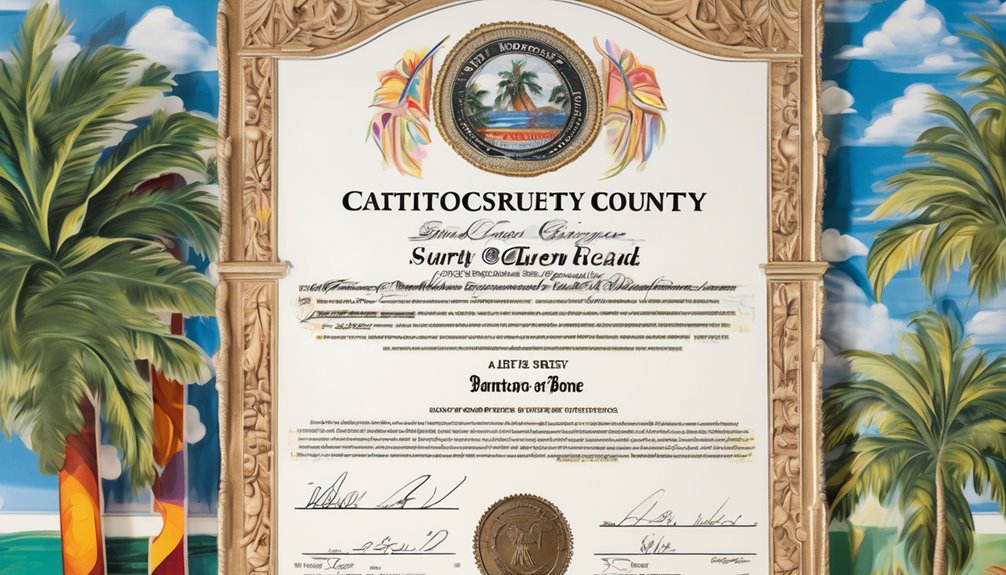
How can you ensure that a contractor’s surety bond is legitimate? First, ask the contractor for a copy of their bond. It should include the bond number, the issuing company, and the coverage amount.
Next, contact the surety company directly to confirm the bond’s validity. They can verify if the bond is active and properly issued.
Also, check if the contractor is licensed in Palm Beach County, as this often correlates with compliance.
Additionally, look for online reviews or any complaints against the contractor, which might indicate problems.
The Process of Obtaining a Surety Bond
After verifying a contractor’s surety bond, you might wonder about the steps involved in obtaining one. The process is straightforward, and you can navigate it with ease. Here’s what you need to do:
- Assess Your Needs: Determine the bond amount required for your specific project or licensing requirements.
- Gather Documentation: Collect necessary information, such as your business financials, credit history, and any relevant licenses or permits.
- Apply with a Surety Provider: Submit your application to a surety company, which will evaluate your creditworthiness and financial stability before issuing the bond.
Common Misconceptions About Surety Bonds

Many people misunderstand what surety bonds are and how they function, leading to confusion in the contracting world.
One common misconception is that a surety bond is insurance for contractors. In reality, it’s a guarantee that you’ll fulfill your contractual obligations. If you fail to do so, the surety company steps in to cover the costs, but you’ll still be responsible for repayment.
Another myth is that only large companies need bonds; in fact, many small contractors require them to secure projects.
Lastly, some think bonds are too complicated or expensive. However, with the right guidance, obtaining a surety bond can be straightforward and cost-effective, providing you protection and credibility in your contracting endeavors.
Frequently Asked Questions
What Happens if a Contractor Does Not Have a Surety Bond?
If a contractor doesn’t have a surety bond, you might face financial risks. Projects could stall, and you could end up footing unexpected bills, as there’s no financial guarantee for completion or quality assurance.
Can Homeowners Be Liable if a Contractor Lacks a Bond?
Yes, homeowners can be liable if a contractor lacks a bond. If the contractor fails to meet obligations or causes damage, you might end up responsible for costs or legal issues arising from their actions.
How Long Does a Surety Bond Typically Last?
A surety bond typically lasts for one year, but it can vary based on the terms agreed upon. You should check the specific bond details to know its duration and any renewal requirements.
Are There Different Types of Surety Bonds for Contractors?
Yes, there are different types of surety bonds for contractors. You’ll encounter bid bonds, performance bonds, and payment bonds, each serving unique purposes in ensuring project completion and financial protection for all parties involved.
What Is the Cost of Obtaining a Surety Bond?
The cost of obtaining a surety bond varies based on factors like your credit score and the bond amount. Typically, you’ll pay a percentage of the total bond value, usually ranging from 1% to 15%.
Conclusion
In conclusion, securing a contractor’s surety bond is essential for painting contractors in Palm Beach County. It not only meets legal requirements but also protects homeowners by ensuring accountability and quality work. By verifying a contractor’s bond and understanding the process of obtaining one, you can make informed decisions and foster trust in your contracting relationships. Don’t overlook this critical step—it’s key to a successful and stress-free home improvement experience.