Get an Instant Quote on Contractor’s Performance Bond (General Contractor – 3rd Party Liability) Now!

As a general contractor in Orange County, Florida, you face unique challenges, especially when it comes to third-party liability. Understanding how this liability impacts your projects is crucial for both your reputation and financial security. You’ll also need to consider securing a performance bond, which ensures you meet contractual obligations. But what exactly do these elements entail, and how can they safeguard your interests? Let’s explore the details further.
Understanding Third-Party Liability in Construction Projects

When you embark on a construction project, understanding third-party liability is crucial, as it can significantly impact your responsibilities and potential risks.
In essence, third-party liability refers to the legal obligations you may have towards individuals who aren’t directly involved in your project, such as bystanders or neighboring property owners. If an accident occurs or damage arises during your work, you could be held accountable for their injuries or property damage.
This means you need to stay vigilant about safety protocols and ensure compliance with local regulations. Knowing the legal framework surrounding third-party liability helps you anticipate and mitigate risks, safeguarding your financial interests and reputation.
Ultimately, being proactive in understanding these liabilities is vital for a successful construction project.
The Importance of Third-Party Liability Insurance
Understanding third-party liability highlights the need for robust protection in construction projects.
As a contractor, you face numerous risks that could lead to costly claims from clients, visitors, or subcontractors. Third-party liability insurance safeguards you against these unexpected events, covering damages or injuries that might occur on the job site.
If someone gets hurt or property is damaged due to your work, this insurance helps pay for legal fees and settlements, protecting your finances and reputation. Without it, you could face significant out-of-pocket expenses that can jeopardize your business.
What Is a Contractor’s Performance Bond?

A contractor’s performance bond serves as a financial guarantee that you’ll complete a project according to the agreed-upon terms and conditions.
This bond protects project owners by ensuring that if you fail to meet your obligations, the bond issuer will compensate them for any financial loss.
It establishes a level of trust between you and your clients, demonstrating your commitment to quality work and adherence to deadlines.
Obtaining a performance bond often requires you to provide proof of your financial stability and experience.
Keep in mind that having this bond can enhance your credibility in the competitive construction industry, making it easier for you to secure contracts and build a solid reputation with clients and stakeholders.
How Performance Bonds Protect Homeowners and Businesses

Performance bonds play a vital role in protecting homeowners and businesses during construction projects. When you hire a contractor, a performance bond ensures that they’ll complete the job according to the agreed terms. If the contractor fails to deliver, the bond provides financial recourse, allowing you to recover losses and seek out another contractor without bearing the full financial burden.
This security gives you peace of mind, knowing that you’re protected against project delays, subpar work, or even contractor bankruptcy. By requiring a performance bond, you’re not only safeguarding your investment but also encouraging contractors to uphold high standards.
In essence, performance bonds create accountability, making the entire construction process smoother and more reliable for everyone involved.
The Process of Obtaining a Performance Bond

When you apply for a performance bond, you’ll need to meet specific bond application requirements.
Understanding the underwriting process is crucial, as it determines your eligibility and the bond amount.
Additionally, various cost factors can influence the overall price, so it’s important to be prepared.
Bond Application Requirements
Obtaining a performance bond involves several key steps that ensure both you and your clients are protected throughout a construction project.
First, you’ll need to gather essential documentation, including your business financial statements, tax returns, and information about the project.
Next, you should complete the bond application form accurately and thoroughly, as any discrepancies can delay the process.
You’ll also need to provide details about your experience and qualifications as a contractor. It’s crucial to demonstrate your capability to complete the project successfully.
Finally, be prepared to pay a premium for the bond, which is often based on the project’s total cost and your creditworthiness.
Following these requirements will pave the way for obtaining your performance bond.
Underwriting Process Explained
How does the underwriting process work for securing a performance bond?
First, you’ll complete a bond application detailing your business and project specifics. Underwriters will then assess your financial stability, experience, and creditworthiness.
They’ll review your company’s history, including past projects and any claims or disputes. You might need to provide personal financial statements or collateral, depending on the bond amount and your risk profile.
Once everything’s reviewed, the underwriter will determine your eligibility and the bond terms. If approved, you’ll receive a bond quote and can finalize the bond purchase.
This process helps ensure that you can fulfill your contractual obligations, protecting both you and the project owner.
Cost Factors Involved
Understanding the cost factors involved in securing a performance bond can help you budget effectively for your construction project. The primary cost is the premium, typically ranging from 1% to 3% of the total contract value. Your credit score, business financials, and project size can influence this percentage.
Additional fees may apply, such as administrative costs or underwriting fees, depending on the surety company you choose. It’s also essential to consider the bond’s duration; longer projects might incur higher costs.
Be prepared to provide documentation that showcases your financial stability and project details, as this can affect the overall cost. By knowing these factors, you can better estimate the financial commitment required for your bond.
Common Issues Covered by Performance Bonds
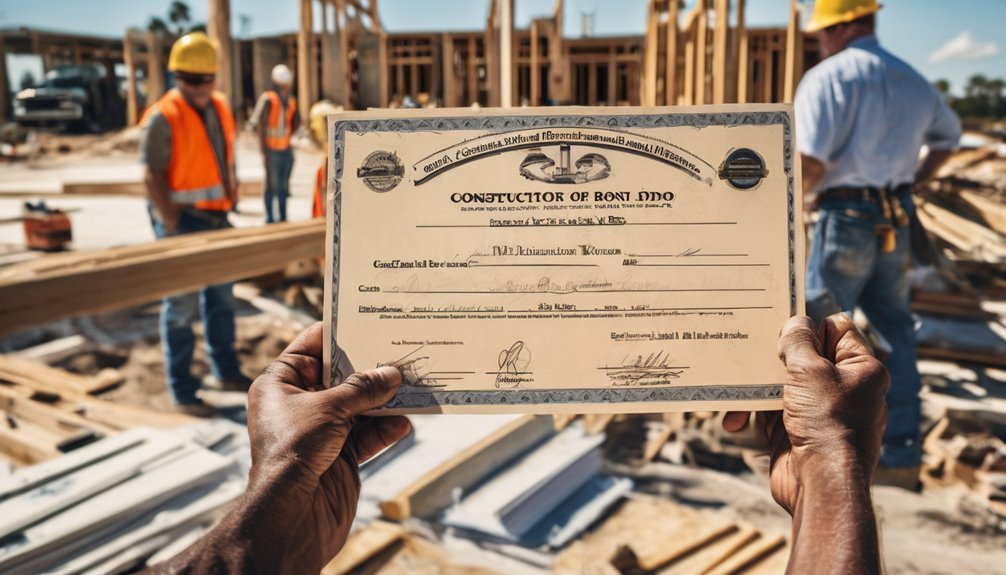
When you secure a performance bond, it’s essential to know the common issues it covers.
These typically include project delays and defaults, claims from unpaid subcontractors, and concerns about the quality of work.
Understanding these aspects can help you navigate potential risks more effectively.
Project Delays and Defaults
While project delays and defaults can create significant headaches for contractors and clients alike, performance bonds serve as a crucial safety net. They help ensure that your project stays on track and that any unforeseen issues are managed effectively.
When you encounter delays, whether due to weather, subcontractor issues, or supply chain disruptions, a performance bond can provide financial protection. If you default on your contract, the bond guarantees that the project will be completed by another contractor, minimizing losses for your client.
This not only preserves your reputation but also protects your financial investment. By securing a performance bond, you’re taking proactive steps to navigate the complexities of construction projects and reinforce trust with clients.
Unpaid Subcontractor Claims
One of the most pressing issues contractors face is unpaid subcontractor claims, which can derail a project and lead to financial turmoil.
When subcontractors aren’t compensated, they may file claims against you, creating legal headaches and potential delays. These claims often stem from disputes over payment schedules, project scope changes, or inadequate communication.
Without a performance bond, you risk bearing the full financial burden, as the bond serves as a safety net for unpaid claims. It ensures that subcontractors receive payment, helping maintain project momentum and your reputation.
Quality of Work Issues
Quality of work issues can significantly impact your project’s success, especially if subcontractors fail to meet agreed-upon standards. If you encounter subpar workmanship, it can lead to delays, increased costs, and even legal disputes.
Performance bonds are designed to protect you from these risks by ensuring that the contractor fulfills their obligations. If the work isn’t completed to specifications, the bond can cover the costs of hiring another contractor to fix the issues. This financial safety net allows you to focus on your project’s overall success without worrying about unexpected expenses.
Understanding the importance of quality in contracting helps you make informed decisions and select reliable professionals for your projects. Always prioritize quality to avoid costly setbacks.
Making Informed Decisions When Hiring a Contractor

When you’re ready to hire a contractor, it’s essential to do your homework to ensure you’re making the right choice. Start by checking their licenses and insurance coverage. A legitimate contractor should have both to protect you and themselves.
Next, ask for references and review past projects; this gives you insight into their work quality. Don’t hesitate to read online reviews, but be cautious of overly positive or negative feedback.
Always get multiple quotes to compare pricing and services. Finally, trust your instincts—if something feels off, it probably is. Clear communication is key, so ensure they understand your vision.
Frequently Asked Questions
How Does Third-Party Liability Insurance Differ From General Liability Insurance?
Third-party liability insurance specifically covers claims made by non-employees for injuries or damages, while general liability insurance encompasses a broader range of risks, including property damage and bodily injury resulting from your business operations.
What Specific Risks Does a Contractor’s Performance Bond Cover?
A contractor’s performance bond covers risks like project completion delays, contractor defaults, and failure to adhere to contract specifications. It ensures financial protection for project owners, giving you peace of mind during construction.
Can Homeowners Require Contractors to Obtain Additional Insurance?
Yes, you can require contractors to obtain additional insurance. It’s a smart move that protects you from potential damages or issues. Just make sure to specify the type and amount of coverage needed in your agreement.
What Happens if a Contractor Fails to Fulfill Their Performance Bond Obligations?
If a contractor fails to fulfill their performance bond obligations, you can file a claim against the bond. This may help you recover losses or ensure the project’s completion, protecting your investment and interests.
Are Performance Bonds Transferable to New Property Owners?
Performance bonds aren’t typically transferable to new property owners. When you sell your property, the bond remains with the original contractor. You should check the specific terms to understand any exceptions that might apply.
Conclusion
In Orange County, Florida, understanding third-party liability and securing a performance bond are crucial for general contractors. These protections not only safeguard you from potential legal issues but also build trust with homeowners and businesses. By ensuring you have the right insurance and bonds in place, you can confidently navigate construction projects while maintaining high standards. When hiring a contractor, make informed decisions to protect your interests and foster a successful partnership.