Get an Instant Quote on Contractor’s Performance Bond (Cement Contractor – Compliance Only) Now!

When it comes to cement contracting in Orange County, Florida, compliance isn’t just a suggestion—it’s a necessity. You need to understand how performance bonds work and why they’re vital for protecting your investment. These bonds not only ensure that the contractor meets their commitments but also reflect their dedication to quality and adherence to local regulations. So, what should you consider when hiring a cement contractor to guarantee your project stays on track?
Understanding Performance Bonds in Construction
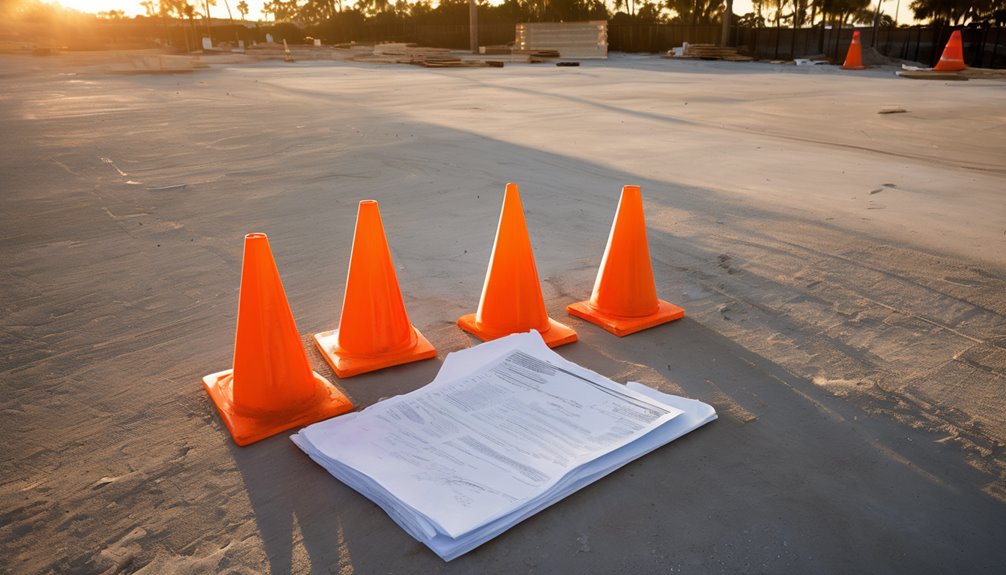
Performance bonds play a crucial role in the construction industry, serving as a safety net for project owners. When you engage a contractor, these bonds ensure that they’ll complete the project as agreed.
If the contractor fails to meet their obligations, the bond provides financial protection, allowing you to recover losses and hire someone else to finish the work. You’ll find performance bonds particularly important in large-scale projects, where the stakes are high.
As a project owner, it’s essential to verify that your contractor holds a valid performance bond before starting any work. This not only safeguards your investment but also fosters trust in the contractor’s ability to deliver quality results on time.
Make sure you understand this crucial aspect of your project.
The Importance of Compliance for Cement Contractors

As a cement contractor, understanding legal requirements is crucial for your success and reputation.
Compliance not only helps you avoid costly penalties but also strengthens your risk mitigation strategies.
Legal Requirements Overview
Understanding the legal requirements for cement contractors in Orange County, Florida, is crucial for ensuring compliance and avoiding costly penalties.
You’ll need to familiarize yourself with local building codes, zoning laws, and safety regulations. Obtaining the necessary licenses and permits is essential before starting any project.
Additionally, you must adhere to environmental regulations that govern waste disposal and noise levels. Failure to comply with these legal standards can lead to fines or work stoppages, impacting your reputation and profitability.
Staying informed about changes in legislation is also important, as laws can evolve. By prioritizing compliance, you not only protect your business but also contribute to a safer and more sustainable construction environment.
Risk Mitigation Strategies
Compliance isn’t just about following the law; it’s a vital strategy for mitigating risks that cement contractors face. By adhering to regulations and standards, you reduce the chances of costly fines and legal disputes that can arise from non-compliance.
Ensuring your projects meet safety guidelines protects your workers and enhances your reputation in the industry. Regular training and updates on compliance requirements will keep your team aware and prepared, minimizing errors and accidents.
Additionally, securing a performance bond not only demonstrates your reliability but also provides financial protection against potential project failures.
Ultimately, a proactive approach to compliance fosters trust with clients and stakeholders, paving the way for successful, long-term business relationships.
How Performance Bonds Protect Homeowners and Developers

When you choose to work with a cement contractor, knowing that a performance bond is in place can give you peace of mind. This bond acts as a safety net, ensuring that your project runs smoothly and as expected. It protects you in several ways:
- Financial Security: If the contractor fails to complete the work, the bond covers the costs to hire another contractor.
- Quality Assurance: It guarantees that the work will meet industry standards, reducing the risk of subpar results.
- Dispute Resolution: Should any issues arise, the bond provides a clear process for addressing them, protecting your investment.
With these protections in place, you can feel confident that your project is in good hands.
The Process of Obtaining a Performance Bond

Securing a performance bond is a straightforward process, provided you know the steps involved.
First, gather the necessary documents, including your business information, financial statements, and project details.
Next, research bonding companies that specialize in performance bonds and request quotes. Compare their rates and terms to find the best fit for your needs.
Once you’ve selected a bonding company, complete their application form and provide the required documentation.
The bonding company will assess your financial stability and project risk before issuing the bond.
After approval, pay the premium, and you’ll receive your performance bond.
Make sure to keep a copy for your records, as you’ll need it throughout your project.
Key Factors to Consider When Hiring a Cement Contractor
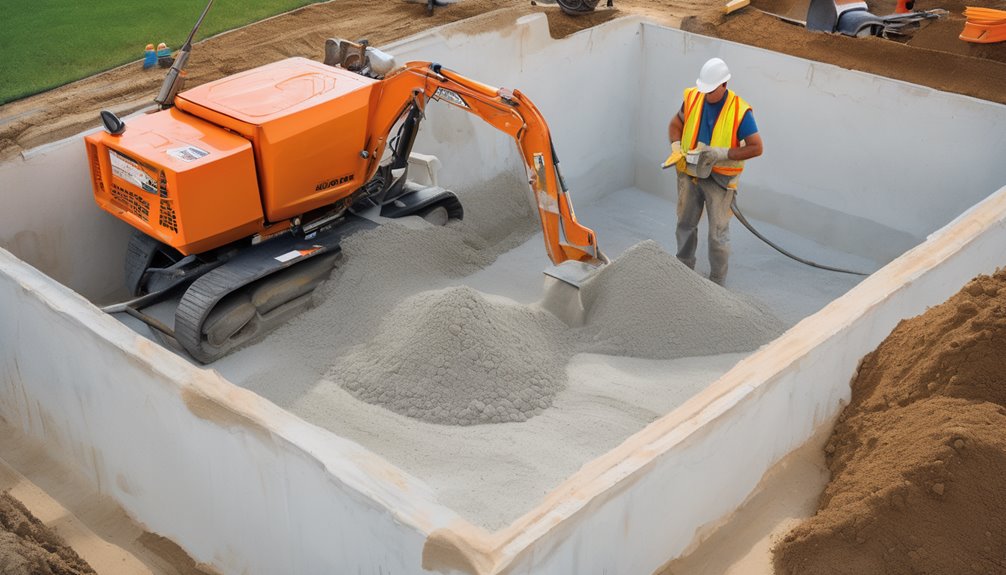
When you’re hiring a cement contractor, you need to consider their experience and expertise to ensure quality work.
Additionally, check their licensing and insurance to protect yourself from potential liabilities.
Finally, discuss project timelines and budgets upfront to avoid any surprises down the road.
Experience and Expertise
Choosing the right cement contractor hinges on their experience and expertise in the field. You want someone who understands the nuances of cement work and can deliver quality results.
Consider these key factors:
- Years in Business: Look for a contractor with a solid track record. Experience often translates to skill and reliability.
- Specialization: Ensure they specialize in the type of project you have. Whether it’s residential, commercial, or industrial, expertise matters.
- Portfolio of Work: Review their past projects to assess quality and style. A well-documented portfolio can give you confidence in their abilities.
Licensing and Insurance
Before you hire a cement contractor, it’s crucial to verify their licensing and insurance. A valid license ensures that the contractor meets state regulations and has the necessary qualifications to perform the job safely and effectively. You can check their license status online through your state’s contractor licensing board.
Insurance is equally important; it protects you from liability in case of accidents or damage during the project. Make sure the contractor carries both general liability insurance and workers’ compensation.
Request certificates of insurance for verification. If a contractor hesitates to provide this information, it’s a red flag. Ensuring proper licensing and insurance not only safeguards your project but also fosters peace of mind throughout the construction process.
Project Timelines and Budgets
Understanding project timelines and budgets is essential for a successful cement contracting experience. When hiring a cement contractor, keep these key factors in mind:
- Timeline Clarity: Discuss the expected project timeline upfront. Make sure your contractor gives you a realistic schedule that includes all phases of work.
- Budget Accuracy: Get a detailed breakdown of costs. Ensure you understand materials, labor, and any potential extra charges that may arise.
- Contingency Planning: Prepare for the unexpected. A good contractor should help you budget for unforeseen circumstances, ensuring your project stays on track.
Ensuring Quality and Accountability in Construction Projects

While navigating the complexities of construction projects, ensuring quality and accountability is essential for success. You need to establish clear expectations from the outset. This means defining project specifications, timelines, and budget constraints.
Regular communication with your team and stakeholders helps maintain transparency and fosters collaboration. Implementing quality control measures throughout the construction process is vital; conduct inspections and reviews to catch issues early.
Additionally, documenting each phase of the project holds everyone accountable and provides a reference if disputes arise. By prioritizing quality and accountability, you not only enhance the final product but also build trust with clients and partners.
Ultimately, this leads to repeat business and a solid reputation in the industry.
Frequently Asked Questions
What Is the Cost of a Performance Bond for Cement Contractors?
The cost of a performance bond varies based on project size and contractor’s creditworthiness. Generally, it ranges from 1% to 3% of the total contract value, so you should budget accordingly for your specific needs.
How Long Does It Take to Obtain a Performance Bond?
Obtaining a performance bond typically takes a few days to a couple of weeks, depending on the complexity of your project and the bonding company’s requirements. You’ll need to provide necessary documents for a smooth process.
Can a Performance Bond Be Transferred to Another Contractor?
You can’t typically transfer a performance bond to another contractor. The bond is tied to the original contractor’s obligations and performance. If needed, a new contractor must obtain a separate performance bond for their project.
What Happens if a Contractor Defaults on Their Performance Bond?
If a contractor defaults on their performance bond, you’ll typically file a claim against the bond. The bond provider may pay for the losses or hire another contractor to complete the project, protecting your interests.
Are Performance Bonds Required for All Construction Projects in Orange County?
No, performance bonds aren’t required for all construction projects in Orange County. However, they’re often necessary for larger projects or public contracts. You should check local regulations and requirements for specific projects you’re considering.
Conclusion
In Orange County, prioritizing compliance and securing a performance bond are crucial steps for cement contractors. By doing so, you not only protect your investment but also ensure that your project meets local building codes and safety regulations. Choosing a contractor who values these aspects guarantees quality work and accountability throughout the construction process. So, when selecting a cement contractor, make sure they’re committed to compliance and have the necessary performance bond to safeguard your project.