Get an Instant Quote on Homeowners Recovery Fund – Hernando County Bond (Concrete Contractor – 3rd Party Liability) Now!

When hiring a concrete contractor in Hernando County, you need to understand the critical role of third-party liability coverage and bonding requirements. These factors not only protect you as a homeowner but also enhance the contractor’s credibility. The Florida Homeowners Recovery Fund adds another layer of security, safeguarding you against potential contractor misconduct. But what happens if your contractor doesn’t meet these standards? Exploring this could change how you approach your next project.
Understanding the Florida Homeowners Recovery Fund
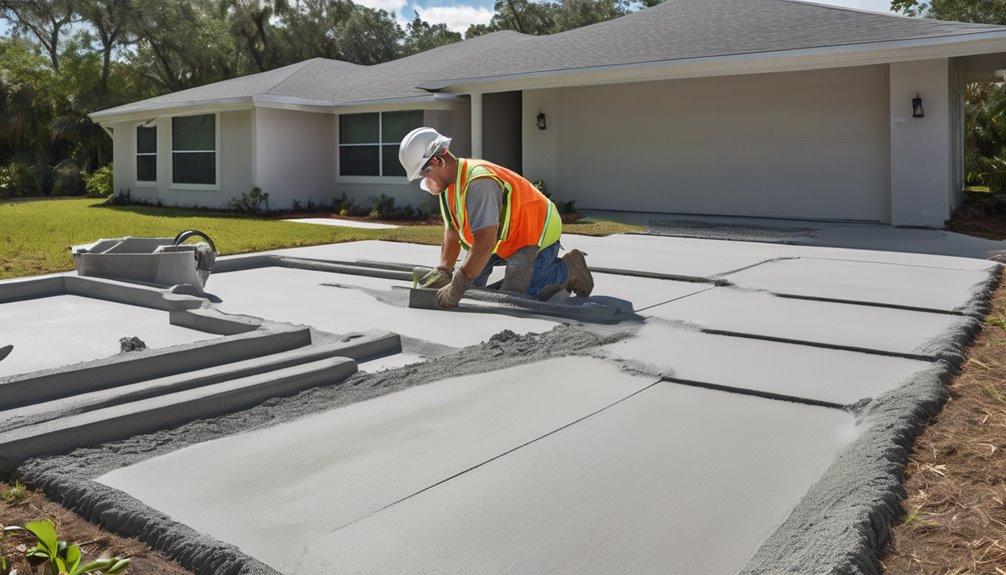
When you hire a concrete contractor in Florida, it’s crucial to understand the Florida Homeowners Recovery Fund, as it can provide financial relief in case of contractor misconduct.
This fund helps homeowners recover losses due to a contractor’s fraud, negligence, or failure to complete a job. If your contractor doesn’t meet their obligations, you can file a claim against this fund, which may cover damages up to a specific limit.
To qualify, you’ll need to provide evidence of the contractor’s wrongdoing and follow the fund’s guidelines. Familiarizing yourself with this resource can give you peace of mind, knowing there’s a safety net if things go wrong.
Always check if your contractor is eligible for this protection before signing a contract.
Importance of the 3rd Party Liability Coverage

When you’re a concrete contractor, having 3rd party liability coverage isn’t just smart—it’s essential.
This coverage offers crucial financial protection for homeowners while also fulfilling your legal obligations.
Without it, you could face serious risks that impact both your business and your clients.
Financial Protection for Homeowners
Homeowners often find themselves in a vulnerable position when hiring concrete contractors, making it crucial to understand the importance of third-party liability coverage.
This coverage protects you financially if an accident occurs during the project, such as property damage or injury to a third party. Without it, you could face hefty repair bills or legal fees, putting your finances at risk.
When you hire a contractor with liability coverage, you gain peace of mind, knowing you’re shielded from unexpected expenses.
It also adds a layer of professionalism, ensuring the contractor takes their responsibilities seriously.
Ultimately, prioritizing third-party liability coverage not only safeguards your investment but also helps foster a safer working environment for everyone involved.
Legal Obligations for Contractors
Navigating the complexities of legal obligations is essential for concrete contractors in Florida, especially regarding third-party liability coverage. This coverage protects you against claims made by third parties for bodily injury or property damage that occurs during your work.
Without it, you could face significant financial risks if an accident happens. Florida law mandates that contractors maintain this liability insurance to ensure they can cover potential claims, safeguarding both their business and their clients.
Additionally, being compliant enhances your credibility and helps attract more clients. By prioritizing this coverage, you not only fulfill your legal duties but also establish trust with homeowners, ensuring a smoother working relationship and peace of mind for everyone involved.
Bonding Requirements for Contractors in Hernando County
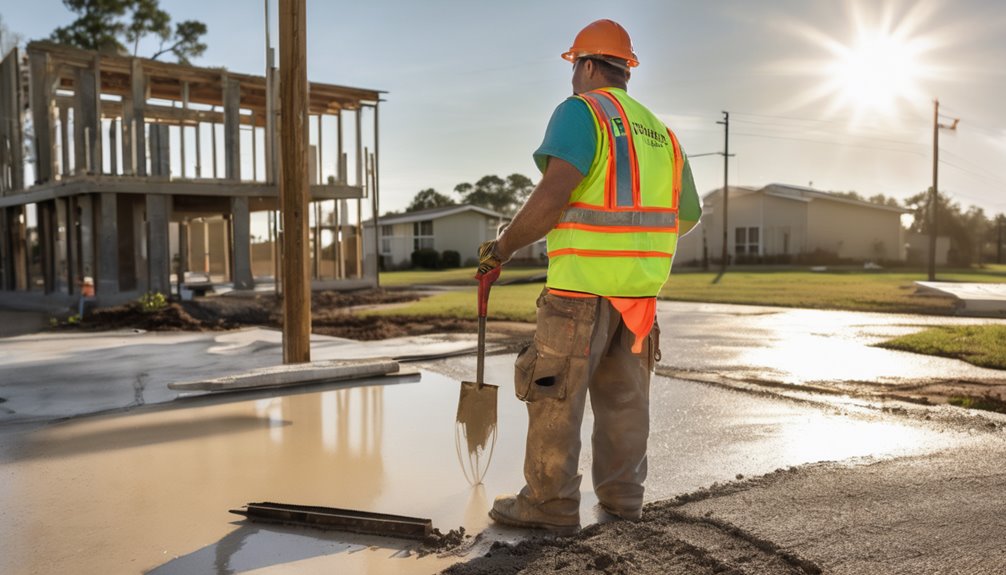
In Hernando County, contractors must meet specific bonding requirements to operate legally and protect themselves and their clients.
Having the right bonds not only ensures compliance with local laws but also builds trust with your customers.
Here are some key bonding requirements you should know:
- A general liability bond to cover damages or accidents.
- A performance bond ensuring project completion as per contract terms.
- A license bond to validate your right to work as a contractor.
- An upfront fee based on project scope and contract value.
- Proof of insurance to safeguard against potential liabilities.
The Application Process for Contractor Bonds

Although applying for contractor bonds may seem daunting, understanding the process can simplify your journey.
First, gather the necessary documentation, including your business license, financial statements, and any relevant certifications.
Next, research bonding companies that operate in Hernando County, as they’ll have specific requirements.
Once you’ve selected a company, complete their application form accurately, ensuring you provide all requested information. You may also need to undergo a credit check, so be prepared for that.
After submission, the bonding company will evaluate your application and may ask for additional information.
Once approved, you’ll need to pay the bond premium before receiving your bond certificate.
With these steps, you’ll be well on your way to securing your contractor bond.
How the Recovery Fund Protects Homeowners
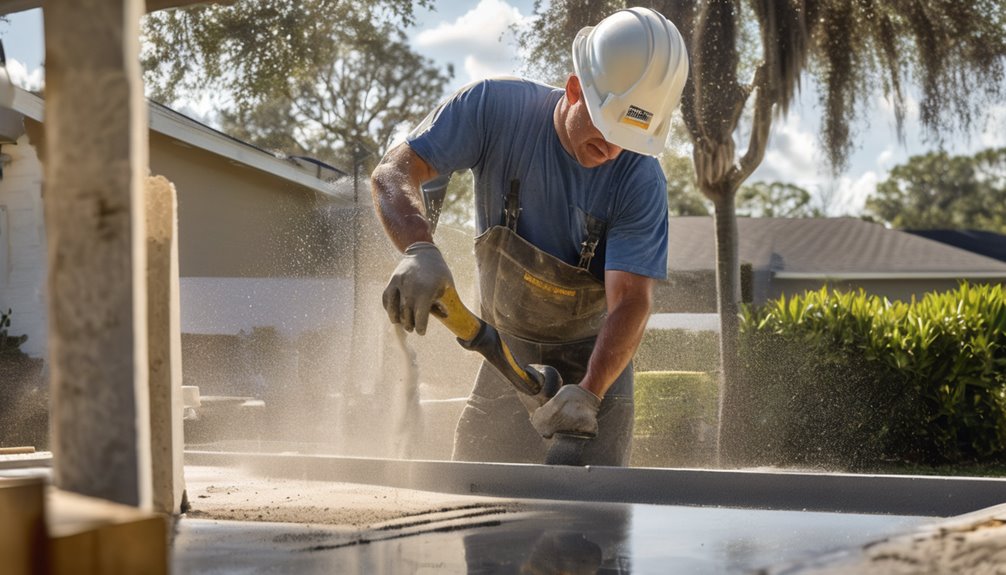
When homeowners face financial losses due to a contractor’s misconduct, the Recovery Fund serves as a vital safety net. This fund helps you recover your losses when a contractor fails to meet their obligations. It ensures that you’re not left to bear the financial burden alone.
Here are some key ways the Recovery Fund protects you:
- Provides financial compensation for unfulfilled contracts
- Covers damages caused by contractor negligence
- Offers peace of mind when hiring contractors
- Encourages accountability within the contracting industry
- Promotes consumer confidence in home improvement projects
With these protections in place, you can undertake home projects knowing there’s a safety net if things go wrong. The Recovery Fund is truly a homeowner’s ally in Florida.
Consequences of Contractor Negligence
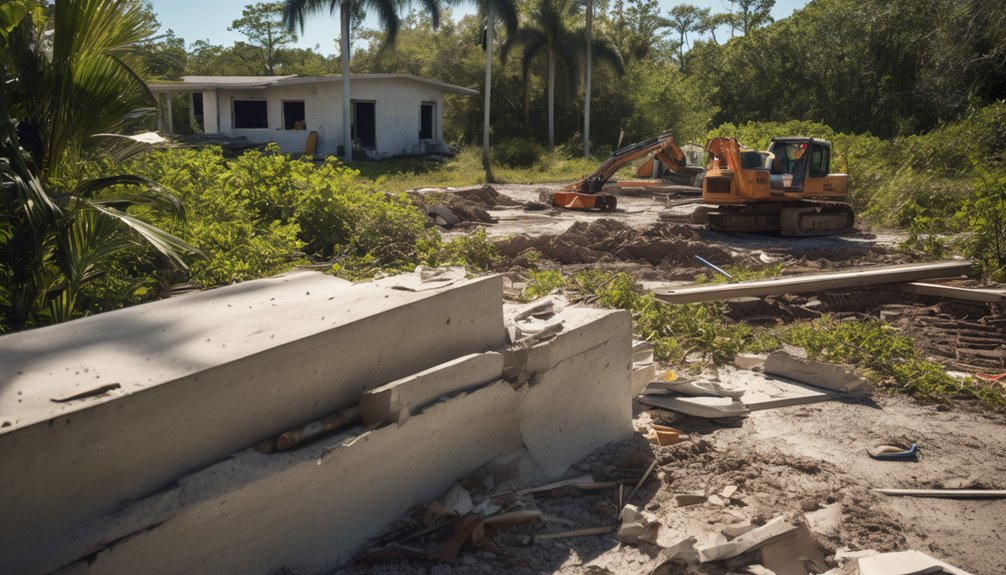
When a contractor acts negligently, you might face serious legal and financial consequences.
Not only could you be held liable for damages, but your reputation can also take a significant hit.
Understanding these impacts is crucial for protecting yourself and your business.
Legal Liabilities Explained
Understanding the legal liabilities that arise from contractor negligence is crucial for anyone hiring a concrete contractor in Florida. When a contractor fails to meet industry standards or acts irresponsibly, you could face significant consequences.
Here are some key points to consider:
- Breach of Contract: If the contractor doesn’t fulfill the terms agreed upon, you can seek legal remedies.
- Negligence Claims: You may file a claim if their actions lead to property damage or injury.
- Inadequate Insurance Coverage: Insufficient insurance can leave you financially exposed.
- Regulatory Violations: Non-compliance with local codes may result in fines or legal action.
- Reputation Damage: Hiring a negligent contractor can tarnish your project’s reputation, affecting future opportunities.
Stay informed to protect yourself and your investment.
Financial Consequences Overview
Contractor negligence can lead to substantial financial consequences that impact your project and wallet. If a contractor fails to meet industry standards, you might face costly repairs or even complete project rework. This can significantly increase your expenses, stretching your budget thin.
Additionally, you may incur costs from delays, as a slow project can lead to further financial strain and lost opportunities. If a contractor’s negligence causes damage to your property or that of a neighbor, you could be held liable for those repairs, leading to even more expenses.
Lastly, legal fees from disputes or claims can add up quickly, leaving you in a tough financial situation. Protecting yourself starts with choosing a qualified contractor.
Impact on Reputation
Reputation is crucial in the construction industry, and contractor negligence can severely damage yours. When clients perceive you as unreliable, it’s tough to regain their trust.
One poor project can lead to negative reviews, impacting your ability to attract new customers. Here’s how negligence affects your reputation:
- Negative Word of Mouth: Clients share their experiences, and bad news travels fast.
- Reduced Referrals: Unsatisfied customers are less likely to recommend your services.
- Online Reviews: One mishap can lead to a flurry of negative feedback on social media and review sites.
- Lost Contracts: Potential clients may choose competitors with better reputations.
- Legal Issues: Lawsuits stemming from negligence can further tarnish your image.
Protect your reputation to ensure long-term success.
Best Practices for Homeowners When Hiring Contractors
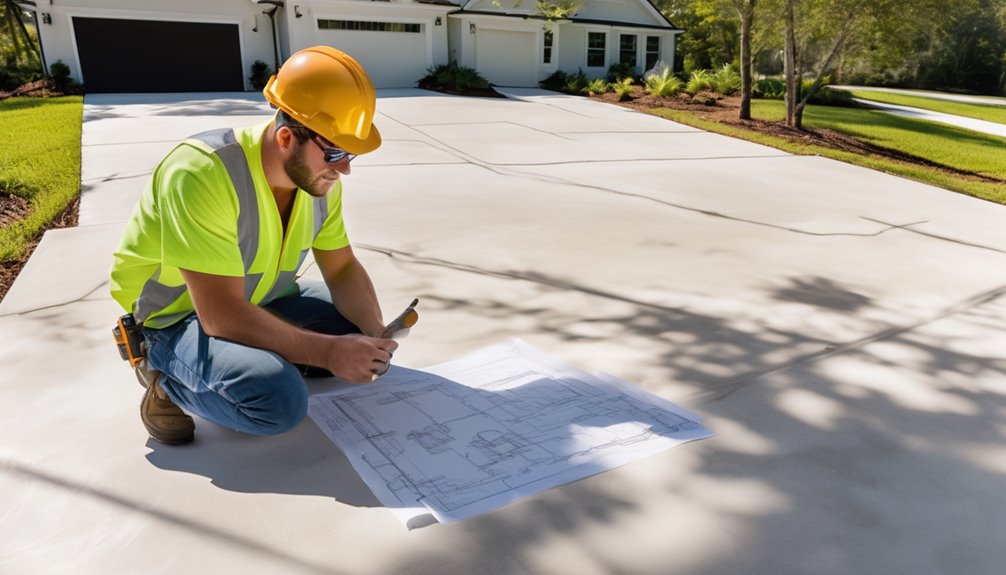
When you decide to hire a contractor for your concrete project, it’s crucial to take certain steps to protect yourself and ensure quality work.
Start by researching potential contractors online and reading reviews from previous clients. Don’t hesitate to ask for references and check their past projects. Make sure the contractor is licensed and insured to avoid liability issues.
Get detailed, written estimates from multiple contractors, and compare them to understand the market rate. Ensure the contract outlines the scope of work, timelines, and payment terms clearly.
Finally, maintain open communication throughout the project to address any concerns promptly. Following these best practices will help you achieve the results you want while safeguarding your investment.
Frequently Asked Questions
What Is the Difference Between a Bond and Insurance for Contractors?
A bond guarantees a contractor’s financial responsibility to complete a project, while insurance protects against liability for damages or injuries. Both provide security, but they serve different purposes in safeguarding your interests.
Can Homeowners File Multiple Claims Against the Recovery Fund?
Yes, homeowners can file multiple claims against the recovery fund, but there are limits. Each claim should address distinct issues, and you’ll need to follow the specific guidelines to ensure your claims are processed efficiently.
How Long Does It Take to Process a Claim With the Fund?
Processing a claim with the fund typically takes several weeks to a few months, depending on the complexity of your case and any required documentation. You should regularly check for updates to stay informed.
Are Contractors Required to Have Liability Insurance in Addition to Bonding?
Yes, contractors usually need liability insurance alongside bonding. This insurance protects you from potential claims arising from accidents or damages during projects, ensuring you’re financially covered and maintaining professionalism in your contracting business.
What Types of Damages Are Covered by the Recovery Fund?
The recovery fund typically covers damages resulting from contractor misconduct, including financial losses due to incomplete work, fraud, or failure to fulfill contractual obligations. You should check specific guidelines for detailed coverage information.
Conclusion
In Hernando County, ensuring your concrete contractor has third-party liability coverage and the proper bonds is crucial for your peace of mind. The Florida Homeowners Recovery Fund acts as a safety net, protecting you from contractor misconduct. By following best practices when hiring, you can safeguard your investment and avoid potential pitfalls. Always verify compliance with regulations to build trust and ensure a successful project. Your home’s integrity depends on making informed choices when selecting the right contractor.