Get an Instant Quote on Contractor’s Code Compliance Bond (Swimming Pool Contractor – 3rd Party Liability) Now!

When hiring a swimming pool contractor in Hillsborough County, you need to understand the significance of the Contractor’s Code Compliance Bond and third-party liability insurance. These requirements not only protect you as a client but also ensure that the contractor adheres to local regulations. Knowing how these elements work together can safeguard your investment and peace of mind. So, what steps should you take to verify a contractor’s compliance?
Understanding the Hillsborough County Contractor’s Code Compliance Bond
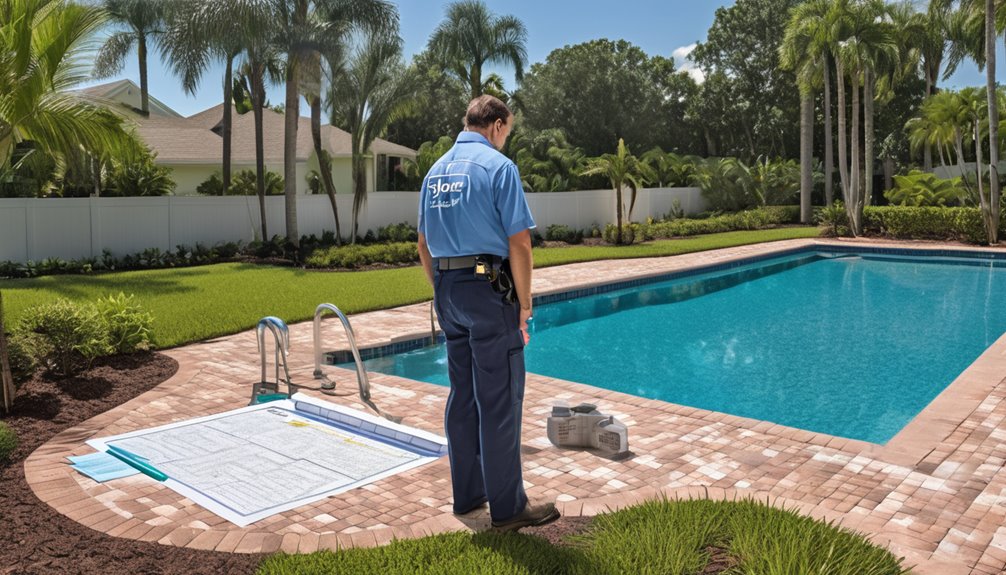
What does the Hillsborough County Contractor’s Code Compliance Bond mean for you as a swimming pool contractor?
This bond acts as a safety net, ensuring you comply with local regulations and building codes. It protects clients by guaranteeing that you’ll fulfill your contractual obligations and maintain quality standards in your work.
If you fail to meet these standards, the bond provides financial compensation for any damages or incomplete projects. This not only boosts your credibility but also helps you gain trust from potential clients.
By obtaining this bond, you show that you’re committed to professional integrity and quality service, which can set you apart in a competitive market.
Ultimately, it’s a vital part of your business foundation.
The Importance of Third-Party Liability Insurance
Having a Hillsborough County Contractor’s Code Compliance Bond is a great step toward establishing your reputation, but it’s not the only layer of protection you need as a swimming pool contractor.
Third-party liability insurance is crucial for safeguarding your business against unexpected events. Here are three reasons why you should prioritize it:
- Financial Security: It covers legal fees and settlements if a client or bystander claims damages due to your work.
- Client Trust: Having this insurance reassures clients that you take responsibility for your services, enhancing your credibility.
- Peace of Mind: With coverage in place, you can focus on delivering quality work without the constant worry of potential lawsuits.
Investing in third-party liability insurance is a smart move for your business’s future.
Compliance With Local Building Codes and Regulations

To ensure your swimming pool projects are successful, compliance with local building codes and regulations is essential.
These codes are in place to guarantee safety and quality in construction. Before starting your project, familiarize yourself with the specific requirements in Hillsborough County. This includes obtaining necessary permits and following guidelines for pool depth, fencing, and electrical systems.
Ignoring these regulations can lead to costly fines and delays, or worse, unsafe conditions. Working closely with a licensed contractor who understands local codes is crucial.
They’ll help you navigate the process and ensure everything’s up to standard. By prioritizing compliance, you not only protect your investment but also create a safe environment for your family and guests.
How to Verify a Contractor’s Bond and Insurance

How can you ensure that your swimming pool contractor is reliable and financially secure? Verifying a contractor’s bond and insurance is crucial. Here’s how you can do it:
- Request Documentation: Ask your contractor for copies of their bond and insurance policies. These should clearly state coverage details.
- Contact the Issuer: Reach out to the bonding company and insurance provider to confirm that the policies are active and valid. They can provide you with peace of mind.
- Check Local License Boards: Visit your local licensing authority’s website to verify the contractor’s credentials. This will help you ensure they meet all necessary requirements.
Potential Legal Issues and How to Avoid Them

While building a swimming pool can be an exciting project, it also comes with potential legal issues that can arise if precautions aren’t taken. Failing to obtain the necessary permits can lead to fines and forced removal of your pool. To avoid this, always check with local authorities and ensure compliance with zoning laws.
Additionally, hiring an unlicensed contractor may expose you to liability if accidents occur. Verify your contractor’s credentials and insurance coverage before starting work. You should also consider a well-drafted contract that outlines responsibilities, timelines, and payment terms.
Lastly, communicate openly with your contractor to address any concerns promptly, reducing the risk of disputes later on. Taking these steps can help you navigate legal challenges smoothly.
Frequently Asked Questions
How Long Does It Take to Obtain a Contractor’s Bond in Hillsborough County?
It usually takes a few days to obtain a contractor’s bond in Hillsborough County. You’ll need to gather necessary documents and apply through a licensed surety company to expedite the process efficiently.
What Are the Penalties for Contractors Without Proper Bonding and Insurance?
If you operate without proper bonding and insurance, you risk fines, legal action, and potential loss of your contractor’s license. It’s crucial to stay compliant to protect yourself and your business from these serious consequences.
Can Homeowners File Claims Against a Contractor’s Bond?
Yes, homeowners can file claims against a contractor’s bond if the contractor fails to fulfill obligations or causes damages. It’s essential to gather evidence and follow the proper claims process to seek compensation effectively.
Are There Exceptions for Certain Types of Contractors in Bonding Requirements?
Yes, there’re exceptions for certain contractors regarding bonding requirements. For instance, specialty trades or smaller projects might not need a bond. Always check local regulations to ensure compliance with specific bonding criteria for your area.
How Often Must Contractors Renew Their Bonds and Insurance Policies?
You’ll typically need to renew your bonds and insurance policies annually. However, some contracts may require more frequent updates, so it’s essential to check specific terms to ensure you stay compliant and protected.
Conclusion
In Hillsborough County, securing a Contractor’s Code Compliance Bond and third-party liability insurance is essential for swimming pool contractors. These safeguards not only protect you from potential legal issues but also build trust with your clients. By ensuring compliance with local regulations and verifying your contractor’s bond and insurance, you can confidently move forward with your project. Prioritizing these elements will help you avoid complications and enhance your reputation in the industry.