Get an Instant Quote on Contractor’s Code Compliance Bond (General Contractor – 3rd Party Liability) Now!

As a general contractor in Hillsborough County, you face unique challenges, especially when it comes to third-party liability and compliance with local codes. Understanding the intricacies of the Hillsborough County Contractor’s Code Compliance Bond is essential for protecting your business and ensuring project success. You’ll need to navigate the requirements and risks involved, but are you fully aware of the implications? Let’s explore how you can safeguard your operations while maintaining professionalism.
Overview of General Contractor Responsibilities in Hillsborough County

When you hire a general contractor in Hillsborough County, you can expect them to oversee the entire construction process, ensuring that everything runs smoothly and meets local regulations.
They’ll coordinate with subcontractors, manage schedules, and maintain open communication with you throughout the project. Your contractor will also handle the procurement of necessary permits and ensure compliance with safety standards and building codes.
They’re responsible for budgeting, tracking expenses, and addressing any issues that arise, keeping the project on time and within budget. Additionally, they’ll conduct regular site inspections to monitor progress and quality.
Ultimately, a skilled general contractor acts as your advocate, ensuring your vision becomes a reality while adhering to local laws and industry standards.
Understanding 3rd Party Liability in Construction

Construction projects not only involve the relationship between you and your general contractor but also carry potential liability risks for third parties. If someone gets injured on your job site or property is damaged due to negligence, you could be held liable.
This means that even if you didn’t directly cause the incident, you might still face legal consequences. It’s crucial to understand that third-party liability can extend to subcontractors, vendors, or even passersby.
You should be aware of the legal implications and ensure that proper safety measures are in place. Additionally, maintaining clear communication with your general contractor about their responsibilities helps mitigate risks.
Being proactive can protect you from unexpected financial burdens and legal challenges down the line.
Importance of Liability Insurance for Contractors

As a contractor, having liability insurance isn’t just a smart choice; it’s essential for your financial protection.
It also helps you meet legal compliance requirements and demonstrates your commitment to risk mitigation.
Without it, you could face significant financial consequences that threaten your business.
Financial Protection for Contractors
While many contractors focus on securing new projects and managing their teams, understanding the importance of liability insurance is crucial for protecting your financial assets.
Accidents happen, and without liability insurance, you could face significant out-of-pocket expenses for damages or injuries on the job. This coverage not only shields your assets but also boosts your credibility with clients, showing them you’re responsible and professional.
It can cover legal fees, settlements, and medical expenses, allowing you to focus on your work rather than financial burdens. Remember, a single incident can jeopardize your business and personal finances.
Prioritizing liability insurance ensures you’re prepared for the unexpected, making it a smart investment in your future as a contractor.
Legal Compliance Requirements
Liability insurance isn’t just about financial protection; it’s also a key factor in meeting legal compliance requirements for contractors in Hillsborough County.
When you hold a valid liability insurance policy, you demonstrate your commitment to professionalism and adherence to local regulations. This coverage not only protects you from potential lawsuits but also helps you avoid hefty fines or penalties from the county.
Many jurisdictions require contractors to maintain specific insurance levels to operate legally, ensuring that you’re prepared for any unforeseen circumstances.
By securing liability insurance, you’re not only safeguarding your business but also fostering trust with clients and stakeholders, showing that you take responsibility seriously.
Complying with these requirements is essential for your long-term success in the industry.
Risk Mitigation Strategies
When contractors prioritize risk mitigation, they significantly enhance their ability to navigate the unpredictable nature of construction projects. One key strategy is obtaining comprehensive liability insurance. This coverage not only protects you from potential lawsuits but also safeguards your finances against unforeseen accidents and damages.
Additionally, implementing safety protocols on-site can reduce the likelihood of accidents, further minimizing your risk. Regular training for your crew ensures everyone knows safety procedures and compliance requirements.
Another effective approach is to conduct thorough risk assessments before starting any project, identifying potential hazards and addressing them proactively.
Overview of the Hillsborough County Contractor’s Code Compliance Bond
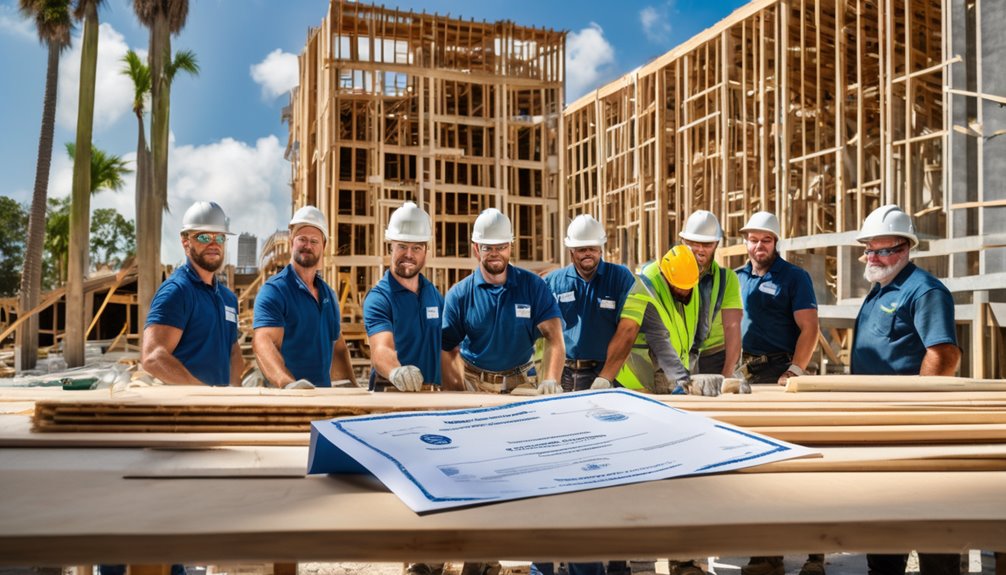
In Hillsborough County, understanding the Contractor’s Code Compliance Bond is essential for your business.
This bond not only ensures you meet local regulations but also offers several benefits that can enhance your credibility.
Let’s explore its purpose, requirements, and the advantages it brings to contractors like you.
Purpose of Compliance Bond
Understanding the purpose of a compliance bond is crucial for any contractor operating in Hillsborough County. This bond serves as a financial guarantee that you’ll adhere to local regulations, codes, and ordinances in your construction projects.
It protects the county and the public by ensuring that you complete your work according to established standards. If you fail to comply, the bond can cover any fines or damages incurred, safeguarding both your reputation and financial stability.
Essentially, it shows your commitment to professionalism and accountability. By securing a compliance bond, you not only fulfill legal requirements but also build trust with clients and stakeholders, making it an essential aspect of your contracting business in Hillsborough County.
Bond Requirements and Regulations
Complying with local regulations isn’t just about securing a compliance bond; it’s also important to grasp the specific bond requirements and regulations that govern your work as a contractor in Hillsborough County.
You need to obtain a Hillsborough County Contractor’s Code Compliance Bond, which typically requires a monetary amount set by the county, often ranging from $5,000 to $25,000. This bond ensures you’ll adhere to local codes and regulations.
Make sure you’re licensed and meet any insurance prerequisites before applying. Additionally, you may need to provide proof of financial stability and a clean background check.
Staying informed about changes in these regulations is crucial, as it impacts your ability to operate legally and effectively in the county.
Benefits for Contractors
Securing a Hillsborough County Contractor’s Code Compliance Bond offers several key benefits that can enhance your business operations.
First, it establishes your credibility, showing clients and regulatory bodies that you’re committed to following local codes and regulations.
This bond also protects you against potential financial losses due to non-compliance issues, ensuring your projects run smoothly.
Additionally, having this bond can make you more competitive in the market, as clients often prefer contractors who are bonded and insured.
It can also streamline the permitting process, allowing you to start projects faster.
Requirements for Obtaining a Code Compliance Bond

To obtain a code compliance bond in Hillsborough County, you’ll need to meet several specific requirements.
First, you must have a valid contractor’s license issued by the county.
Next, you’ll need to complete the bond application form accurately and submit it along with any required documentation.
You’ll also have to provide proof of insurance coverage, which typically includes general liability and workers’ compensation.
Additionally, the bond amount is determined based on the scope of your projects, so ensure you know the financial limits.
Finally, you may need to pay a fee for the bond itself.
Meeting these requirements will help ensure you can operate legally and protect yourself and your clients in Hillsborough County.
Consequences of Non-Compliance With Local Codes

When you ignore local codes in Hillsborough County, you risk facing serious consequences that can affect your business and reputation.
First, you could incur hefty fines that drain your finances.
Second, your projects may face delays due to stop-work orders, impacting your timeline and client satisfaction.
Third, non-compliance can lead to legal actions, which not only tarnish your reputation but also consume valuable time and resources.
Additionally, you might struggle to obtain permits for future projects, limiting your business opportunities.
Ultimately, the fallout from ignoring local regulations can jeopardize your standing in the community and hinder your growth as a contractor.
Staying compliant is essential to maintaining a successful and reputable contracting business.
How to File a Claim Under 3rd Party Liability

Ignoring local codes can lead to significant liabilities, including the risk of third-party claims.
If you find yourself needing to file a claim, start by gathering all relevant documentation, including contracts, invoices, and any evidence of the incident.
Next, contact your insurance provider to understand the specific claims process they require. They’ll guide you on the necessary forms and information you need to provide.
It’s crucial to file your claim promptly to ensure compliance with any time limits. Additionally, keep detailed records of all communications and follow up regularly to check on your claim’s status.
Best Practices for Contractors to Mitigate Liability Risks

While no contractor can eliminate all risks, adopting best practices can significantly reduce liability exposure.
Start by ensuring you have comprehensive insurance coverage tailored to your specific needs. Regularly train your team on safety protocols and industry standards to minimize accidents.
Maintain clear communication with clients and subcontractors to set expectations and reduce misunderstandings. Always keep accurate and detailed records of your projects, including permits, contracts, and change orders.
Conduct thorough inspections of the worksite and address potential hazards immediately. Lastly, consider consulting with legal and insurance professionals to stay updated on laws and regulations that could affect your liability.
The Role of Local Authorities in Enforcing Compliance

Local authorities play a crucial role in enforcing compliance with construction regulations and safety standards, ensuring that contractors adhere to established guidelines. They not only issue permits but also conduct inspections to maintain community safety.
When you partner with local authorities, you contribute to a culture of accountability, which is vital for protecting everyone involved.
- The safety of families living nearby depends on your compliance.
- Community trust in contractors can strengthen your business reputation.
- Non-compliance can lead to costly fines and project delays.
- Local authorities are your allies in navigating complex regulations.
- A commitment to standards fosters a safer environment for all.
Frequently Asked Questions
What Is the Process for Renewing a Contractor’s Code Compliance Bond?
To renew a contractor’s code compliance bond, you’ll need to complete the required paperwork, pay the renewal fee, and provide any updated documentation. Check with your local licensing authority for specific requirements and deadlines.
Are There Specific Bond Amounts Required for Different Types of Contractors?
Yes, different types of contractors often have specific bond amounts required. You should check local regulations or consult with the appropriate licensing authority to ensure you meet the necessary financial obligations for your specific trade.
How Does a Contractor Demonstrate Compliance With Local Building Codes?
To demonstrate compliance with local building codes, you’ll need to submit necessary permits, undergo inspections, and maintain proper documentation. Staying informed about regulations ensures your projects meet standards and helps avoid potential legal issues.
What Happens if a Contractor Loses Their Code Compliance Bond?
If you lose your code compliance bond, you’ll face potential penalties, including fines or suspension of your contractor’s license. You must quickly address the situation to avoid further complications and maintain your business’s credibility.
Can Homeowners File Claims Against a Contractor’s Liability Insurance Directly?
You can’t file claims directly against a contractor’s liability insurance. Instead, you must go through the contractor, who then involves their insurer. It’s essential to understand the proper process to protect your interests effectively.
Conclusion
In Hillsborough County, navigating third-party liability and compliance is crucial for your success as a general contractor. By understanding your responsibilities and the importance of the Contractor’s Code Compliance Bond, you can protect yourself and your clients. Prioritize safety measures, maintain open communication, and stay informed about local regulations to minimize risks. Remember, adhering to these guidelines not only ensures compliance but also enhances your reputation in the industry, paving the way for future projects.