Get an Instant Quote on Contractor’s Code Compliance Bond (Gas Contractor – 3rd Party Liability) Now!

As a gas contractor in Hillsborough County, you know that securing a Contractor’s Code Compliance Bond and third-party liability insurance is essential. These requirements not only protect you but also reassure your clients about your commitment to safety and quality. Understanding the nuances of these regulations can be overwhelming, but knowing how to navigate them effectively can set you apart in a competitive market. What steps will you take to ensure compliance and enhance your business credibility?
Understanding the Hillsborough County Contractor’s Code Compliance Bond

When you’re working as a gas contractor in Hillsborough County, understanding the Contractor’s Code Compliance Bond is crucial for your business.
This bond ensures that you adhere to local codes and regulations, providing a safety net for both you and your clients. If you fail to comply with these standards, the bond protects the county and the public by covering any penalties or damages that may arise.
It’s not just a requirement; it reflects your commitment to quality and safety in your work. You’ll need to secure this bond before obtaining your contractor’s license.
Importance of Third-Party Liability Insurance for Gas Contractors
As a gas contractor, having third-party liability insurance is essential for protecting against accidents that could happen on the job.
It also helps you meet legal compliance requirements, ensuring you’re operating within the law.
Most importantly, this insurance provides financial security, giving you peace of mind while you focus on your work.
Protecting Against Accidents
Accidents can happen unexpectedly in the gas contracting industry, making third-party liability insurance essential for protecting your business. This coverage not only safeguards your finances but also builds trust with clients.
Here are four reasons why it’s crucial:
- Financial Protection: It covers legal fees and settlements in case of claims.
- Client Confidence: Clients feel safer knowing you’re insured, which can lead to more contracts.
- Reputation Management: It helps maintain your business’s reputation in the event of an accident.
- Compliance Ease: Many contracts require insurance, making it easier to meet industry standards.
Legal Compliance Requirements
Understanding legal compliance requirements is vital for gas contractors, especially since regulations often mandate third-party liability insurance. This coverage protects you from potential claims arising from accidents or damages related to your work.
If you don’t have this insurance, you could face hefty fines or even lose your license. Compliance isn’t just about avoiding penalties; it’s about ensuring your business operates smoothly and responsibly.
Clients and partners often require proof of liability insurance before hiring you, which means having it can give you a competitive edge. By prioritizing third-party liability insurance, you safeguard not only your financial interests but also your reputation in the industry.
Stay informed on local laws and maintain your coverage to meet these critical compliance standards.
Financial Security Assurance
While you may be skilled at your craft, having third-party liability insurance is essential for your peace of mind and financial security as a gas contractor. This insurance protects you from unexpected incidents that could arise during your work, ensuring you’re not left hanging financially.
Here are four key reasons to consider:
- Legal Protection: Safeguards against lawsuits from clients or third parties.
- Financial Coverage: Covers damages or injuries, preventing hefty out-of-pocket expenses.
- Client Trust: Enhances your credibility and professionalism, reassuring clients.
- Compliance: Meets regulatory requirements, allowing you to operate legally in Hillsborough County.
Investing in third-party liability insurance isn’t just smart; it’s necessary for your long-term success!
Key Requirements for Obtaining a Contractor’s Code Compliance Bond

To secure a contractor’s code compliance bond, you’ll need to navigate the bond application process carefully.
This includes understanding the specific insurance requirements that pertain to your work.
Bond Application Process
When you’re ready to apply for a contractor’s code compliance bond in Hillsborough County, you’ll need to gather specific documents and meet certain requirements.
Here’s a quick checklist to help you navigate the process:
- Business License: Ensure your business is licensed and registered in Hillsborough County.
- Financial Statements: Prepare recent financial statements to demonstrate your business’s stability.
- Identification: Provide valid identification, such as a driver’s license or passport.
- Application Form: Complete the official bond application form, which can usually be found on the county’s website.
Having these items ready will streamline your application process and help you secure your bond efficiently.
Good luck!
Insurance Requirements Explained
After you’ve tackled the bond application process, it’s important to understand the insurance requirements that come with obtaining a contractor’s code compliance bond in Hillsborough County.
You’ll need to maintain a general liability insurance policy, which typically covers bodily injury, property damage, and personal injury. Ensure your coverage meets or exceeds the county’s minimum requirements, which usually include a specific dollar amount for each occurrence.
Additionally, you may need to provide proof of workers’ compensation insurance if you have employees. This protects both you and your workers in case of accidents.
Make sure to keep these policies active and updated, as failure to do so can jeopardize your bond and your ability to work legally in the area.
Overview of Gas Contracting Regulations in Hillsborough County
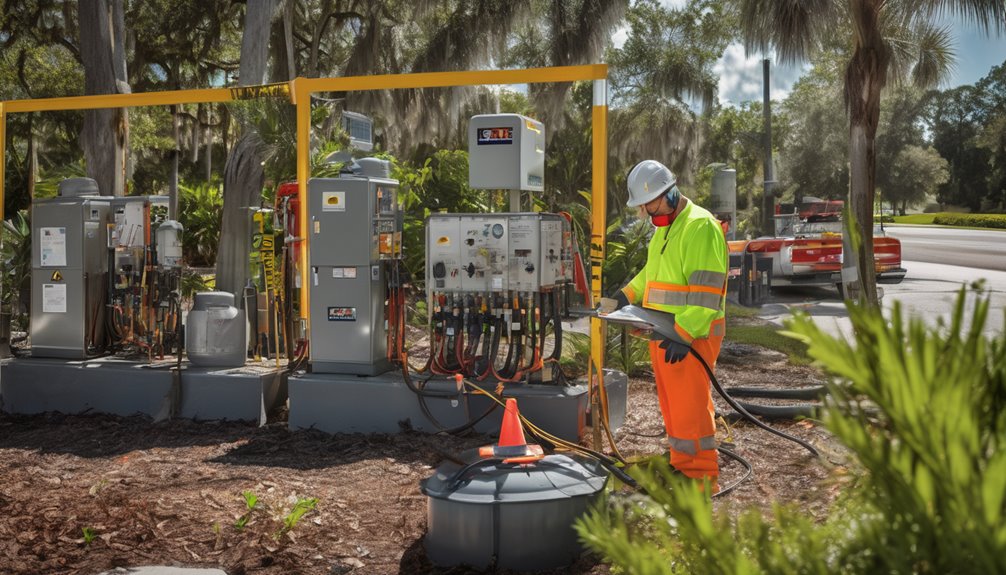
Understanding the gas contracting regulations in Hillsborough County is crucial for both contractors and homeowners. These regulations ensure safety and compliance in gas-related projects.
Here are four key aspects you should know:
- Licensing Requirements: Always verify that your contractor holds the necessary licenses to perform gas work.
- Permitting Process: Before starting any project, obtain the required permits to avoid fines and delays.
- Safety Standards: Familiarize yourself with local safety codes to ensure compliance during installation and maintenance.
- Inspection Protocols: Expect inspections at various project stages to ensure everything meets local regulations.
Steps to Ensure Compliance With Local Gas Contracting Laws

To ensure compliance with local gas contracting laws, you need to start by understanding the specific regulations in Hillsborough County.
Don’t forget to obtain all necessary permits and maintain adequate insurance coverage for your projects.
These steps will help you avoid potential liability issues and keep your business running smoothly.
Understand Local Regulations
While navigating the complexities of gas contracting in Hillsborough County, it’s essential to familiarize yourself with local regulations to ensure compliance. Ignoring these rules can lead to costly setbacks or penalties.
Here are four key steps to help you stay informed:
- Research Local Codes: Review the specific gas codes that apply to your projects.
- Attend Workshops: Participate in local meetings or workshops to gain insights from industry experts.
- Connect with Peers: Network with other contractors to share experiences and updates on regulations.
- Consult the County Website: Regularly check the Hillsborough County website for updates on regulations, permits, and compliance requirements.
Obtain Necessary Permits
Once you’ve familiarized yourself with local regulations, obtaining the necessary permits becomes the next critical step in compliance with gas contracting laws in Hillsborough County.
Start by identifying the specific permits required for your project, as these can vary depending on the scope of work. You’ll need to fill out the appropriate applications and provide supporting documentation, such as site plans or specifications.
Be sure to check if there are any fees associated with the permit applications. Once submitted, follow up with the local authority to ensure your application is processed promptly.
Maintain Adequate Insurance
Maintaining adequate insurance is crucial for gas contractors in Hillsborough County, as it protects you from potential liabilities that can arise during projects.
To ensure you’re covered, follow these steps:
- Assess Your Risks: Identify potential hazards specific to gas contracting to determine the type and amount of coverage needed.
- Choose the Right Policies: Look for general liability, workers’ compensation, and property damage insurance tailored for your work.
- Verify Coverage Limits: Ensure your insurance meets or exceeds the minimum requirements set by local laws and regulations.
- Review Regularly: Periodically reassess your insurance needs, especially after significant projects or changes in your business operations.
Common Challenges Faced by Gas Contractors in Hillsborough County
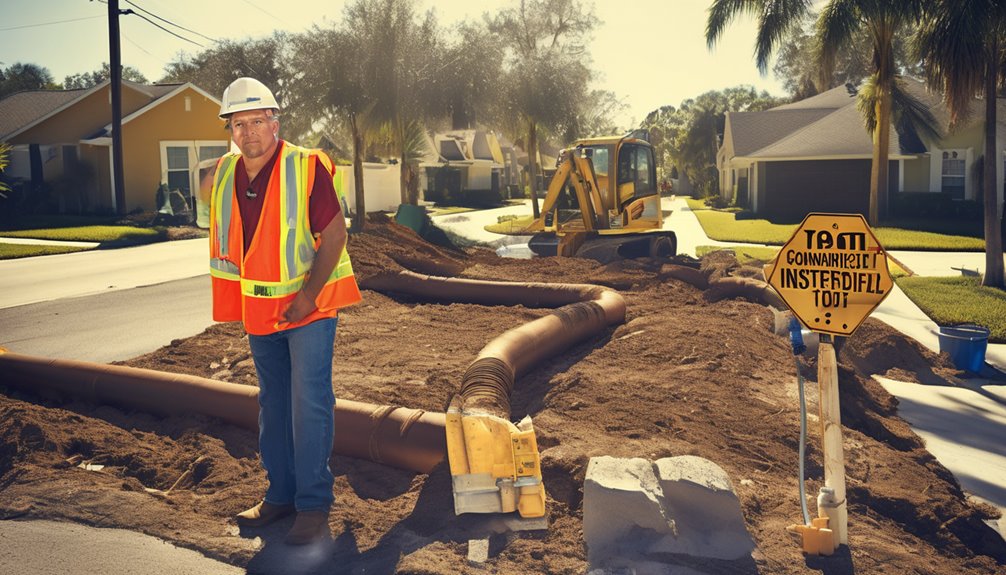
Gas contractors in Hillsborough County face a variety of challenges that can complicate their work. Navigating local regulations can be daunting, especially with frequent updates that require you to stay informed.
You may also encounter difficulties in securing timely permits, which can delay projects and affect your bottom line. Additionally, competition is fierce, making it essential to differentiate your services while managing costs.
Safety concerns are paramount in gas work, and any oversight can lead to serious consequences, both legally and financially. Furthermore, maintaining a skilled workforce is vital, yet finding qualified technicians can be a challenge.
These factors combined can create a complex environment for gas contractors striving for success in Hillsborough County.
Benefits of Maintaining a Contractor’s Code Compliance Bond

A contractor’s code compliance bond offers several key benefits that can significantly enhance your business operations.
By maintaining this bond, you not only protect your reputation but also ensure smoother project execution.
Here are four essential advantages:
- Increased Credibility: It demonstrates your commitment to adhering to local regulations, building trust with clients.
- Risk Mitigation: It provides financial protection against potential claims, reducing your liability.
- Competitive Edge: A bond sets you apart from unbonded contractors, making you a more appealing choice for clients.
- Compliance Assurance: It ensures you stay updated with local codes, minimizing the risk of penalties or project delays.
How to Choose the Right Insurance Coverage for Your Gas Contracting Business
When selecting the right insurance coverage for your gas contracting business, it’s essential to consider your specific needs and risks.
Start by assessing the nature of your projects—do you primarily work on residential, commercial, or industrial sites? This will influence the types of coverage you’ll require.
General liability insurance is crucial to protect against third-party claims, while professional liability can safeguard you against errors in your work.
Don’t forget workers’ compensation, as it’s vital for employee protection.
Evaluate your budget and shop around for quotes, but remember that the cheapest option isn’t always the best.
Finally, consult with an insurance agent familiar with the gas contracting industry to ensure you’re adequately covered against potential liabilities.
Resources for Gas Contractors in Hillsborough County

Finding the right insurance is just one step towards ensuring the success of your gas contracting business in Hillsborough County.
To further support your journey, here are some valuable resources you can tap into:
- Hillsborough County Building Department – Access permits, codes, and regulations specific to gas contracting.
- Florida Public Service Commission – Stay informed about regulations and safety standards for gas utilities.
- Local Trade Associations – Join groups that offer networking, training, and resources tailored for gas contractors.
- Online Training Programs – Enroll in courses that enhance your skills and knowledge about industry best practices.
Utilizing these resources won’t only help you stay compliant but also improve your overall business operations.
Staying Updated on Changes in Local Gas Contracting Legislation

To thrive in the gas contracting industry, you must stay informed about any changes in local legislation. Regularly check the Hillsborough County website for updates on codes and regulations affecting your work.
Subscribe to newsletters from local trade associations and government agencies to receive timely alerts on legislative changes. Utilize social media platforms to follow industry leaders and participate in relevant discussions.
Attend local workshops and seminars to network with fellow contractors and share insights. Engaging with your community can also help you stay abreast of emerging trends and best practices.
Frequently Asked Questions
What Is the Cost of Obtaining a Contractor’s Code Compliance Bond?
The cost of obtaining a contractor’s code compliance bond varies based on factors like project size and risk. Typically, you’ll pay a percentage of the bond amount, often ranging from 1% to 3%.
How Often Do I Need to Renew My Bond and Insurance?
You’ll typically need to renew your bond and insurance annually. However, check your specific policy terms and local regulations, as some situations may require more frequent updates to ensure compliance and protection.
Can I Operate Without a Contractor’s Code Compliance Bond?
You can’t operate legally without a contractor’s code compliance bond. It’s essential for protecting both you and your clients, ensuring compliance with local regulations. Without it, you risk fines and potential legal issues.
What Penalties Exist for Non-Compliance With Gas Contracting Laws?
If you don’t comply with gas contracting laws, you may face hefty fines, license suspension, or even criminal charges. Staying informed and adhering to regulations helps you avoid these serious penalties and protect your business.
Are There Specific Training Requirements for Gas Contractors in Hillsborough County?
In Hillsborough County, you need specific training to become a gas contractor. This often includes safety courses, hands-on experience, and certification programs to ensure you’re knowledgeable about regulations and best practices in the industry.
Conclusion
In conclusion, securing a Contractor’s Code Compliance Bond and third-party liability insurance is essential for gas contractors in Hillsborough County. These requirements not only protect you and your clients but also enhance your credibility in the industry. By understanding local regulations and staying updated on any changes, you can ensure compliance and run a successful business. Don’t overlook the importance of these measures—they’re key to building trust and mitigating risks in your gas contracting projects.