Get an Instant Quote on Contractor’s Surety Bond (Garage Door Contractor – Compliance Only) Now!

When hiring a garage door contractor in Orlando, it’s crucial to focus on compliance, especially regarding their surety bond. This bond isn’t just a formality; it’s a safety net that ensures your contractor meets local regulations and industry standards. By understanding its significance, you can protect yourself from potential pitfalls. But what should you look for when verifying a contractor’s compliance? Let’s explore the essential steps to ensure you make the right choice.
Understanding the Contractor’s Surety Bond

A contractor’s surety bond acts as a safety net for both you and the contractor. It guarantees that the contractor will fulfill their contractual obligations, providing you with peace of mind. If they fail to meet the terms, the bond ensures that you’re compensated for any financial loss. This protection encourages contractors to adhere to industry standards and regulations.
When hiring a garage door contractor in Orlando, always verify that they hold a valid surety bond. This not only safeguards your investment but also reflects the contractor’s professionalism and reliability.
A bond serves as a testament to their commitment to quality work, ensuring you won’t face unexpected issues down the road. Always prioritize working with bonded contractors for a smoother project experience.
Importance of Compliance in Garage Door Projects

While you might be eager to get your garage door project underway, ensuring compliance with local regulations is crucial for a successful outcome.
Following these rules not only helps you avoid fines and penalties but also ensures the safety and functionality of your garage door. Regulations often dictate specific installation standards, permits, and inspections, which protect both you and your property.
When you comply, you enhance your project’s durability and reduce the risk of future issues. Additionally, using licensed contractors familiar with these guidelines can save you headaches down the road.
Ultimately, prioritizing compliance means you’ll have peace of mind, knowing your project meets the city’s standards and is built to last.
Bonding Requirements for Garage Door Contractors

When you’re working as a garage door contractor, understanding bonding requirements is crucial for your compliance.
You’ll need to know the different bond types, the application process, and the specific regulations that apply in Orlando.
Let’s break down these essentials to help you stay on track.
Bond Types Explained
Understanding bond types is crucial for garage door contractors in Orlando, as these financial guarantees protect clients and ensure compliance with local regulations.
Here are the primary types of bonds you should know:
- Contractor License Bond: Ensures you adhere to local laws and regulations.
- Surety Bond: Acts as a financial guarantee to your clients for contract fulfillment.
- Performance Bond: Protects clients against incomplete or unsatisfactory work.
- Payment Bond: Ensures subcontractors and suppliers get paid for their services.
- Maintenance Bond: Covers repairs and maintenance for a specified period after project completion.
Familiarizing yourself with these bond types not only boosts your credibility but also helps you build trust with clients.
Application Process Overview
Navigating the application process for bonding as a garage door contractor in Orlando requires careful attention to detail and compliance with local regulations.
First, gather all necessary documentation, including proof of insurance and business licenses. You’ll need to complete a bonding application, which typically asks for your business information and financial history.
Next, choose a reputable surety bond provider, as they’ll evaluate your application and determine your eligibility. Be prepared for a credit check, which can affect your bond premium.
After submitting your application, review any feedback from the surety company promptly. Once approved, you’ll receive your bond, allowing you to legally operate as a contractor in Orlando.
Stay organized to ensure a smooth application process.
Compliance Regulations Overview
Once you’ve completed the bonding application process, it’s important to grasp the compliance regulations that govern garage door contractors in Orlando. Understanding these regulations ensures you operate legally and maintain your reputation.
Here are key aspects to keep in mind:
- You must maintain a valid contractor’s license.
- Adhere to local building codes and safety standards.
- Ensure all work meets the National Electrical Code (NEC) requirements.
- Carry general liability insurance to protect against potential claims.
- Renew your surety bond regularly to avoid lapses in compliance.
Steps to Verify Contractor Compliance

Verifying contractor compliance is crucial to ensure your garage door project meets local regulations and standards.
Start by checking if the contractor holds a valid license specific to garage door installation in Orlando. You can usually find this information on the city’s official website.
Next, ask for proof of insurance, including general liability and workers’ compensation, to protect yourself from potential risks.
Verify their reputation by reading online reviews and seeking references from previous clients.
It’s also wise to ensure they’ve a current surety bond, which provides financial protection in case of incomplete work.
Finally, confirm that the contractor complies with any local building codes and zoning laws by contacting your local permit office.
Consequences of Hiring Non-Compliant Contractors
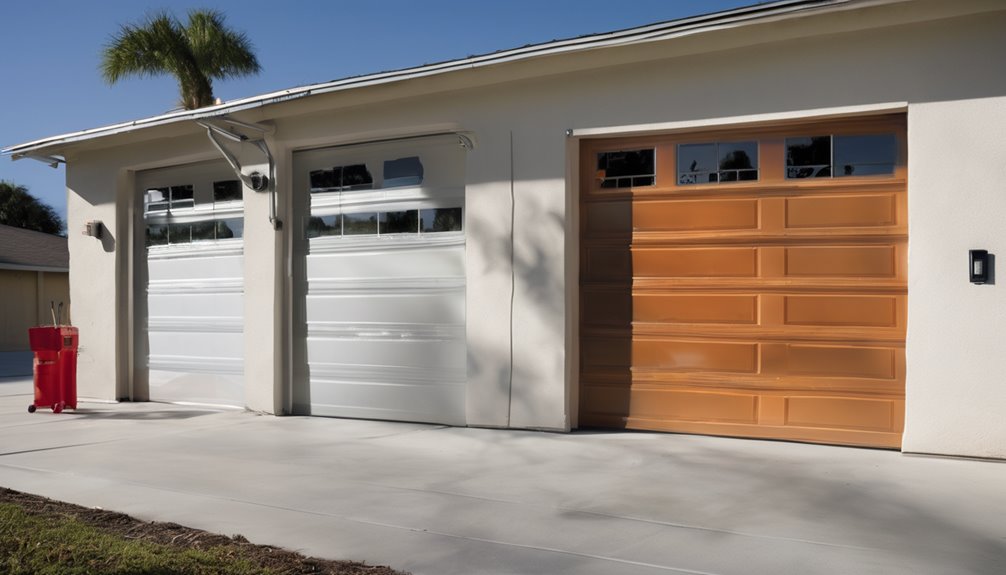
Hiring non-compliant contractors can lead to serious legal liabilities that you mightn’t be prepared for.
You could also face unexpected financial risks that strain your budget.
Additionally, safety and compliance hazards may put you and your property at risk, making it crucial to choose wisely.
Legal Liability Issues
When you choose to hire a non-compliant garage door contractor, you may unknowingly expose yourself to significant legal liabilities.
These can include:
- Injury Claims: If someone gets hurt due to poor installation, you could be held responsible.
- Property Damage: Substandard work might damage your home or belongings, leading to costly repairs.
- Violation Fines: Non-compliance with local codes can result in hefty fines imposed on you.
- Insurance Issues: Your homeowner’s insurance may not cover damages caused by unlicensed work.
- Contractual Disputes: You might face legal battles if the contractor doesn’t fulfill their obligations.
Financial Risks Incurred
Choosing a non-compliant garage door contractor can lead to unexpected financial pitfalls that may strain your budget.
You might face higher repair costs due to shoddy workmanship, forcing you to pay twice for the same job. Additionally, if the contractor lacks proper insurance, you could be liable for accidents that occur during the project, putting even more strain on your finances.
Moreover, fines and penalties from city regulations may fall on you if your contractor doesn’t follow local codes. These expenses can quickly add up, leaving you with a hefty bill in the end.
Ultimately, hiring a compliant contractor protects your wallet while ensuring quality work and adherence to safety standards.
Don’t risk your investment; choose wisely.
Safety and Compliance Hazards
Opting for a non-compliant garage door contractor can expose you to significant safety and compliance hazards.
When you choose someone who doesn’t follow regulations, you risk several serious issues:
- Increased risk of accidents: Faulty installations can lead to injuries.
- Legal repercussions: Non-compliance may attract fines or penalties.
- Insurance complications: Claims can be denied if work isn’t up to code.
- Property damage: Poor workmanship can lead to costly repairs.
- Decreased property value: Non-compliant work can affect your home’s marketability.
Benefits of Working With Bonded Contractors
Because working with bonded contractors offers a layer of protection, you can have peace of mind knowing your garage door project is in capable hands.
These professionals are financially backed, ensuring that if issues arise, you’re covered. If a bonded contractor fails to meet their obligations, the bond provides a safety net, allowing you to recoup costs for incomplete or unsatisfactory work.
Additionally, bonded contractors typically adhere to higher industry standards, enhancing the quality of service you receive. They’re also more likely to be licensed and insured, further safeguarding you against potential liabilities.
How to Choose a Reliable Garage Door Contractor

How can you ensure that you’re selecting a reliable garage door contractor? Start by doing your homework. Here are some essential tips to help you make the best choice:
- Check Reviews: Look for customer feedback on platforms like Google or Yelp.
- Verify Credentials: Ensure the contractor has proper licenses and insurance.
- Ask for References: Request contact information from past clients to gauge satisfaction.
- Get Multiple Quotes: Compare prices and services from different contractors to find the best value.
- Confirm Warranty Options: A reliable contractor should offer warranties on both labor and materials.
Frequently Asked Questions
What Is the Cost of Obtaining a Contractor’s Surety Bond?
The cost of obtaining a contractor’s surety bond typically ranges from 1% to 15% of the bond amount, depending on factors like your credit score and the bond’s purpose. It’s wise to shop around for quotes.
How Long Does It Take to Get Bonded?
Getting bonded typically takes a few days to a couple of weeks, depending on your application’s completeness and the surety company’s requirements. You’ll want to gather necessary documents to speed up the process.
Can a Contractor Operate Without a Surety Bond?
You can’t operate as a contractor without a surety bond in many places. It’s a requirement that protects clients and ensures you meet local regulations. Without it, you risk losing opportunities and facing legal issues.
What Types of Projects Require a Contractor’s Surety Bond?
Certain projects, like construction, remodeling, and electrical work, often require a contractor’s surety bond. It protects clients against incomplete work or financial loss, ensuring you’re held accountable for fulfilling your contractual obligations.
Are There Exceptions to Bonding Requirements in Orlando?
Yes, there’re exceptions to bonding requirements in Orlando. Certain small projects or specific types of work might not require a bond. Always check local regulations to ensure you’re compliant with the latest rules.
Conclusion
In Orlando, choosing a compliant garage door contractor with a surety bond is crucial for your peace of mind. By working with a bonded professional, you’re protecting yourself from potential risks and ensuring that your project meets local regulations and standards. Remember to verify the contractor’s compliance to avoid any pitfalls. By following these steps, you’re not just investing in quality work, but also promoting professionalism in the industry. Make the smart choice for your garage door needs!