Get an Instant Quote on Contractor’s License Bond (Roofing Contractor – 3rd Party Liability) Now!

When hiring a roofing contractor in Kissimmee, Florida, it’s essential to understand the implications of third-party liability. A contractor’s license bond can protect you from potential risks, but not all contractors are created equal. You’ll want to ensure that your chosen contractor is properly licensed and insured. This knowledge can save you from unexpected costs and headaches down the line. So, how do you verify a contractor’s credentials effectively?
Understanding Third-Party Liability in Roofing
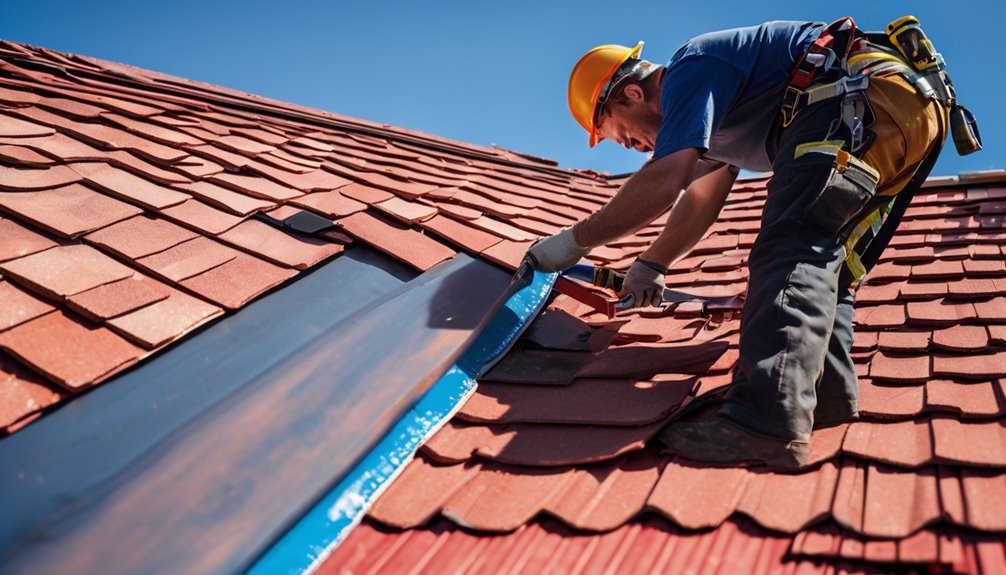
When dealing with roofing projects, have you ever considered how third-party liability could impact you?
It’s crucial to understand that accidents can happen, and if someone gets injured or property gets damaged during your roofing job, you might be held responsible. This liability isn’t just a contractor’s issue; it can extend to you as the property owner.
Without proper insurance or a contract in place, you could face significant financial repercussions. To protect yourself, ensure your contractor carries adequate liability insurance and is willing to provide proof.
The Importance of Contractor’s License Bonds

A contractor’s license bond can be a game-changer for your roofing project. It demonstrates to clients and regulatory bodies that you’re committed to adhering to industry standards and local regulations.
This bond acts as a financial safety net, protecting you and your customers from potential losses due to incomplete work or violations. If you fail to meet your contractual obligations, the bond ensures that funds are available to cover damages or complete the project, enhancing your credibility.
Additionally, having a contractor’s license bond can make you more appealing to potential clients, as it reflects professionalism and reliability. In the competitive roofing market, securing a license bond could set you apart and foster trust with homeowners seeking quality service.
Key Benefits of Hiring a Licensed Roofing Contractor
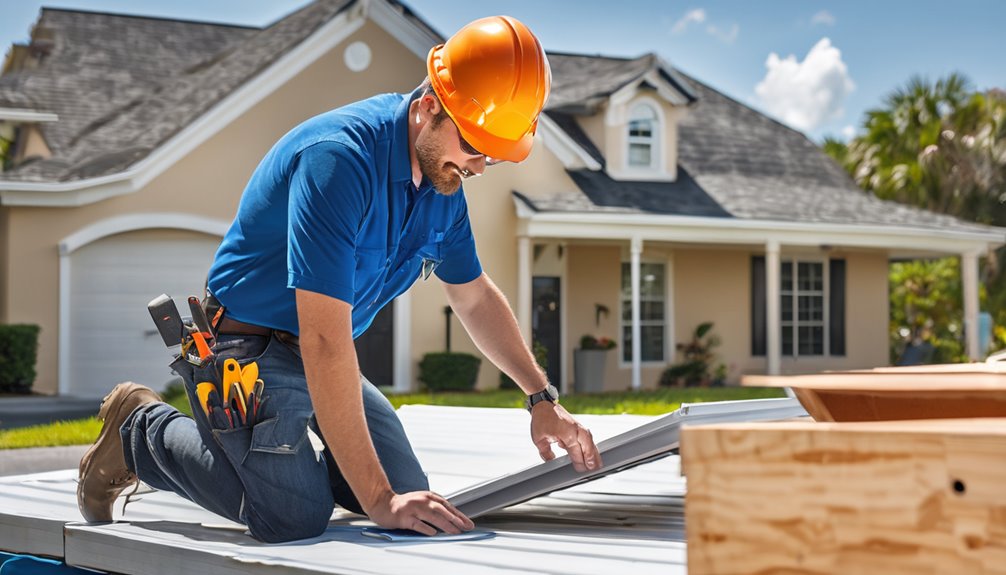
Hiring a licensed roofing contractor offers numerous advantages that can significantly impact the success of your roofing project.
First, you’ll benefit from their expertise and industry knowledge, ensuring that your roof is installed or repaired to code and meets safety standards.
Additionally, licensed contractors carry liability insurance, which protects you from potential damages or accidents during the work.
You can also expect higher quality materials and workmanship, as licensed professionals often have established relationships with suppliers.
Plus, hiring a licensed contractor can enhance your property’s value, as prospective buyers appreciate the assurance of a job done right.
Ultimately, working with a licensed contractor gives you peace of mind, knowing that your roofing project is in capable hands.
How to Verify a Contractor’s License in Kissimmee
How can you ensure that your roofing contractor is properly licensed in Kissimmee? Start by visiting the Florida Department of Business and Professional Regulation’s website.
They provide a comprehensive database where you can search for licensed contractors by name or license number. Once you find your contractor, check their status to confirm they hold the appropriate licenses for roofing work.
Also, look for any complaints or disciplinary actions against them. It’s a good idea to ask the contractor for a copy of their license and verify it against the state records.
Lastly, consider contacting the City of Kissimmee’s Building Department for additional verification and to ensure the contractor complies with local regulations.
This simple process helps protect your investment.
Common Insurance Coverage for Roofing Projects
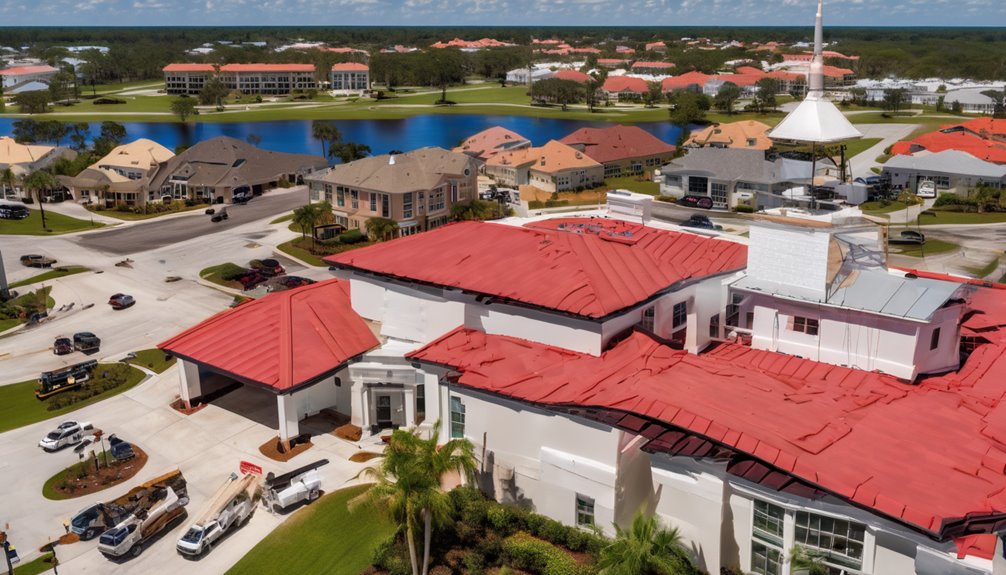
When considering roofing projects, understanding the common types of insurance coverage is crucial for protecting yourself and your property.
First, you’ll want to look for general liability insurance, which covers damages to third parties or their property during the project.
Next, make sure the contractor has workers’ compensation coverage. This protects you from liability if a worker gets injured on your job site.
Additionally, consider obtaining a contractor’s bond, which ensures completion of work and compliance with local regulations.
Finally, inquire about builder’s risk insurance, which covers your property during construction.
Steps to Take When Filing a Claim Against a Contractor
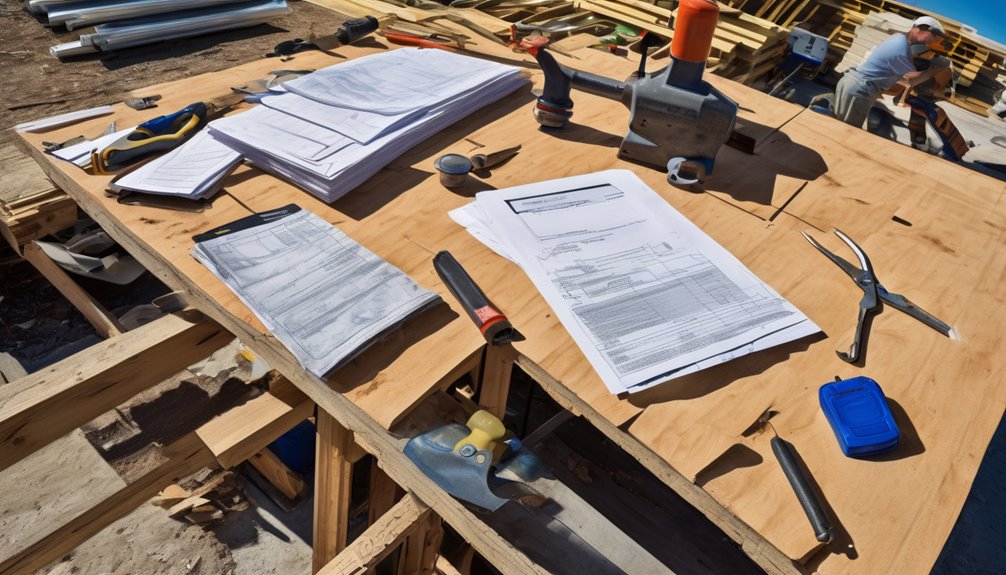
When you decide to file a claim against a contractor, the first step is to gather all necessary documentation related to your project. This includes contracts, invoices, and any correspondence you’ve had with the contractor.
Once you’ve organized everything, contacting your insurance provider is crucial to understand your coverage options.
Gather Necessary Documentation
Before you can successfully file a claim against a roofing contractor, it’s crucial to gather all necessary documentation.
Start by collecting your contract with the contractor, as it outlines the agreed-upon work and terms. Next, gather any communication records, like emails and texts, that show your discussions or concerns about the project.
Don’t forget to take detailed photos of the work completed, especially if there are issues or damages. Additionally, keep any invoices or receipts related to the project.
If you’ve had any inspections, gather those reports as well. Having all this documentation organized and ready will strengthen your claim and help you present a clear case against the contractor.
Contact Your Insurance Provider
How do you navigate the process of filing a claim against a contractor? Start by contacting your insurance provider. Inform them about the situation and provide the necessary documentation you gathered earlier.
They’ll guide you through the claim process and explain what’s covered under your policy. Be ready to answer questions about the contractor’s work, any damages incurred, and the timeline of events.
Your insurer may send an adjuster to assess the damage, so make sure to cooperate fully. Keep a record of all communications and documentation shared, as this will streamline the process.
If your claim gets denied, don’t hesitate to ask for a detailed explanation and explore your options for appeal.
Frequently Asked Questions
What Is the Cost of a Contractor’s License Bond in Kissimmee?
The cost of a contractor’s license bond in Kissimmee varies based on factors like your credit score and the bond amount required. Typically, you can expect to pay between 1% to 15% of the bond value.
How Long Does It Take to Obtain a Contractor’s License Bond?
It typically takes one to three days to obtain a contractor’s license bond, depending on your application completeness and any required documentation. Just ensure you have everything ready to speed up the process.
Can a Roofing Contractor Operate Without a License Bond in Florida?
No, you can’t operate without a license bond in Florida. It’s a legal requirement for contractors to protect clients and ensure compliance with state regulations. Without it, you risk fines and losing your ability to work.
What Happens if a Contractor’s Bond Is Not Renewed?
If you don’t renew your contractor’s bond, you face potential fines, legal issues, and loss of your license. It’s crucial to stay updated to maintain credibility and avoid disruptions in your business operations.
Are There Penalties for Unlicensed Roofing Contractors in Kissimmee?
Yes, there are penalties for unlicensed roofing contractors in Kissimmee. You could face fines, cease-and-desist orders, or even legal action. It’s essential to stay compliant to avoid these consequences and protect your business.
Conclusion
In Kissimmee, hiring a licensed roofing contractor is essential for protecting yourself from third-party liability risks. A contractor’s license bond ensures compliance with industry standards and provides financial protection. By verifying your contractor’s credentials and ensuring they have adequate insurance, you can safeguard your property and peace of mind. Remember, choosing a qualified contractor not only enhances the credibility of your project but also minimizes potential headaches down the line. Don’t take chances—make informed decisions for your roofing needs.