Get an Instant Quote on Contractor’s Surety Bond (Residential Contractor – 3rd Party Liability) Now!

As a homeowner in Haines City, Florida, you might not realize the importance of a contractor’s surety bond and third-party liability insurance. These safeguards not only protect your investment but also enhance a contractor’s credibility. Understanding how these elements work together can significantly impact your construction experience. So, what exactly do you need to know to ensure a secure and successful project?
Understanding Contractor’s Surety Bonds
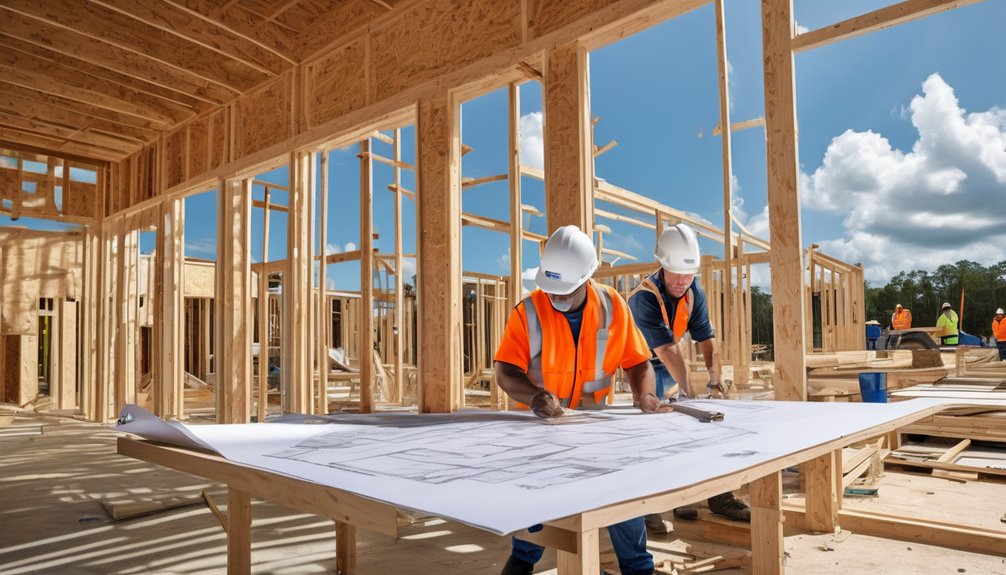
When you hire a residential contractor, understanding their surety bond is crucial for your peace of mind.
A surety bond serves as a financial safety net that protects you in case the contractor fails to fulfill their obligations. This bond ensures that the contractor adheres to all local regulations and completes the project as promised. If they don’t, the bond can provide compensation for any losses you incur.
It’s important to verify that the contractor holds a valid bond from a reputable surety company. Don’t hesitate to ask for documentation and proof of their bond status.
The Role of Third-Party Liability in Construction
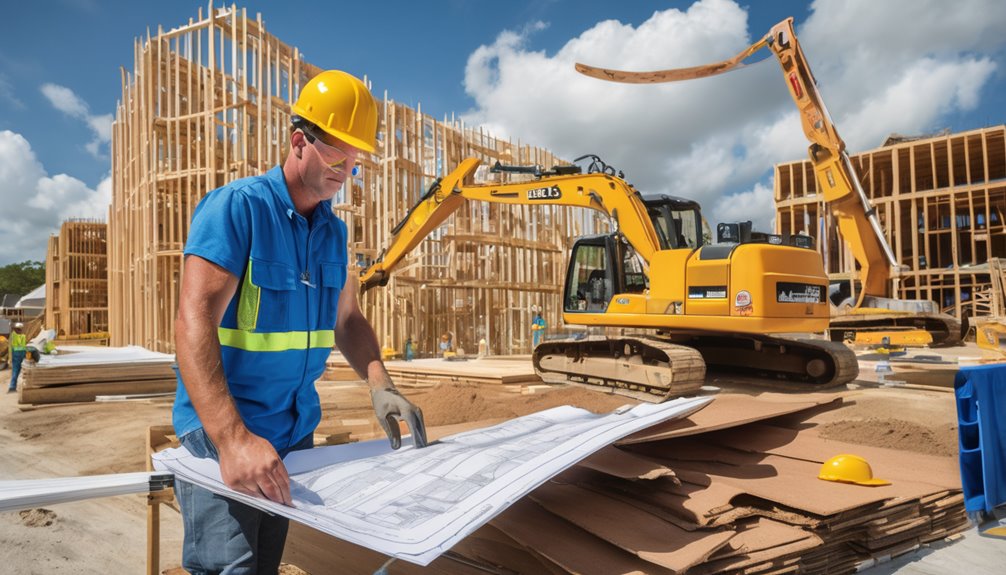
When you’re managing a construction project, understanding third-party liability is crucial.
It helps you recognize the importance of having solid insurance coverage to protect against potential legal claims. Without this protection, you could face significant financial risks that impact both your business and your clients.
Importance of Insurance Coverage
Why is insurance coverage crucial in the construction industry? It’s essential for protecting you and your business from unforeseen events. Accidents can happen on-site, and without proper insurance, you could face significant financial losses.
Third-party liability insurance ensures you’re covered in case of injuries or damages to others during your projects. This coverage not only safeguards your finances but also enhances your credibility as a contractor. Clients are more likely to hire you when they see you’re insured, knowing you take responsibility seriously.
Plus, it helps you comply with local regulations, like those in Haines City, Florida. Investing in insurance coverage is a smart move that ultimately supports your business’s long-term success.
Protecting Against Legal Claims
Protecting your business from legal claims is vital in the construction industry, especially with the risks of accidents and injuries on-site. Third-party liability insurance is a crucial safeguard that helps cover costs if someone outside your business gets injured or suffers property damage due to your work.
This type of coverage not only protects your finances but also enhances your reputation as a responsible contractor.
Additionally, having a contractor’s surety bond can further shield you from legal claims, ensuring that you fulfill your obligations and provide quality work.
Key Requirements for Contractors in Haines City
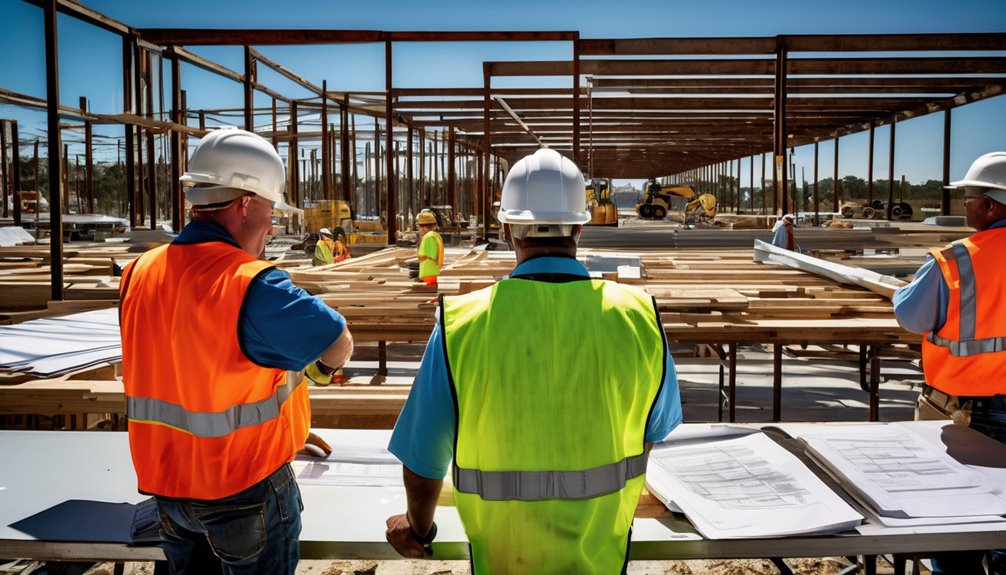
To successfully operate as a contractor in Haines City, you must navigate several key requirements that ensure compliance with local regulations and standards.
First, you’ll need a valid contractor’s license issued by the state of Florida. This involves passing necessary exams and fulfilling experience criteria.
Next, secure the appropriate permits for your projects, as Haines City mandates specific approvals for various types of construction work.
You also have to maintain liability insurance to protect against potential claims.
Additionally, familiarize yourself with local building codes and zoning regulations to avoid costly mistakes.
Lastly, don’t forget to register your business with the city to operate legally.
Meeting these requirements will set you up for success in the contracting industry.
Benefits of Having a Contractor’s Surety Bond
Navigating the requirements to operate as a contractor in Haines City sets a strong foundation, but obtaining a contractor’s surety bond can significantly enhance your standing in the industry.
Here are some key benefits you’ll enjoy:
- Increased Credibility: Clients often view a bonded contractor as more trustworthy, which can lead to more business opportunities and referrals.
- Financial Protection: A surety bond protects you from potential financial losses caused by unforeseen issues, ensuring you’re covered in various situations.
- Competitive Advantage: Having a contractor’s surety bond can set you apart from unbonded competitors, making you a more attractive choice for potential clients.
How Surety Bonds Protect Homeowners
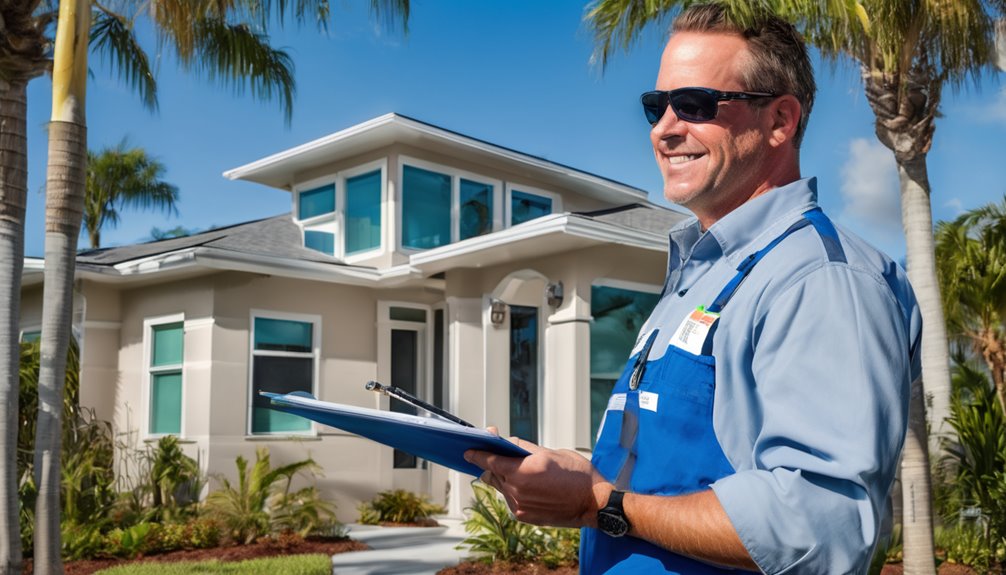
Surety bonds offer you essential protection as a homeowner.
They ensure financial security, guarantee project completion, and enforce legal compliance from contractors.
This means you can feel confident that your investment is safeguarded throughout the construction process.
Financial Security Assurance
When hiring a residential contractor, knowing that your investment is protected can bring peace of mind.
Surety bonds provide essential financial security assurance, ensuring that you’re not left in a lurch if something goes wrong.
Here’s how these bonds protect you:
- Financial Reimbursement: If the contractor fails to meet their obligations, you can claim against the bond to recover financial losses.
- Professional Accountability: Contractors are incentivized to perform well, knowing they’re backed by a surety bond, which holds them accountable for their work.
- Quality Assurance: Surety bonds often require contractors to adhere to specific standards, ensuring that you receive quality workmanship.
With these protections in place, you can confidently move forward with your home improvement project.
Project Completion Guarantee
A project completion guarantee can significantly ease your worries as a homeowner, ensuring that your contractor finishes the job as promised.
When you have a surety bond in place, it acts as a safety net. If your contractor fails to complete the work, the bond provides financial compensation, allowing you to hire another contractor to finish the project. This means you won’t be left in a lurch, facing unexpected costs and delays.
The guarantee also encourages contractors to meet deadlines and maintain quality, knowing they’re accountable for their work.
Legal Compliance Enforcement
While embarking on a home renovation, it’s crucial to ensure your contractor adheres to local laws and regulations. A surety bond protects you by enforcing legal compliance, giving you peace of mind. Here’s how it works:
- Contractor Accountability: If your contractor fails to follow state or local codes, the surety company steps in to address the issue, ensuring adherence to legal standards.
- Financial Protection: Should your contractor default or act unethically, the bond can cover damages or incomplete work, safeguarding your investment.
- Dispute Resolution: The surety bond provides a mechanism for resolving conflicts, making it easier for you to seek restitution without lengthy legal battles.
With a surety bond in place, you can focus on your renovation, knowing you’re protected.
The Process of Obtaining a Contractor’s Surety Bond
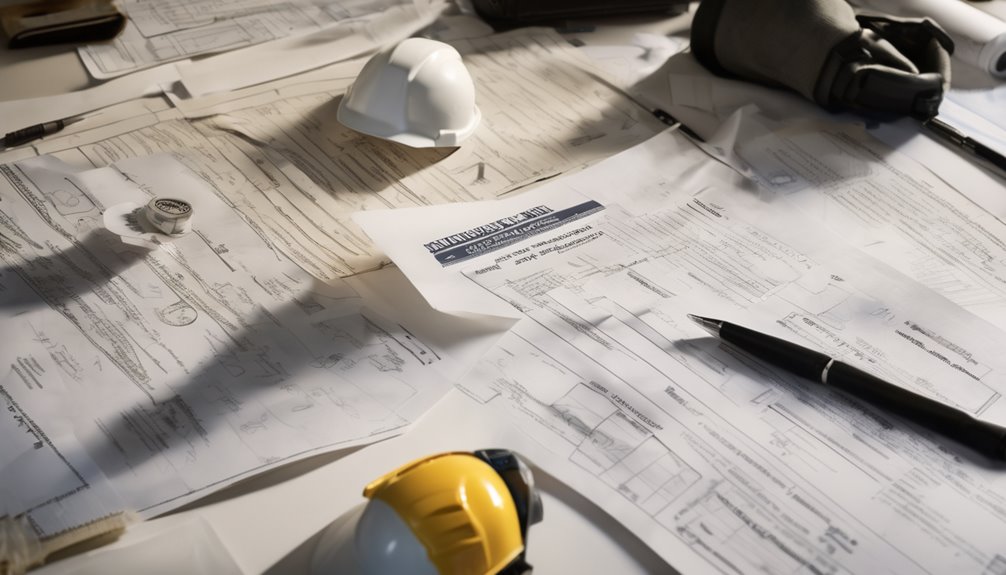
Obtaining a contractor’s surety bond involves several key steps that can streamline the process and ensure compliance with legal requirements.
First, you’ll need to gather the necessary documentation, including your business information, financial statements, and any required licenses.
Next, research surety companies that are reputable and familiar with Haines City regulations.
Once you’ve selected a provider, you’ll submit your application along with the gathered documents.
The surety company will review your financial background and credit history to assess risk.
After approval, you’ll pay the premium to secure the bond.
Finally, ensure you receive a copy of the bond for your records, as it’s essential for both compliance and client assurance.
Common Claims Covered by Surety Bonds
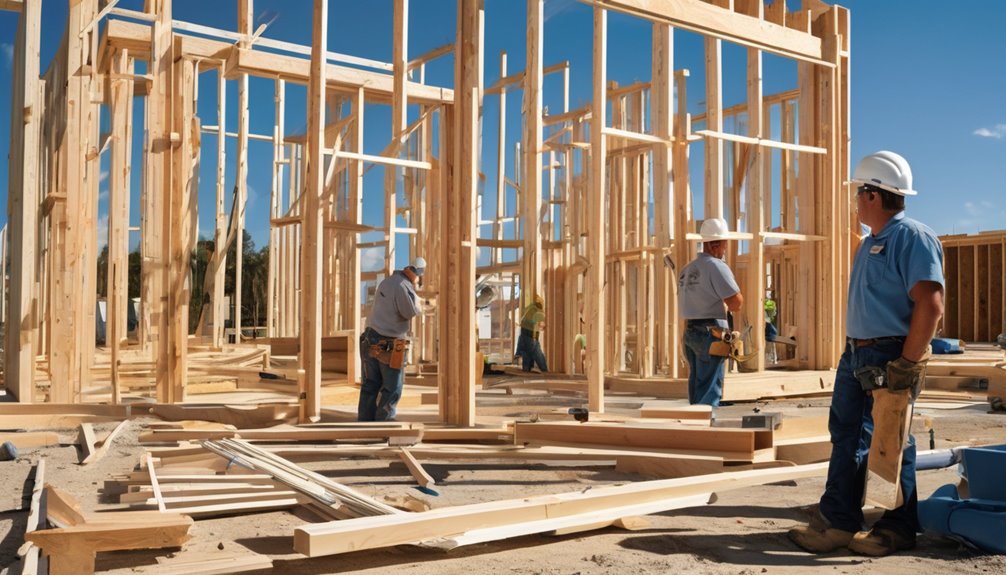
Surety bonds play a crucial role in protecting both clients and contractors by covering specific claims that may arise during a project.
Understanding these common claims can help you appreciate the value of a surety bond. Here are three key claims typically covered:
- Incomplete Work: If you fail to complete the contracted work, clients can claim compensation through the bond.
- Contract Violations: Should you breach the contract terms, the bond can cover damages incurred by the client due to your non-compliance.
- Poor Workmanship: If the quality of your work doesn’t meet industry standards, clients can file a claim for rectification costs.
The Impact of Surety Bonds on Project Success
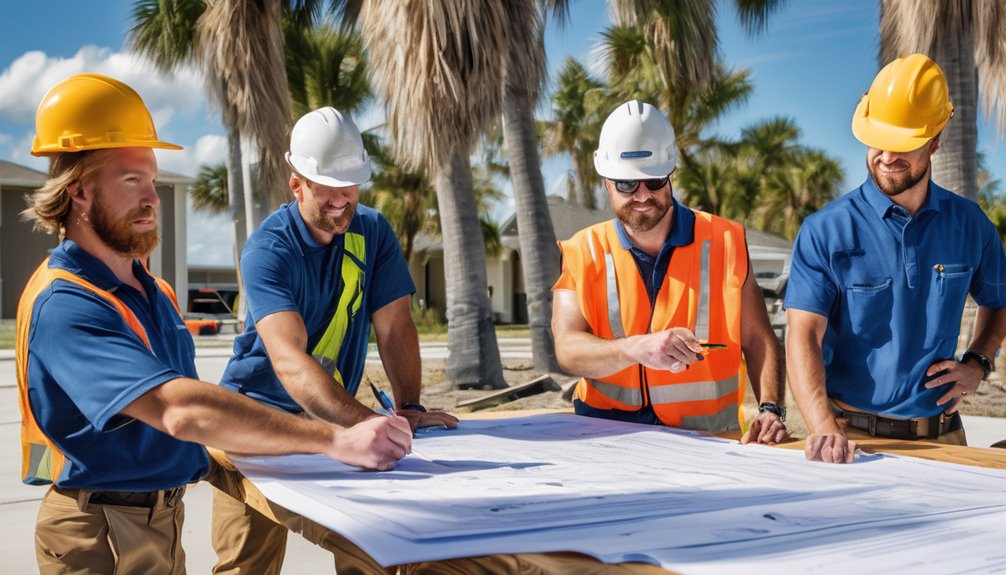
Surety bonds play a crucial role in ensuring your project’s success by providing risk mitigation strategies and financial security assurance.
When you’re backed by a bond, you can focus on delivering quality work without worrying about potential financial pitfalls.
This added layer of protection not only boosts your credibility but also enhances trust among clients and stakeholders.
Risk Mitigation Strategies
While navigating the complexities of residential construction projects, you’ll find that implementing effective risk mitigation strategies is crucial for success.
Surety bonds play a significant role in this process, helping you manage potential risks effectively.
Here are three key strategies to consider:
- Thorough Contractor Vetting: Ensure that you only hire experienced contractors with a solid track record. This minimizes the risk of project delays and quality issues.
- Clear Contractual Agreements: Establish detailed contracts that outline responsibilities, timelines, and penalties for non-compliance. This clarity helps prevent disputes and misunderstandings.
- Regular Progress Monitoring: Keep a close eye on the project’s progress through routine inspections. Addressing issues early can prevent them from escalating into larger problems that might jeopardize the project.
Financial Security Assurance
Financial security is a cornerstone of successful residential construction projects, and that’s where surety bonds come into play. They provide a financial guarantee that projects will be completed according to the contract terms.
When you secure a surety bond, you not only protect your interests but also reassure clients that you’ll fulfill your obligations. This boosts your credibility and enhances your reputation in the industry.
Additionally, surety bonds can facilitate smoother financing, as lenders often view them as a sign of reliability. By investing in a surety bond, you’re not just mitigating risks; you’re also paving the way for project success and future opportunities.
Essentially, surety bonds create a safety net that fosters trust among all parties involved.
Legal Implications of Third-Party Liability
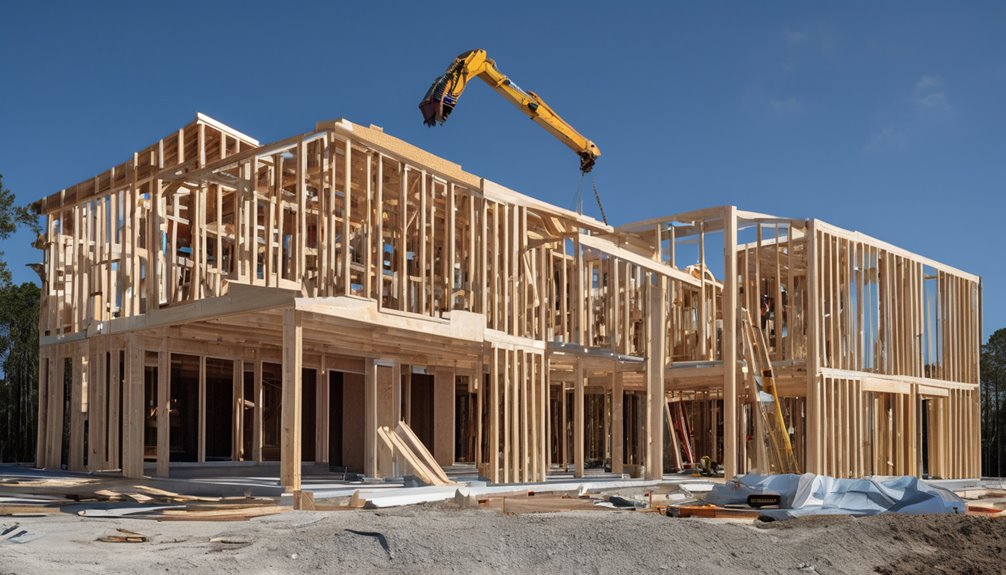
Understanding the legal implications of third-party liability is crucial for residential contractors, as it can significantly impact your business operations.
Being aware of these implications helps you protect your interests and navigate potential risks. Here are three key aspects to consider:
- Negligence Claims: If a third party suffers damages due to your work, they can file a negligence claim against you, leading to costly legal battles.
- Contractual Obligations: Many contracts include indemnification clauses, which may require you to cover legal fees and damages even if you’re not at fault.
- Insurance Requirements: Third-party liability insurance is often essential for compliance, safeguarding your business from unforeseen financial burdens.
Best Practices for Contractors and Homeowners
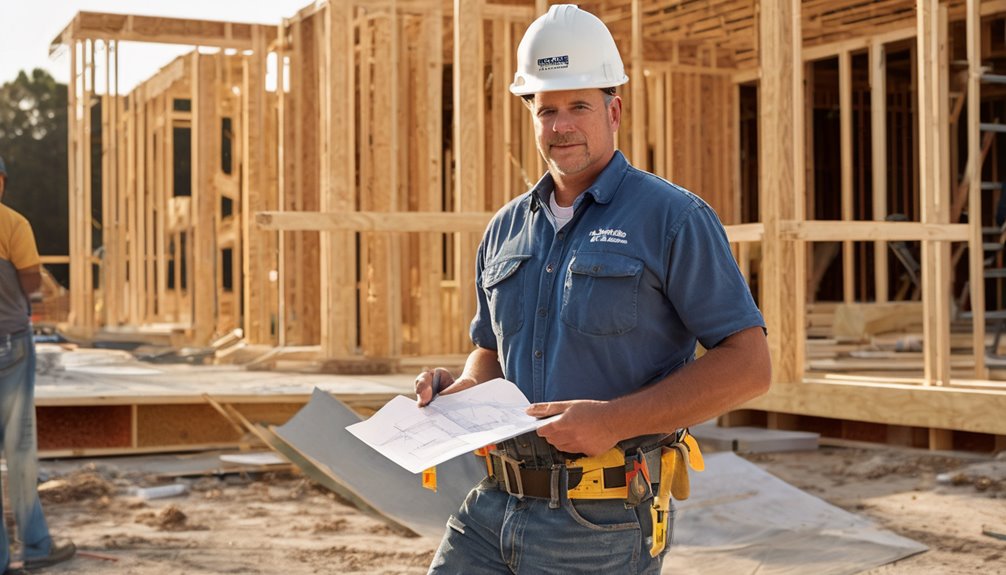
When it comes to ensuring a smooth and successful project, both contractors and homeowners should prioritize clear communication and well-defined expectations.
Start by discussing the project scope, budget, and timelines upfront to avoid misunderstandings. Keep a detailed written contract that outlines responsibilities, payment schedules, and any necessary permits.
Regular check-ins throughout the project can help address concerns before they escalate. Homeowners should verify a contractor’s license and insurance, while contractors should ensure they understand the homeowner’s vision.
Encourage feedback and be open to adjustments as necessary. Lastly, maintaining a respectful and professional relationship fosters collaboration, ultimately leading to a successful outcome for both parties.
Following these best practices can help create a positive experience for everyone involved.
Frequently Asked Questions
How Much Does a Contractor’s Surety Bond Cost in Haines City?
A contractor’s surety bond cost in Haines City varies based on factors like the project’s size and contractor’s credit. Typically, you can expect to pay between 1% to 3% of the bond amount.
Are There Specific Bond Requirements for Different Types of Contractors?
Yes, there’re specific bond requirements for different types of contractors. Each trade might have unique regulations and bonding amounts based on their work’s risk and scope. It’s best to check local guidelines for exact details.
What Happens if a Contractor Fails to Fulfill Their Obligations?
If a contractor fails to fulfill their obligations, you might face delays, increased costs, or incomplete work. It’s essential to understand your rights and consider legal action or financial claims to seek compensation for losses.
Can Homeowners Request Additional Insurance Beyond the Surety Bond?
Yes, homeowners can request additional insurance beyond the surety bond. It’s a smart move to ensure comprehensive coverage, protecting you from potential losses or damages that might occur during the contractor’s work on your property.
How Long Does It Take to Process a Surety Bond Application?
It typically takes a few days to a couple of weeks to process a surety bond application. Factors like the complexity of your application and the bonding company’s workload can influence the timeline.
Conclusion
In conclusion, securing a contractor’s surety bond and maintaining third-party liability insurance are essential steps for contractors in Haines City. These measures not only enhance your credibility but also protect homeowners from potential issues. By understanding the importance of these bonds and insurance, you can foster trust and ensure project success. So, whether you’re a contractor or a homeowner, prioritize these safeguards to create a secure and reliable construction environment.