Get an Instant Quote on Sanitary Sewer Connection or Road Opening Permit Bond Now!

When you’re planning a construction project that involves sanitary sewer connections or road openings, securing a permit bond is essential. This bond not only ensures compliance with local regulations but also protects you from potential penalties. Understanding the nuances of these bonds can save you time and money. So, what do you need to know about obtaining one? Let’s explore the critical aspects of sanitary sewer connection and road opening permit bonds.
Understanding Sanitary Sewer Connection Permits

When you’re planning to connect to a sanitary sewer system, understanding the associated permits is crucial.
These permits ensure that your connection meets local regulations and standards. You’ll typically need to submit an application that includes site plans and possibly engineering drawings.
Be prepared to provide information on your existing plumbing and how it’ll tie into the sewer system. It’s also essential to check for any additional requirements specific to your municipality, as they can vary widely.
Failing to secure the proper permits can lead to costly delays or even fines. Keeping in touch with local authorities can help clarify any uncertainties and streamline the process, ensuring a smooth and compliant connection to the sewer system.
The Importance of Road Opening Permits
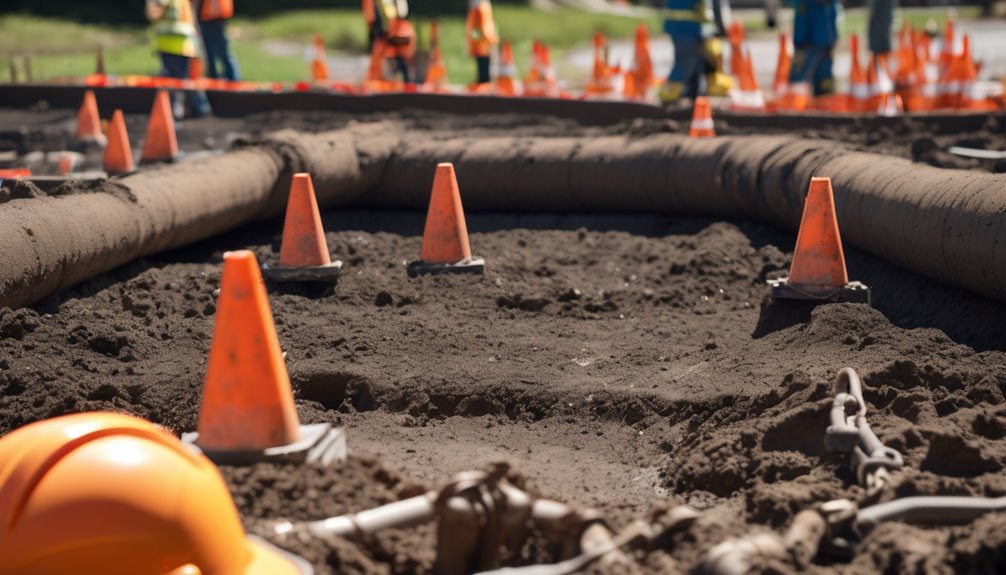
Securing a road opening permit is essential before you dig into the pavement for a sanitary sewer connection. This permit ensures you’re following local laws and regulations, which helps avoid costly fines or penalties.
Plus, it protects public safety by minimizing disruptions to traffic and ensuring that all work is done correctly. Without this permit, you risk damaging existing utilities, leading to further complications and expenses.
The application process may seem tedious, but it’s crucial for maintaining infrastructure integrity. By obtaining a road opening permit, you show responsibility and respect for your community.
What Is a Permit Bond?

Obtaining a road opening permit is just one part of the process when it comes to making a sanitary sewer connection.
A permit bond is a crucial requirement that ensures compliance with local regulations. Essentially, it’s a financial guarantee that you’ll adhere to the terms of the permit. If you fail to meet these requirements, the bond can be used to cover any necessary repairs or penalties. This protects the municipality and other stakeholders involved in the project.
Benefits of Securing a Permit Bond

While many may overlook it, securing a permit bond offers several significant benefits that can enhance the overall success of your sanitary sewer connection project.
First, it demonstrates your commitment to adhering to local regulations, which can build trust with authorities and neighbors alike.
By having a bond, you also protect yourself financially; if any issues arise during the project, the bond can cover costs, saving you from unexpected expenses.
Additionally, a permit bond can expedite the approval process, as it showcases your professionalism and preparedness.
This proactive step can lead to smoother communication with local agencies, making your project more efficient.
Ultimately, securing a permit bond positions you for a successful and hassle-free connection experience.
Steps to Obtain a Sanitary Sewer Connection or Road Opening Permit Bond

Having a permit bond is just the beginning of your journey toward a successful sanitary sewer connection.
First, check your local regulations to understand the specific requirements for obtaining a bond.
Next, gather all necessary documentation, like your contractor’s license and project details.
Then, reach out to a reputable surety bond provider who can guide you through the process. They’ll assess your application and may require a credit check.
Once approved, you’ll pay the premium to secure the bond.
After securing it, submit the bond along with your permit application to the relevant local authority.
Finally, keep a copy of the bond for your records, ensuring you’re prepared for any inspections or follow-ups.
Frequently Asked Questions
What Is the Cost of a Permit Bond?
The cost of a permit bond varies depending on factors like the project size, location, and specific requirements. You should check with your local authority for accurate pricing tailored to your needs.
How Long Does a Permit Bond Last?
A permit bond typically lasts until the project’s completion or until the bond’s terms are fulfilled. You should check specific regulations or consult your bond provider for the exact duration in your situation.
Can I Transfer My Permit Bond to Another Project?
You can’t typically transfer your permit bond to another project. Each bond is specific to its project and requirements. You’ll need to apply for a new bond for the new project instead.
What Happens if I Violate Permit Conditions?
If you violate permit conditions, you might face penalties, including fines or permit revocation. It’s crucial to adhere to all stipulations to avoid complications and ensure your project progresses smoothly without legal issues.
Are There Exemptions for Certain Types of Projects?
Yes, there’re exemptions for certain project types. You should check local regulations or consult with officials to see if your project qualifies. Understanding these exemptions can save you time and potentially reduce your costs.
Conclusion
In summary, securing a sanitary sewer connection or road opening permit bond is essential for your construction project. It not only ensures compliance with local regulations but also protects you and the community from potential issues. By taking the necessary steps to obtain this bond, you demonstrate your commitment to safety and professionalism. So, don’t underestimate the importance of this financial guarantee—it’ll help you build trust with local authorities and keep your project on track.