Get an Instant Quote on Curb & Walk Layer Excavating Bond Now!

If you’re planning a construction project in the Town of Windsor, you’ll need to understand the Curb & Walk Layer Excavating Bond. This bond isn’t just a formality; it’s a vital safeguard for both you and the community. It ensures that your work meets local standards and protects against potential issues. Curious about the steps you’ll need to take to secure this bond and what it involves? Let’s explore that further.
Understanding the Curb & Walk Layer Excavating Bond
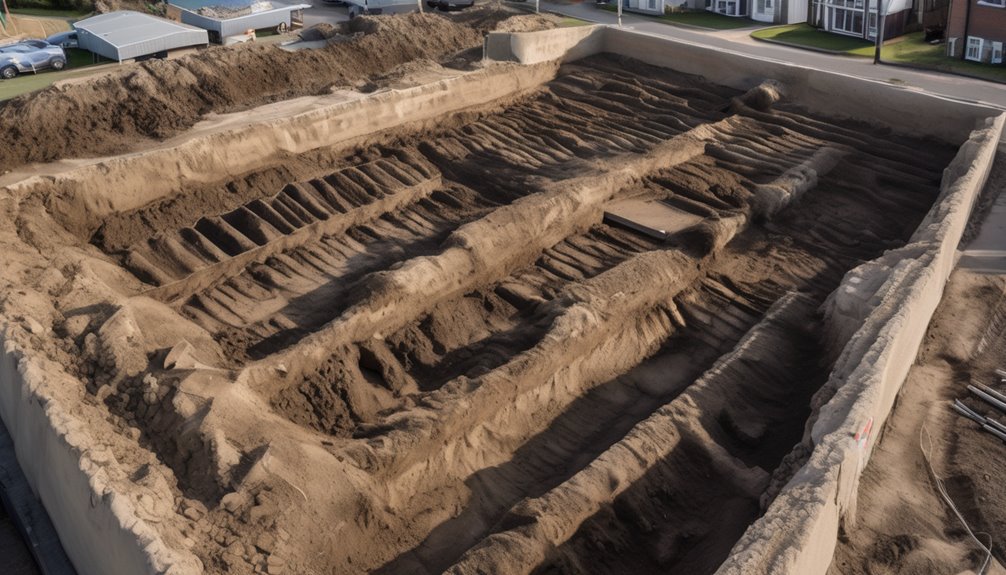
When you dive into the world of curb and walk layer excavating bonds, it’s essential to grasp how they work. These bonds serve as a financial guarantee that contractors will complete their work according to local regulations.
You’ll find that they protect municipalities from potential losses due to incomplete or substandard projects. Understanding the bond requirements helps you ensure compliance and avoid penalties.
Typically, you’ll need to submit documentation, including proof of insurance and a detailed project plan. This process not only reinforces accountability but also enhances the quality of work.
Familiarizing yourself with these bonds can save you time and money in the long run. So, before starting any project, make sure you’re well-versed in the bond’s specifics.
Importance of the Bond for Community Infrastructure
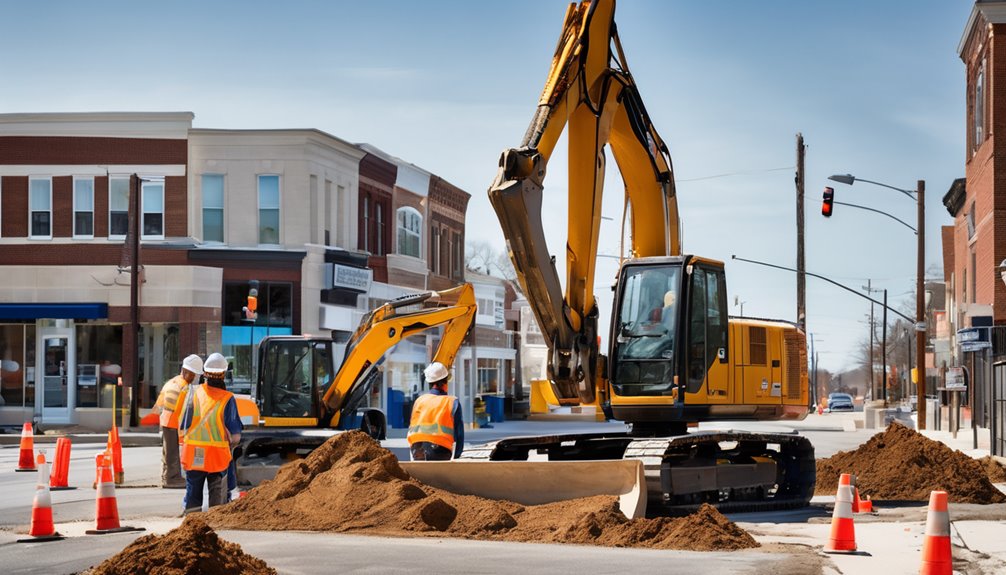
The significance of the curb and walk layer excavating bond for community infrastructure can’t be overstated. This bond acts as a financial safety net, ensuring that projects meet necessary standards and regulations.
When you uphold this bond, you contribute to safer sidewalks and curbs, which enhances mobility for pedestrians and cyclists. By securing the bond, you demonstrate a commitment to quality workmanship, minimizing the risk of future repairs and disruptions.
This proactive approach fosters community trust, showing residents that their safety and comfort are priorities. Ultimately, the bond plays a vital role in maintaining the integrity of public spaces, ensuring that infrastructure projects benefit everyone and stand the test of time.
Your involvement makes a lasting impact.
Who Needs to Obtain the Bond?
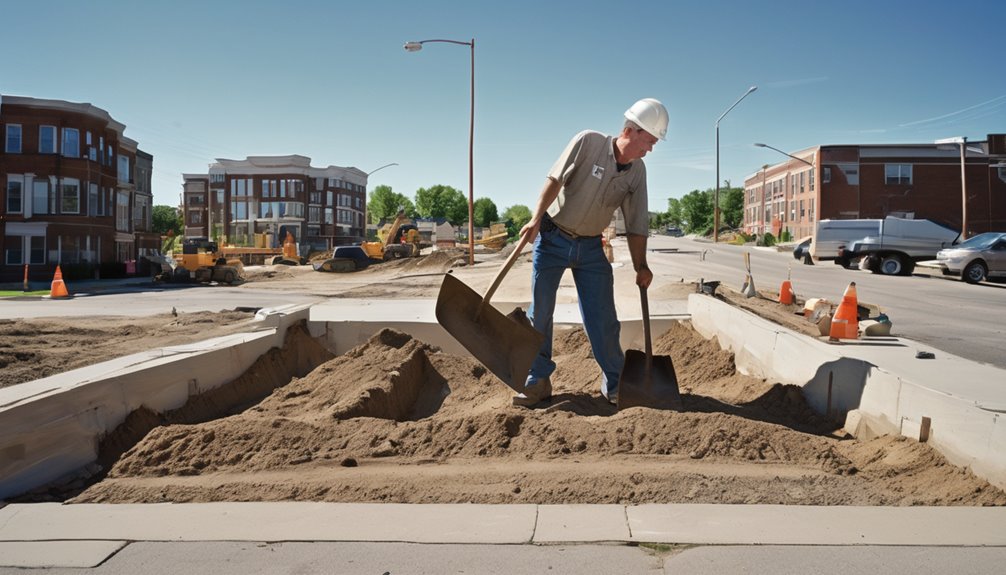
Whether you’re a contractor, developer, or municipality, obtaining a curb and walk layer excavating bond is essential for anyone involved in public infrastructure projects. This bond ensures that you adhere to local regulations and standards while safeguarding the community’s interests.
Here are some key groups who need to obtain the bond:
- Contractors – If you’re managing construction projects, this bond protects against potential damages or incomplete work.
- Developers – Those creating new developments must secure the bond to comply with local ordinances.
- Municipalities – Local governments often require this bond to maintain public safety and infrastructure integrity.
- Subcontractors – If you work under a primary contractor, obtaining this bond can enhance your credibility and ensure compliance.
Understanding your role in obtaining this bond helps protect your project and community.
Steps to Apply for the Bond
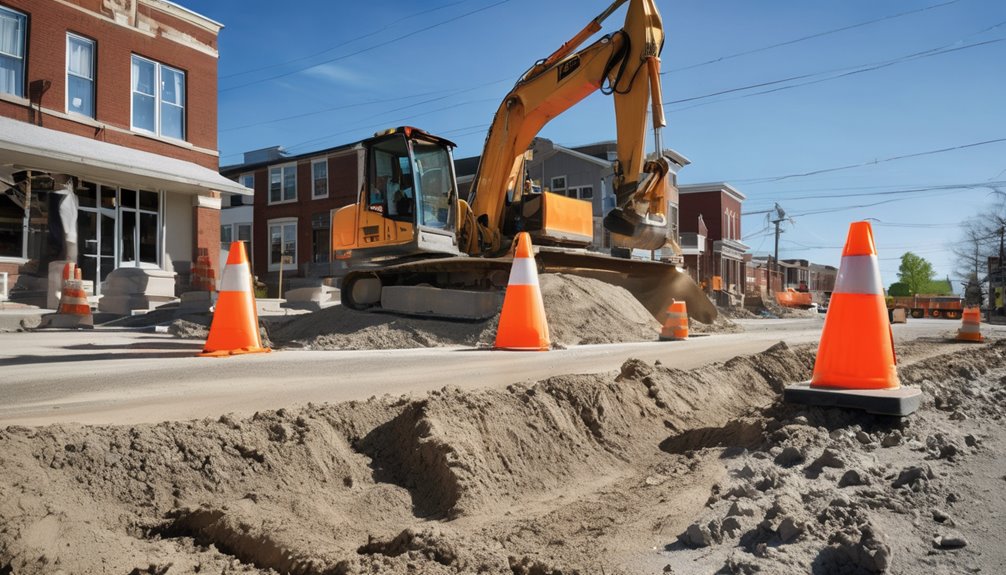
When you’re ready to apply for the Curb & Walk Layer Excavating Bond, you’ll need to gather specific documents to support your application.
Make sure you have everything on the required documentation checklist before you start the application submission process.
This preparation will streamline your experience and help you secure your bond more efficiently.
Required Documentation Checklist
Applying for a Curb & Walk Layer Excavating Bond requires careful preparation and attention to detail.
To ensure your application is complete, gather the following documentation:
- Completed Application Form – Fill out the official form accurately to avoid delays.
- Proof of Insurance – Provide evidence of liability insurance that meets the town’s requirements.
- Financial Statements – Include recent financial documents to demonstrate your fiscal responsibility.
- Project Plans – Submit detailed plans or drawings for the excavation work you intend to perform.
Having these documents ready will streamline the application process and help you avoid potential setbacks.
Application Submission Process
To successfully submit your Curb & Walk Layer Excavating Bond application, you’ll want to follow a clear process that ensures all required materials are in order.
First, gather the necessary documentation outlined in the checklist. Once you have everything, complete the application form accurately. Double-check for any missing information or errors to avoid delays.
Next, submit your application along with the required fees to the designated town office. It’s a good idea to keep copies of everything you send for your records.
After submission, allow for processing time, and be prepared to provide any additional information if requested.
Finally, you’ll receive confirmation once your bond is approved, so stay tuned for updates!
Cost Factors Associated With the Bond
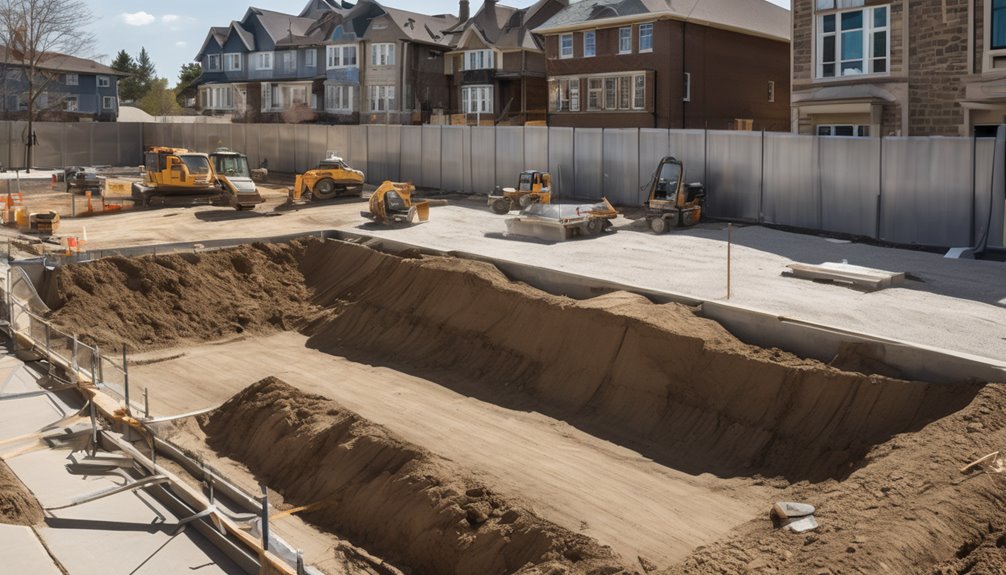
When you’re considering the cost of the curb and walk layer excavating bond, you’ll need to think about the bond amount requirements and any administrative fees.
These factors can significantly impact your overall expenses. Understanding them will help you budget more effectively for your project.
Bond Amount Requirements
Understanding bond amount requirements is crucial for anyone involved in curb and walk layer excavating projects. The bond amount ensures compliance and protects both you and the town.
Here are four key factors that influence the bond amount:
- Project Scope: Larger projects typically require higher bond amounts due to increased risk and investment.
- Local Regulations: The Town of Windsor may have specific bonding requirements based on their policies.
- Risk Assessment: A thorough evaluation of potential risks associated with your project can impact the bond amount.
- Historical Performance: If you have a track record of successful projects, it could lead to lower bonding costs.
Administrative Fees Considerations
Alongside bond amounts, you’ll need to consider various administrative fees that can influence the overall cost of your curb and walk layer excavating project.
These fees often include application fees, processing charges, and inspection costs that the town may impose. It’s essential to research these expenses, as they can vary significantly depending on your project’s scope and location.
You might also encounter additional costs related to permits or licenses required for your work.
Don’t overlook the potential for late fees if you miss deadlines or fail to submit documents on time.
Bond Requirements and Regulations
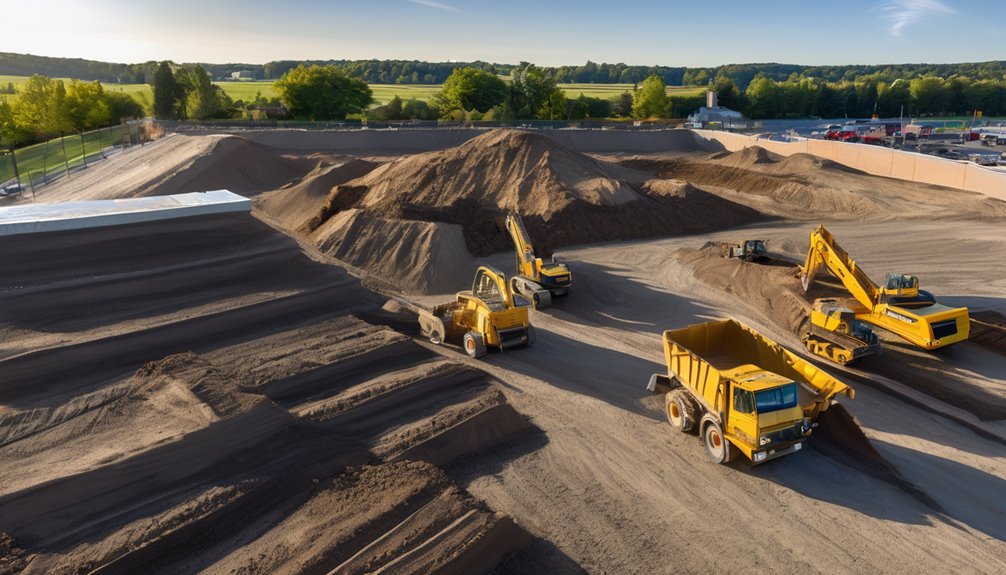
Before starting any curb and walk layer excavating project, it’s crucial to be aware of the bond requirements and regulations that govern your work. Understanding these rules ensures you’re compliant and protects your investment.
Here are some key points to consider:
- Bond Amount: Check the specific bond amount required for your project, as it can vary based on scope and locality.
- Duration: Know the duration for which the bond must remain in effect, typically until the work is satisfactorily completed.
- Insurance Requirements: Ensure you have the necessary liability insurance in place, as this often ties into bonding regulations.
- Application Process: Familiarize yourself with the application process for obtaining your bond, including necessary documentation and approvals.
Staying informed helps you navigate the complexities of bonding effectively.
Common Challenges in the Bonding Process
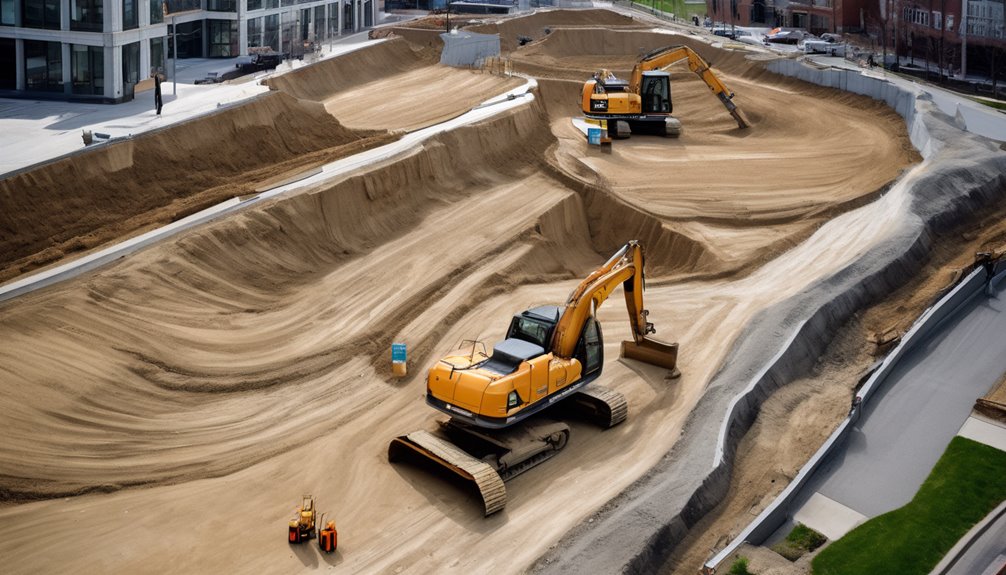
While navigating the bonding process for your curb and walk layer excavating project, you may encounter several common challenges that can complicate your efforts.
One major hurdle is understanding the specific requirements set by your local authorities, which can vary significantly. You might also face difficulties in securing the right bonding company, as not all insurers cover this type of work.
Delays in paperwork can further hinder progress, often resulting in time-sensitive project setbacks. Additionally, misunderstandings about the bond amount needed can lead to financial strain.
It’s crucial to maintain clear communication with all parties involved to mitigate these issues and ensure that your project stays on track and compliant with local regulations.
Responsibilities of Contractors and Property Owners
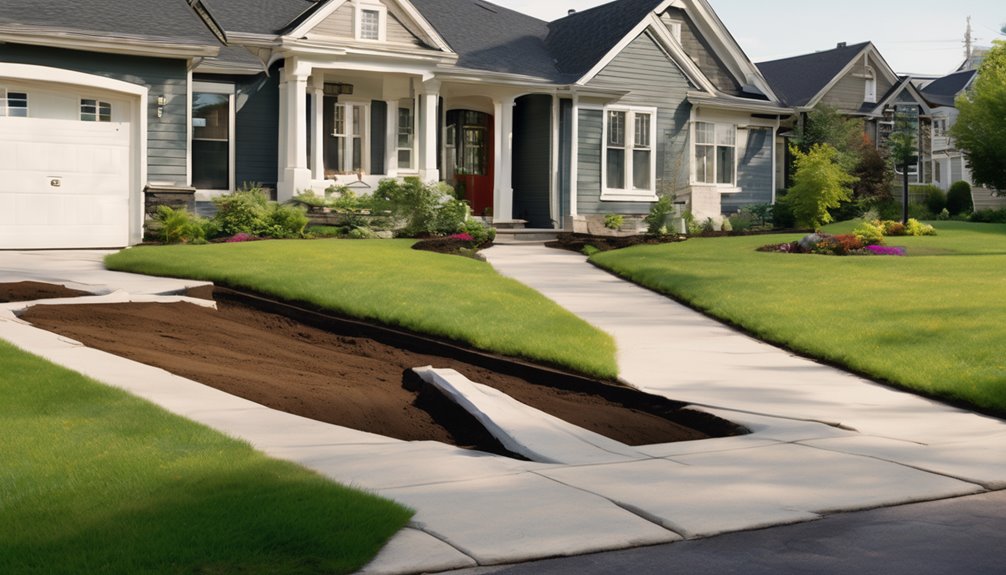
Understanding the bonding process is just one part of a larger equation involving the responsibilities of contractors and property owners. Both parties must collaborate effectively to ensure project success and compliance with local regulations.
Here are key responsibilities to keep in mind:
- Contractors must ensure they’re licensed and insured, adhering to all safety and quality standards.
- Property Owners should provide clear project specifications and maintain open communication throughout the process.
- Contractors need to schedule regular progress updates, addressing any concerns promptly.
- Property Owners must ensure timely payments, which helps keep the project on track and fosters a positive working relationship.
How the Bond Protects the Town of Windsor
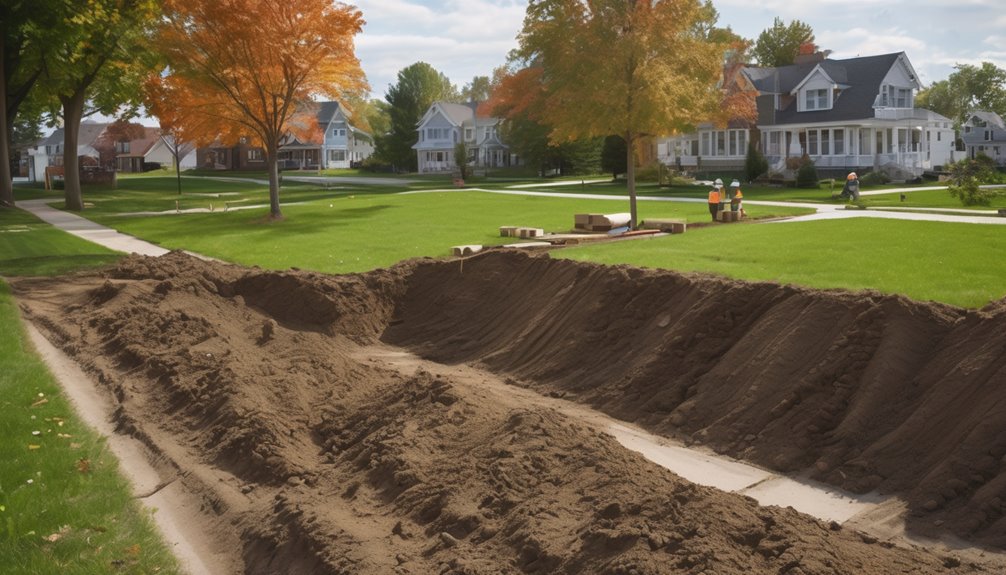
The bond plays a crucial role in protecting the Town of Windsor by ensuring that contractors fulfill their obligations and adhere to local regulations.
When you engage a contractor for curb and walk layer excavation, the bond guarantees that they’ll complete the work to the required standards. If they fail to meet these requirements, the town can claim against the bond to cover any necessary repairs or compliance costs.
This financial security not only protects public safety but also maintains the aesthetic quality of your community. You can have peace of mind knowing that the bond holds contractors accountable, ensuring they follow through on their commitments.
Ultimately, this safeguards the town’s infrastructure and enhances the overall quality of life for residents.
Resources for Further Information and Assistance
When you’re looking for more information about curb and walk layer excavation bonds, several valuable resources can help you.
These resources can provide clarity on regulations, application processes, and best practices.
- Town of Windsor’s Official Website – Access guidelines and updates directly from local authorities.
- State Department of Transportation – Find state-specific regulations and bonding requirements for excavation.
- Local Contractors Association – Connect with experienced professionals who can offer insights and support.
- Legal Advisors Specializing in Construction Law – Consult with experts to ensure compliance and understand your rights and obligations.
Frequently Asked Questions
What Is the Duration of the Curb & Walk Layer Excavating Bond?
The duration of a typical curb and walk layer excavating bond usually spans a specified period, often a few years. You’ll want to check local regulations to confirm the exact timeframe for your project.
Can the Bond Be Transferred to Another Contractor?
You can usually transfer a bond to another contractor, but it depends on specific terms and conditions. Check the bond’s documentation or consult with the issuer to confirm if a transfer is allowed.
What Happens if a Contractor Defaults on the Bond?
If a contractor defaults on the bond, you’ll typically need to file a claim to recover losses. The surety company then investigates, and if valid, they’ll compensate you, ensuring the project gets completed.
How Often Do Bonds Need to Be Renewed?
Bonds typically need renewal annually, but it depends on the specific terms outlined in the bond agreement. You should review your bond’s conditions to ensure compliance and avoid any potential lapses in coverage.
Are There Any Exemptions for Small Projects?
Yes, there are often exemptions for small projects. You should check local regulations, as they vary by jurisdiction. Smaller undertakings may not require certain bonds, saving you time and money in the process.
Conclusion
In conclusion, securing a Curb & Walk Layer Excavating Bond is essential for contractors in the Town of Windsor. It not only protects the community by ensuring high-quality work but also fosters trust between contractors and property owners. By understanding the bond’s requirements and responsibilities, you can navigate the process smoothly and contribute to the town’s infrastructure. Don’t hesitate to reach out for resources or assistance to make your project a success.