In construction, understanding the right-of-way is essential for smooth project execution. It impacts how general contractors coordinate with specialists like plumbers and concrete experts. Each contractor plays a unique role, from site preparation by excavation teams to the intricate plumbing installations. But what happens when challenges arise? Knowing how these professionals interact can make or break your project's success. Let's explore the dynamics and important considerations in this process.
Understanding Right-of-Way: Definition and Importance
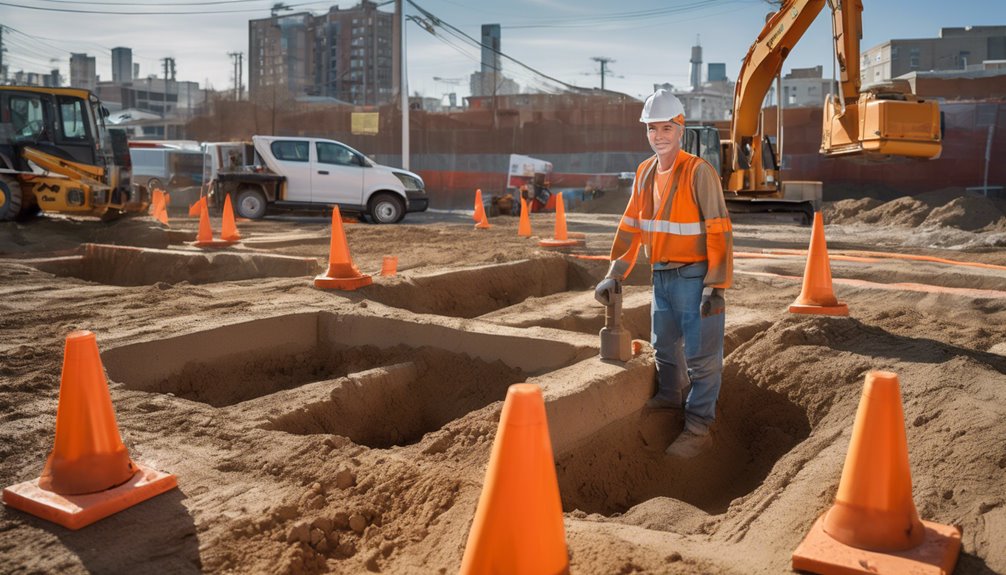
Understanding right-of-way is crucial for anyone involved in construction or utility projects. Essentially, right-of-way refers to the legal right to use land for a specific purpose, such as installing utilities, roadways, or pipelines.
It's important because it determines who can access land and under what conditions. Without proper right-of-way agreements, you could face delays, legal disputes, or financial losses. Knowing the boundaries of right-of-way can also help you navigate environmental regulations and zoning laws.
When planning your project, always verify existing right-of-way easements to avoid conflicts. This understanding not only protects your interests but also ensures smooth project execution and compliance with local laws.
Ultimately, respecting right-of-way can save you time, money, and headaches down the road.
The Role of General Contractors in Construction Projects
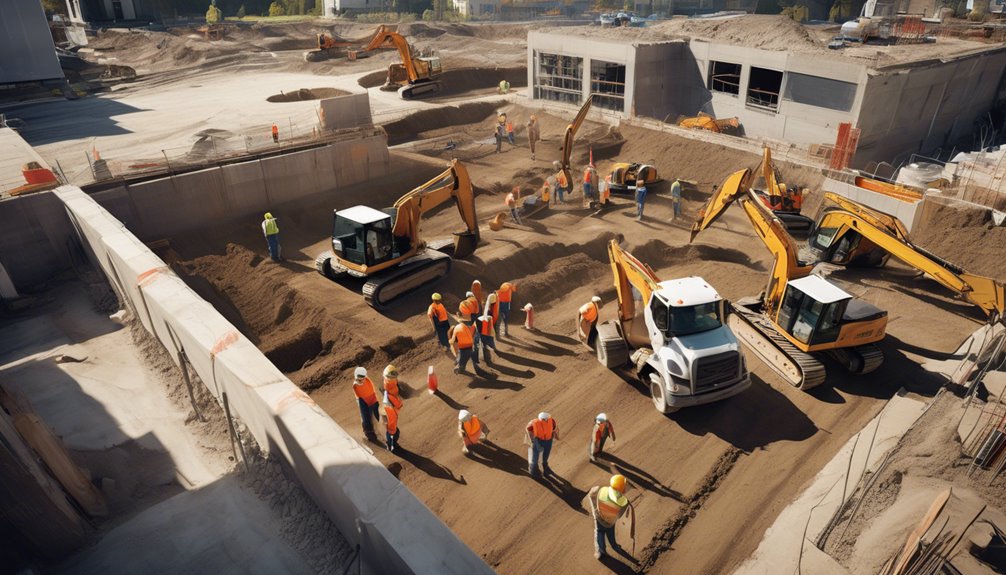
When managing a construction project, general contractors play a pivotal role in ensuring everything runs smoothly. They serve as the primary point of contact, coordinating various trades and subcontractors to meet project timelines and budgets.
You'll rely on them to interpret blueprints and specifications, making sure the project stays on track. General contractors also oversee site safety, ensuring compliance with local regulations and standards.
They manage procurement, sourcing materials at competitive prices while maintaining quality. Additionally, they handle communication between stakeholders, addressing concerns promptly to avoid delays.
Key Responsibilities of Plumbing Contractors
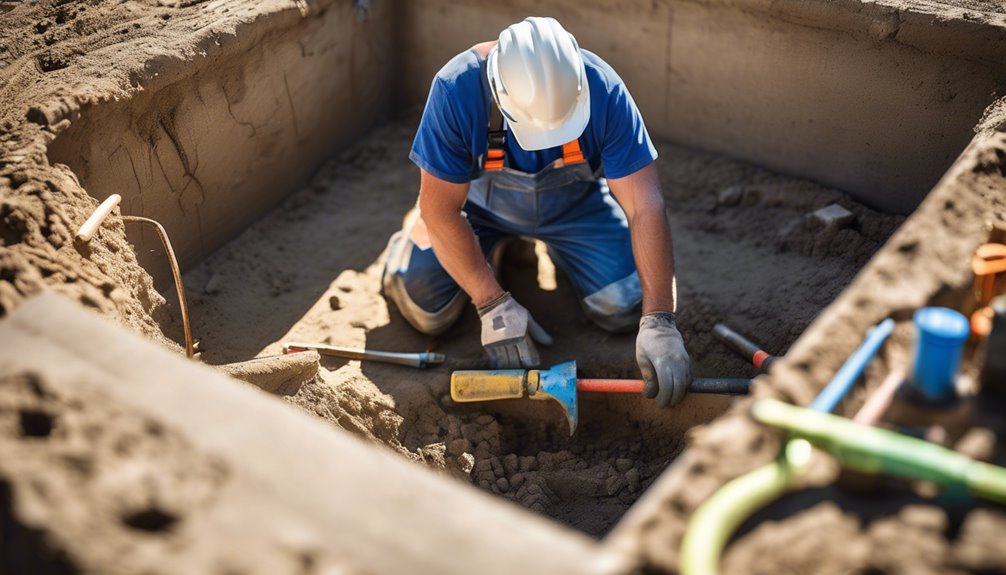
Plumbing contractors play a crucial role in any construction project, ensuring that water supply and drainage systems are installed correctly and function efficiently.
You'll be responsible for assessing blueprints and building plans to determine the layout of plumbing systems. Installing pipes, fixtures, and appliances is a key part of your job, as is ensuring compliance with local plumbing codes and regulations.
You'll also troubleshoot any plumbing issues that arise, performing necessary repairs to keep systems operational. Additionally, coordinating with other contractors is essential, as it helps maintain project timelines.
Lastly, you'll need to conduct regular inspections and maintenance to ensure long-term performance. Your expertise is vital to a successful and functional construction project.
Concrete Work: Techniques and Best Practices
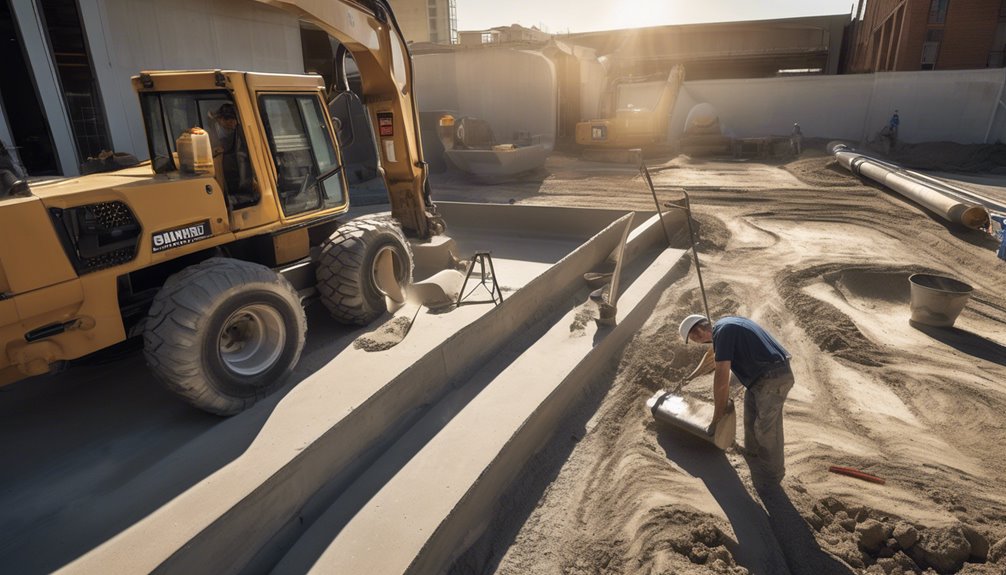
When it comes to concrete work, having the right tools is crucial for achieving quality results.
You'll also want to understand effective curing methods to ensure your concrete sets properly.
Let's explore these essential techniques and best practices together.
Essential Tools Required
Concrete work demands a specific set of tools to ensure precision and efficiency.
You'll need a sturdy concrete mixer to blend your materials properly. A hand trowel is essential for finishing edges and smoothing surfaces. For larger jobs, a power trowel can save you time and effort. Use a concrete float to level and finish the surface effectively.
Don't forget your measuring tools—accurate measurements are crucial. A screed helps you level the wet concrete, while a bull float enhances the finish. Safety gear, like gloves and goggles, protects you during the process.
Lastly, a wheelbarrow is invaluable for transporting materials. Equip yourself with these tools, and you'll be well-prepared to tackle any concrete project with confidence.
Curing Methods Explained
After gathering the right tools for your concrete project, understanding the curing process is vital for achieving optimal strength and durability.
Curing helps retain moisture in the concrete, allowing it to harden properly. There are several effective methods you can use.
First, you can cover the surface with wet burlap or plastic sheeting to keep it moist. Alternatively, you might spray water on the concrete periodically, especially in hot weather. Chemical curing compounds are another option; they form a film that traps moisture.
Whichever method you choose, aim to cure your concrete for at least seven days. This ensures it reaches its full potential, reducing the risk of cracks and increasing longevity.
Excavation Contractors: Essential Functions and Equipment
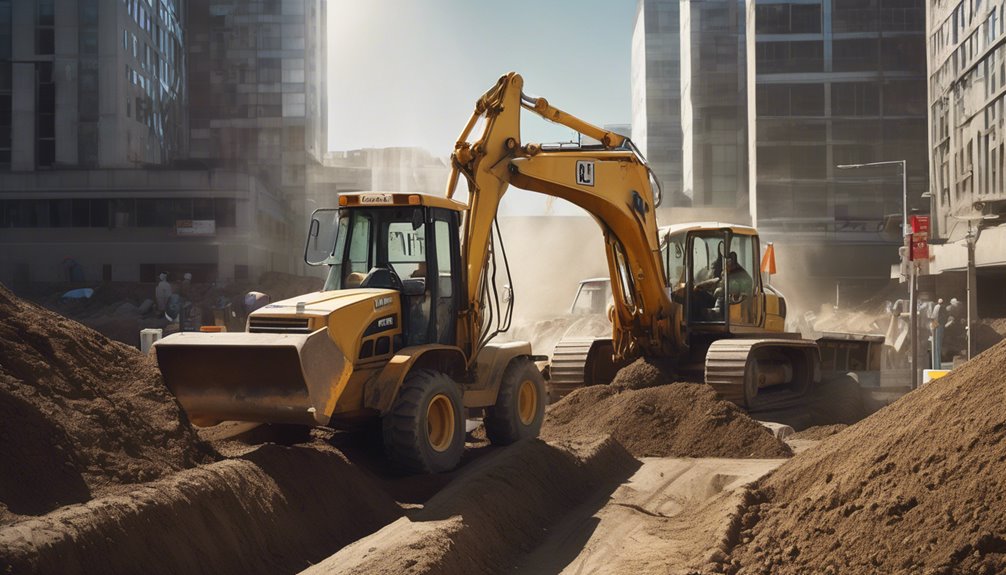
Excavation contractors play a crucial role in construction projects, laying the groundwork for everything from roads to buildings. You'll find them engaged in site preparation, digging trenches, and removing soil to create a solid foundation.
Their essential functions also include grading land, managing drainage systems, and ensuring proper excavation depth for safety and stability.
To perform these tasks, excavation contractors rely on specialized equipment. Excavators, backhoes, and bulldozers are just a few of the machines they use daily.
Each piece of equipment serves a specific purpose, from lifting heavy loads to leveling terrain. By leveraging their expertise and advanced machinery, you can ensure a smooth and efficient start to any construction project, laying the foundation for future success.
Navigating Local Regulations and Permits
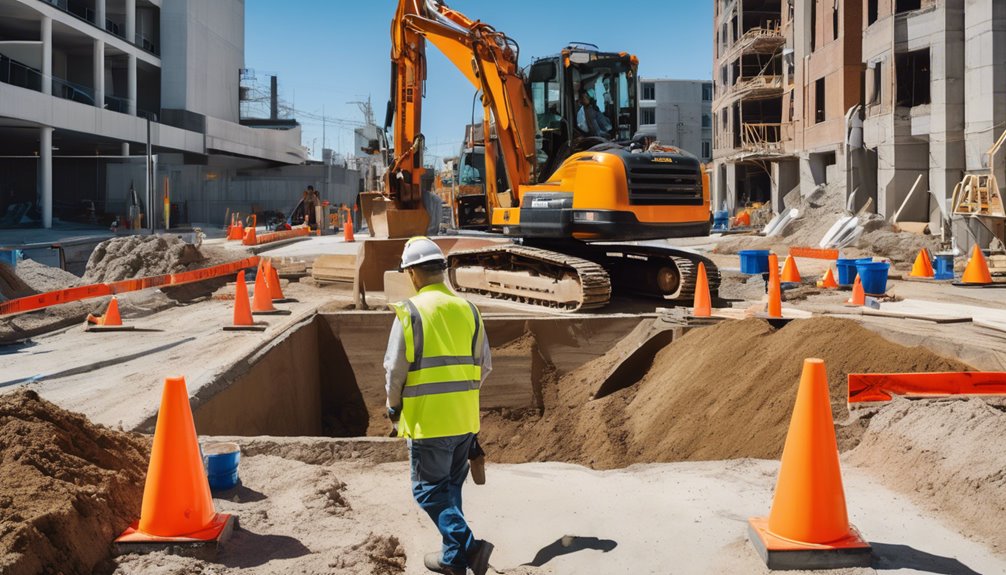
Understanding local codes is crucial before starting any project.
You'll need to navigate the permit application process and ensure your work complies with regulations.
Staying on top of inspections will help you avoid costly delays and keep your project on track.
Understanding Local Codes
Navigating local regulations and permits can feel overwhelming, but it's essential for any project involving plumbing, concrete, or excavation.
Understanding local codes is the first step to ensure your work complies with legal requirements. Here are three key aspects to focus on:
- Zoning Laws: Check if your project location is zoned for the intended use. This affects what you can build or modify.
- Building Codes: Familiarize yourself with safety and structural standards specific to your area. These codes vary widely and must be adhered to.
- Environmental Regulations: Be aware of any environmental guidelines that could impact your project, especially if you're working near wetlands or other sensitive areas.
Permit Application Process
Before you dive into your project, it's crucial to grasp the permit application process, as it can significantly impact your timeline and budget.
Start by researching local regulations to determine what permits you need. Each municipality has its own rules, so don't assume anything. Gather necessary documents, such as site plans and project descriptions, to support your application.
Once you submit your application, be prepared for potential delays or requests for additional information. Communicate with local authorities and stay proactive to address any concerns quickly.
Always double-check deadlines and fees associated with your permits to avoid surprises. By navigating this process effectively, you'll set a solid foundation for your project and keep everything on track.
Compliance and Inspections
Once you've secured your permits, the next step is ensuring compliance with local regulations and preparing for inspections.
Understanding what inspectors look for can save you time and hassle. Here are three key points to focus on:
- Know the Codes: Familiarize yourself with local building codes and standards. This ensures your work meets all safety and quality requirements.
- Documentation: Keep all permits, plans, and inspection reports organized. Having these readily available demonstrates your commitment to compliance.
- Pre-Inspection Check: Conduct a self-inspection before the official one. This allows you to address any potential issues early, minimizing the chance of costly rework.
The Interplay Between Different Contractors
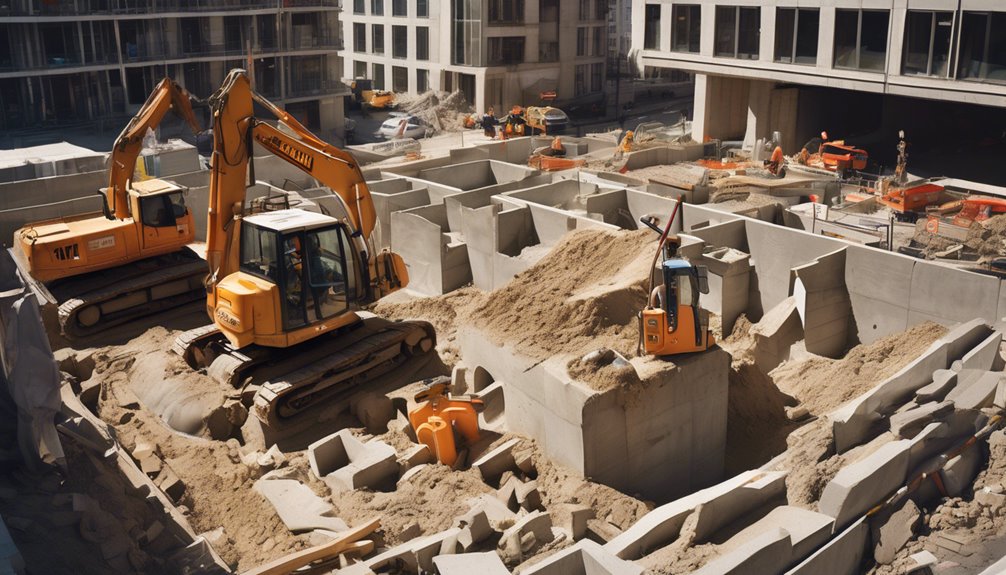
While working on a construction project, you'll quickly realize how crucial the interplay between different contractors is to the overall success of the job. Each contractor brings their expertise to the table, whether it's the general contractor overseeing the project, the plumber handling the piping, or the excavation contractor preparing the site.
Clear communication is key; you need to coordinate schedules and share information to avoid costly delays. When one contractor's work affects another's, like plumbing needing to be installed before concrete is poured, timing becomes essential.
Building a collaborative environment fosters problem-solving and ensures that everyone's contributions align seamlessly. By respecting each contractor's role and maintaining open lines of communication, you can help create a smoother, more efficient workflow.
Common Challenges in Construction Projects
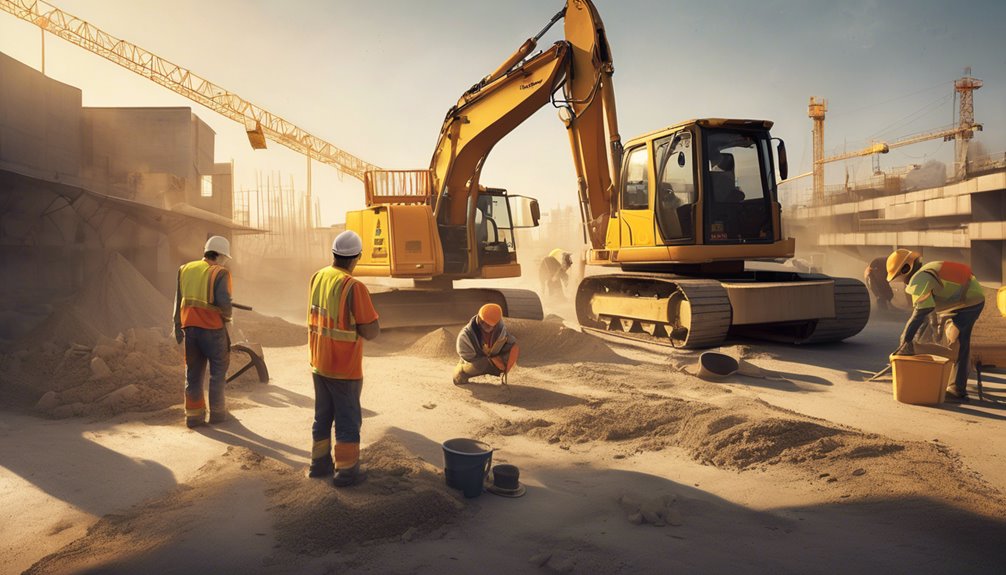
Construction projects often face a range of common challenges that can jeopardize timelines and budgets. You might encounter issues that require quick problem-solving to keep everything on track.
Here are three major challenges you should be aware of:
- Delays in Permitting: Waiting for necessary permits can stall your project, leading to increased costs and frustration.
- Budget Overruns: Unexpected expenses, such as material price hikes or labor shortages, can quickly drain your budget.
- Communication Breakdowns: Miscommunication between contractors, suppliers, and clients can lead to misunderstandings and costly errors.
Tips for Homeowners: Hiring the Right Professionals
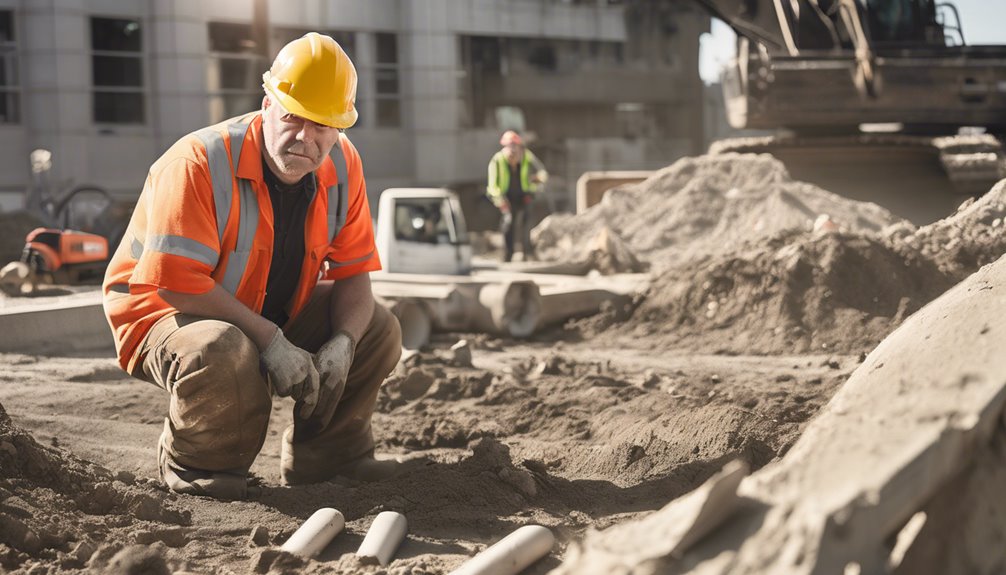
When you're ready to tackle a home project, hiring the right professionals can make all the difference in ensuring a smooth process and successful outcome.
Start by researching potential contractors, checking their licenses, and reading reviews. Ask for recommendations from friends or family who've had similar work done.
It's essential to get multiple quotes to compare pricing and services. Don't just focus on cost; evaluate their experience and communication style too.
Once you've found a candidate, ask for references to gauge their reliability and quality of work.
Finally, ensure you have a clear contract that outlines the scope of work, timeline, and payment terms. This will help protect you and make the project flow smoothly.
Future Trends in Construction and Infrastructure Development

As home projects evolve, so do the methods and materials used in construction and infrastructure development.
You'll notice several trends shaping the future of the industry that can enhance your projects.
- Sustainable Materials: Eco-friendly options like recycled concrete and bamboo are becoming popular, helping reduce environmental impact.
- Smart Technology: Integrating smart home systems and IoT devices can optimize energy efficiency and improve safety.
- Prefabrication: Off-site construction techniques speed up the building process, reduce waste, and often lower costs.
Frequently Asked Questions
What Are the Legal Implications of Right-Of-Way Violations?
When you violate legal boundaries, you risk fines and potential lawsuits. Understanding your obligations and responsibilities is crucial. Ignoring them may lead to costly consequences, impacting your reputation and future dealings in any project.
How Can Homeowners Resolve Disputes With Contractors Effectively?
You can resolve disputes with contractors effectively by communicating openly, documenting issues, and seeking compromise. If necessary, involve third parties like mediators or consider legal advice to ensure your rights are protected and a fair resolution is reached.
What Insurance Is Required for Construction Contractors?
You'll need general liability insurance to cover property damage and personal injury. Workers' compensation protects employees in case of accidents. Depending on your project, additional coverage like professional liability might be necessary, too.
How Do Contractors Handle Environmental Impact Assessments?
You assess environmental impacts by conducting thorough evaluations, consulting experts, and following regulations. You gather data, identify potential risks, and implement mitigation strategies to ensure your projects comply with environmental standards and minimize harm.
What Are Common Safety Protocols on Construction Sites?
On construction sites, you ensure safety by wearing protective gear, conducting regular inspections, implementing access controls, providing safety training, and maintaining clear communication. These protocols help minimize risks and protect everyone involved from potential hazards.
Conclusion
In conclusion, understanding the roles of various contractors is key to a successful construction project. From securing the right-of-way to managing plumbing and concrete work, each professional plays a vital part. By recognizing their responsibilities and the importance of collaboration, you can navigate challenges more effectively. When hiring, ensure you choose the right experts for your needs. Embracing future trends in construction can also lead to better outcomes for your projects.