When it comes to construction and infrastructure projects, understanding the roles of right-of-way, concrete, general, HVAC, and excavation contractors is crucial. Each contractor brings unique expertise that contributes to the overall success of a project. You might find yourself wondering how these roles interplay and affect timelines and costs. Let's explore how each of these contractors impacts construction and why their collaboration is essential to achieving project goals.
Right-of-Way Management Services
When you're managing a project that requires access to specific land areas, effective right-of-way management services are essential. These services ensure you navigate the complexities of land acquisition and regulatory compliance smoothly.
You'll need to identify and assess the necessary land, negotiate with landowners, and secure the required permits. Additionally, skilled professionals can help mitigate potential conflicts, ensuring your project stays on track and within budget.
By maintaining clear communication with all stakeholders, you foster collaboration and minimize disruptions. Prioritizing right-of-way management not only streamlines your project but also enhances its overall success.
Investing in these services allows you to focus on the core aspects of your project, knowing that the land access issues are being handled efficiently.
Concrete Contractor Offerings
Concrete contractors play a crucial role in transforming your construction vision into reality. They offer a wide range of services tailored to meet your specific needs.
From pouring foundations to creating decorative concrete finishes, they've got you covered. If you're looking for durable driveways or sidewalks, they can expertly handle that, too.
Their expertise also extends to concrete repair and resurfacing, ensuring your existing structures look as good as new. You can count on them for customized solutions, whether it's stamped concrete for aesthetics or reinforced slabs for heavy loads.
With their skills, you'll benefit from a strong, functional, and visually appealing concrete structure that enhances your property's value and longevity. Trust their experience to deliver quality results.
General Contractor Responsibilities
As the backbone of any construction project, a general contractor oversees all aspects to ensure everything runs smoothly.
You'll manage schedules, coordinate with subcontractors, and keep communication open among all parties involved. It's your job to secure permits and adhere to local building codes, ensuring compliance at every step.
You'll also handle budgets, keeping costs in check and addressing any financial discrepancies that arise. Monitoring the quality of work is crucial, so you'll conduct regular site inspections and enforce safety protocols to protect workers.
HVAC Installation and Maintenance
While ensuring your HVAC system operates efficiently is essential, proper installation and regular maintenance are crucial steps that shouldn't be overlooked.
You need to start with a qualified technician who can install the system correctly, ensuring optimal airflow and energy efficiency.
After installation, don't forget about routine maintenance; this includes changing filters, cleaning ducts, and checking refrigerant levels. These tasks not only extend the lifespan of your system but also improve indoor air quality.
You should schedule professional inspections at least once a year to catch any potential issues early. Staying proactive with your HVAC care saves you money on energy bills and costly repairs down the line.
Keep your home comfortable and your system running smoothly by prioritizing installation and maintenance.
Excavation and Earthwork Solutions
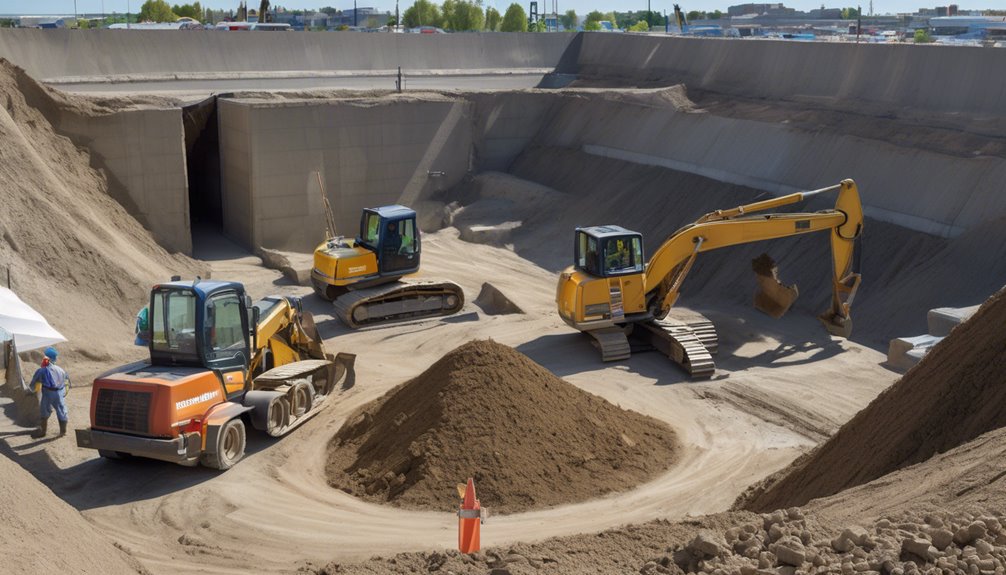
When you're planning a construction project, understanding excavation and earthwork solutions is vital for laying a solid foundation.
You'll need to assess the site's topography, soil type, and drainage to determine the best approach. Excavation involves removing soil and rock to create trenches, foundations, or basements, while earthwork focuses on moving and grading soil to prepare the site.
Choosing the right equipment, like excavators and bulldozers, ensures efficiency and safety. It's also crucial to comply with local regulations and environmental guidelines.
Proper planning and execution of these tasks not only enhance site stability but also contribute to the project's overall success. Partnering with experienced contractors can streamline the process and help you avoid costly mistakes.
Frequently Asked Questions
What Qualifications Should I Look for in a Contractor?
When choosing a contractor, look for relevant experience, proper licensing, insurance coverage, and positive reviews. It's important they communicate clearly, provide detailed estimates, and have a solid portfolio showcasing their previous work. Trust your instincts!
How Do I Determine Project Timelines and Budgets?
To determine project timelines and budgets, you should assess your goals, gather quotes from contractors, and create a detailed plan. Regularly communicate with your team to adjust timelines and budgets as needed throughout the process.
Are There Permits Required for Construction Projects?
Yes, you'll likely need permits for construction projects. It's crucial to check with local authorities to understand specific requirements and ensure compliance, as failing to obtain necessary permits can lead to delays and penalties.
What Insurance Coverage Should Contractors Have?
You should ensure you have general liability, workers' compensation, and commercial auto insurance. These cover accidents, injuries, and property damage, protecting both you and your clients. Always check state requirements for specific coverage needs.
How Can I Ensure Quality Control During the Project?
To ensure quality control during your project, establish clear standards, conduct regular inspections, and maintain open communication with your team. You should also document progress and address any issues immediately to keep everything on track.
Conclusion
In conclusion, whether you're navigating land acquisition with right-of-way services, building with concrete, managing projects as a general contractor, installing efficient HVAC systems, or preparing sites through excavation, each role is crucial for successful construction. By understanding these services, you can better appreciate the collaborative effort that goes into creating durable and functional structures. So, when planning your next project, remember the importance of each contractor and how they contribute to your vision becoming a reality.