In construction, various contractors play vital roles that directly impact project success. Right of way, concrete, general, HVAC, and excavation contractors each bring unique expertise to the table. Understanding how these professionals interact can streamline processes and enhance efficiency. But knowing who to hire and how to navigate their specialties can be challenging. Let's explore the intricacies of these roles and what you need to consider for your next project.
Understanding Right of Way Services
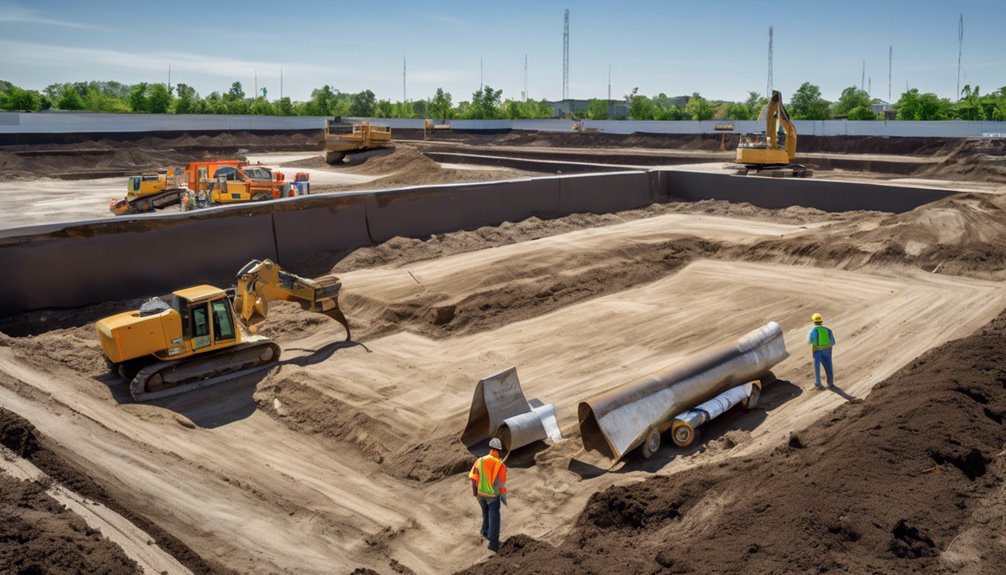
When you're navigating the complexities of construction and infrastructure projects, understanding right of way services is crucial.
These services deal with the legal and logistical aspects of acquiring land or easements necessary for your project. You'll often need to negotiate with property owners, local governments, and utility companies to secure the right of way.
This process involves conducting surveys and environmental assessments to identify any potential issues. It's essential to comply with regulations to avoid delays or legal challenges.
By grasping the right of way process, you can streamline your project timeline and minimize costs.
Ultimately, having a solid understanding of right of way services sets the foundation for a successful construction endeavor.
The Importance of Concrete Contractors
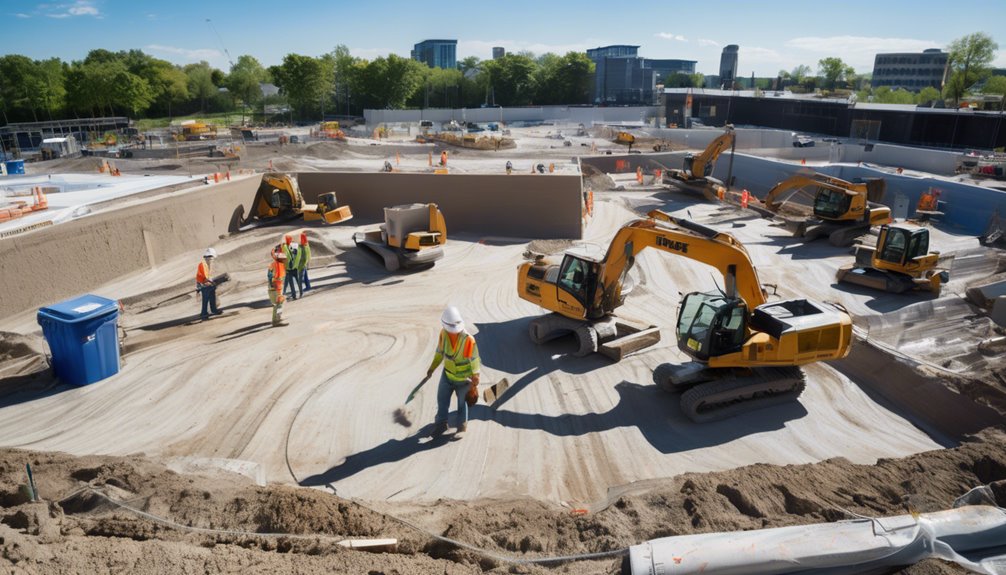
When you think about concrete contractors, consider how crucial they're for your project's success.
They ensure quality material selection, which directly impacts the durability of your structure.
Plus, their expertise guarantees structural integrity, giving you peace of mind that your investment is sound.
Quality Material Selection
Choosing the right materials is crucial for any construction project, and concrete contractors play a vital role in this process.
When you collaborate with skilled concrete contractors, you ensure that your project uses high-quality materials tailored to your specific needs. They understand the different types of concrete mixes, additives, and reinforcement options available, helping you select what's best for durability and performance.
By prioritizing quality, you're not just investing in aesthetics; you're also enhancing the longevity of your structures. With their expertise, you can avoid costly mistakes and ensure that your project meets local regulations and standards.
Ultimately, partnering with knowledgeable concrete contractors leads to better results and peace of mind throughout the construction process.
Structural Integrity Assurance
Quality material selection lays the groundwork for the structural integrity of your project, and that's where concrete contractors really shine. They understand the nuances of different concrete mixes and how each affects strength and durability.
By choosing the right materials and techniques, they ensure your structure can withstand various stresses, from weather conditions to daily wear and tear.
Concrete contractors also perform critical tests during and after the pouring process, identifying potential weaknesses early. Their expertise in reinforcing methods, like rebar placement, further enhances your project's resilience.
You can trust that their attention to detail and adherence to building codes will safeguard your investment. Ultimately, partnering with skilled concrete contractors means you're prioritizing the longevity and safety of your construction.
General Contractors: The Project Managers
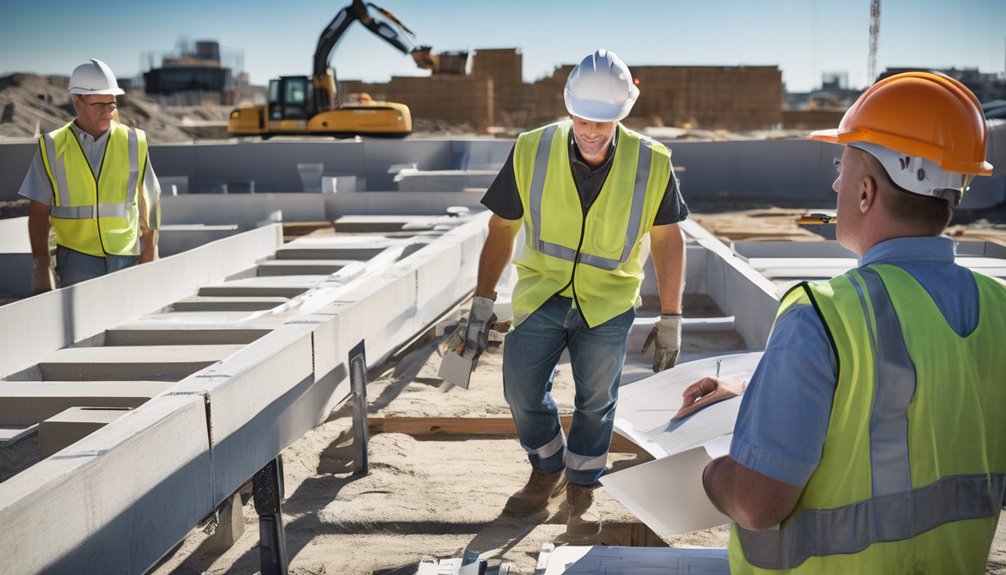
General contractors serve as the pivotal project managers in construction, ensuring that every phase runs smoothly and efficiently.
You'll find them coordinating with subcontractors, suppliers, and clients, making certain that everyone's on the same page. They handle the scheduling, budgeting, and quality control, keeping the project on track and within budget.
When issues arise, you're likely to see them troubleshooting and problem-solving on the spot, ensuring minimal delays. Their expertise in navigating local regulations and permits is invaluable, helping to avoid legal complications.
HVAC Systems: Ensuring Comfort and Efficiency
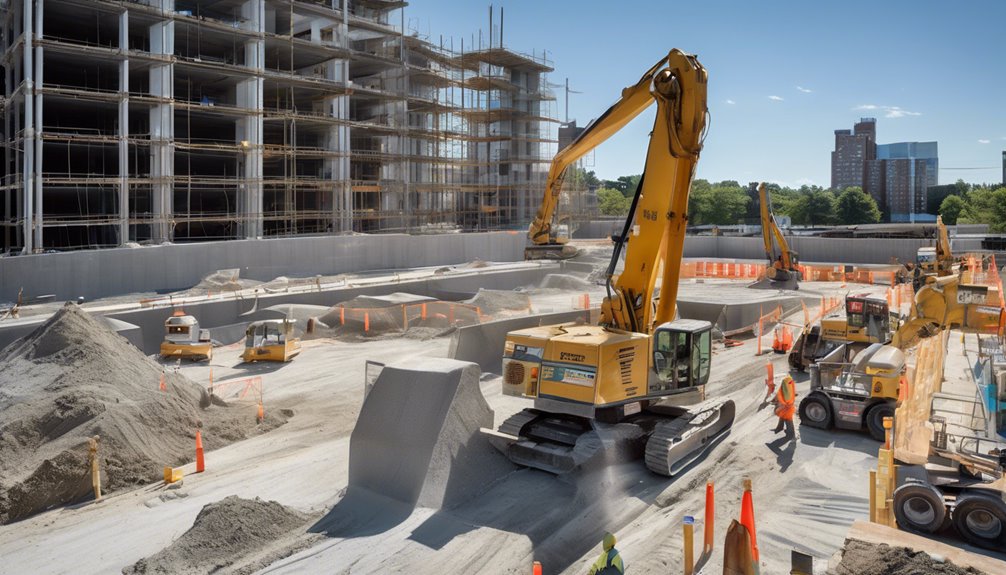
While you may not think about it often, HVAC systems play a crucial role in maintaining a comfortable indoor environment throughout the year.
By effectively heating and cooling your space, these systems ensure you stay comfortable regardless of the weather outside.
To maximize your HVAC's efficiency, consider the following:
- Regular maintenance checks to prevent breakdowns
- Programmable thermostats for energy savings
- High-efficiency filters for better air quality
- Proper insulation to retain temperature
- Duct sealing to reduce energy loss
Investing in a reliable HVAC system not only enhances your comfort but also saves you money on energy bills.
You'll appreciate the consistent temperature and improved air quality, making your home a more enjoyable place to live.
The Role of Excavation Contractors
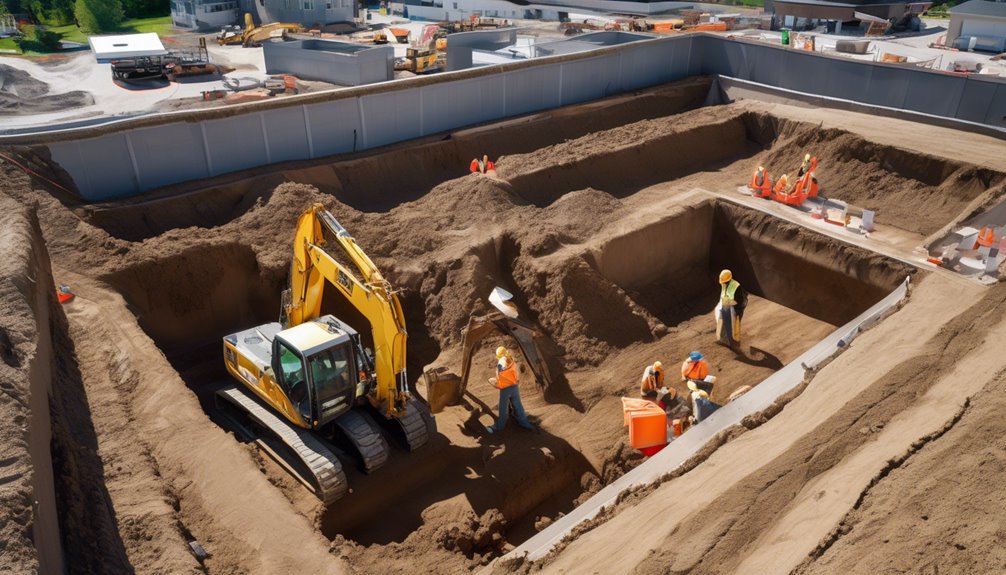
Excavation contractors play a crucial role in any construction project, as they handle the initial groundwork that sets the stage for everything that follows.
You'll find them using a variety of techniques and specialized equipment to ensure the site is prepared safely and efficiently.
Understanding their methods and adherence to safety standards can help you appreciate the complexity of their work.
Excavation Techniques and Methods
Understanding the various excavation techniques and methods is crucial, especially when you're working with professionals who can navigate the complexities of the job.
Each technique has its own purpose and application, helping you achieve optimal results for your project. Here are some key methods you should be aware of:
- Trenching: Ideal for utility installations and drainage systems.
- Digging: Basic excavation for foundations or landscaping.
- Bulk Excavation: Removing large quantities of soil for major projects.
- Site Preparation: Leveling and clearing land for construction.
- Dredging: Excavating underwater for ports or waterways.
Equipment and Tools Used
When tackling an excavation project, having the right equipment and tools is essential for efficiency and safety.
You'll want to start with a reliable excavator, as it's your primary machine for digging and moving earth. Backhoes and skid-steer loaders are also valuable for smaller tasks and tight spaces.
Don't forget about compactors for soil stability and trenchers for digging narrow channels.
Hand tools like shovels, picks, and rakes are crucial for detailed work and finishing touches. Personal protective equipment, including helmets and gloves, is a must to keep you safe on-site.
Utilizing the right gear not only streamlines your workflow but also helps prevent costly mistakes, ensuring the project runs smoothly from start to finish.
Safety Standards and Practices
While working on an excavation project, adhering to safety standards and practices is crucial for protecting both the crew and the site.
You need to ensure that everyone understands the importance of safety measures. Here are some key practices to follow:
- Conduct regular safety meetings to discuss potential hazards.
- Use proper personal protective equipment (PPE), including hard hats, gloves, and steel-toed boots.
- Mark and secure the excavation site to prevent unauthorized access.
- Implement a system for checking equipment before each use to ensure everything's functioning properly.
- Be aware of underground utilities and always call for locates before digging.
Navigating Permits and Regulations
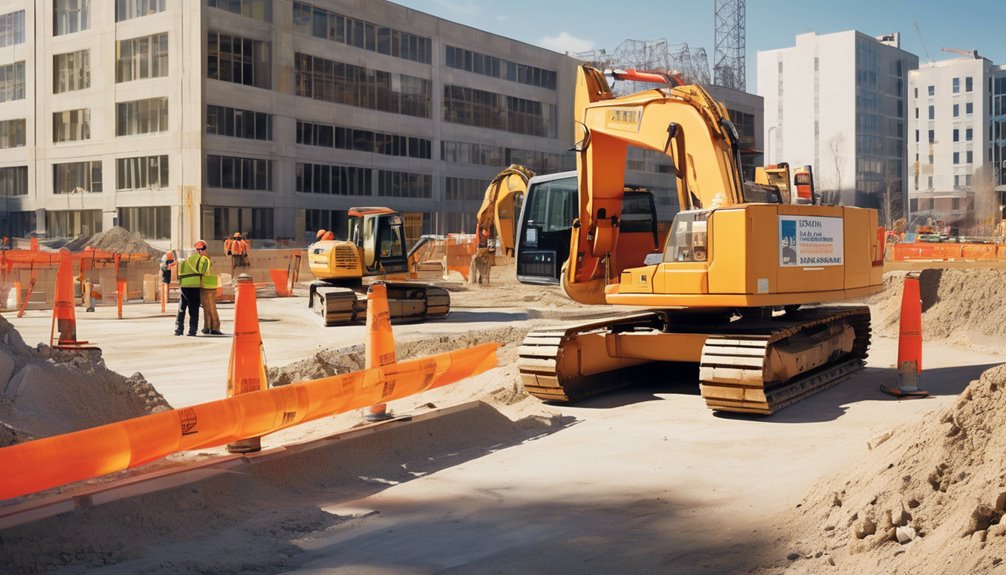
How can you ensure your project stays on track amidst the maze of permits and regulations? Start by researching local building codes and zoning laws that apply to your project.
Visit your city's planning department to gather necessary information and application forms. Don't hesitate to ask questions; clarity is key.
Next, keep track of submission deadlines and required documentation to avoid delays. It's crucial to maintain open communication with local authorities, ensuring you address any concerns promptly.
Consider hiring a professional familiar with regulatory processes to streamline your efforts.
Finally, always double-check that your permits are approved before starting work, as operating without them can lead to costly fines and project setbacks.
Stay organized, and your project will progress smoothly.
Collaboration Among Contractors
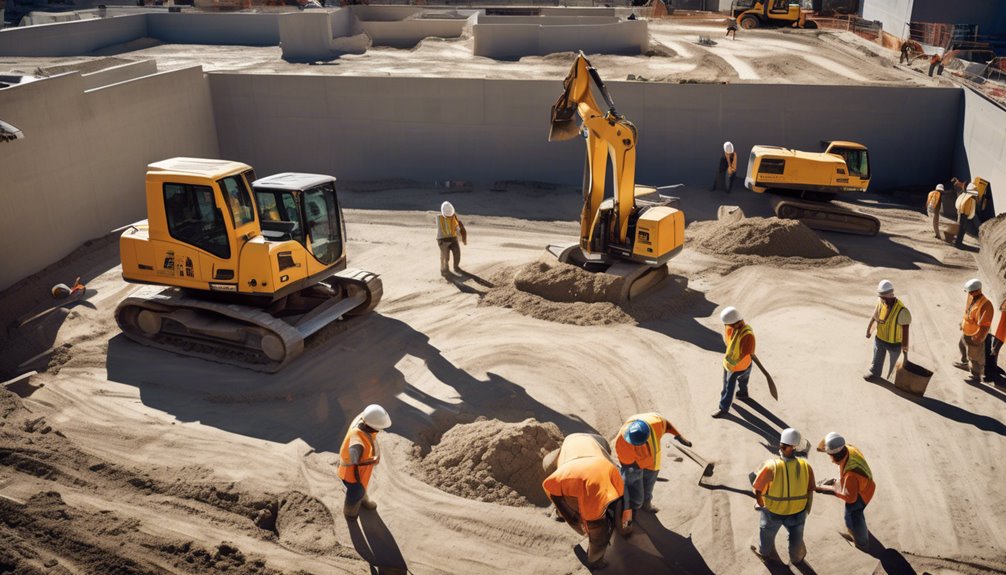
Navigating the complexities of permits and regulations sets the stage for successful collaboration among contractors.
When you work together, you enhance efficiency and ensure project success. Here are some key elements to foster effective teamwork:
- Open Communication: Keep lines of dialogue clear to address issues promptly.
- Defined Roles: Establish clear responsibilities to avoid overlap and confusion.
- Regular Meetings: Schedule check-ins to discuss progress and tackle challenges.
- Shared Goals: Align your objectives to ensure everyone's working towards the same outcome.
- Flexibility: Be ready to adapt to unexpected changes or challenges.
Best Practices for Hiring Contractors
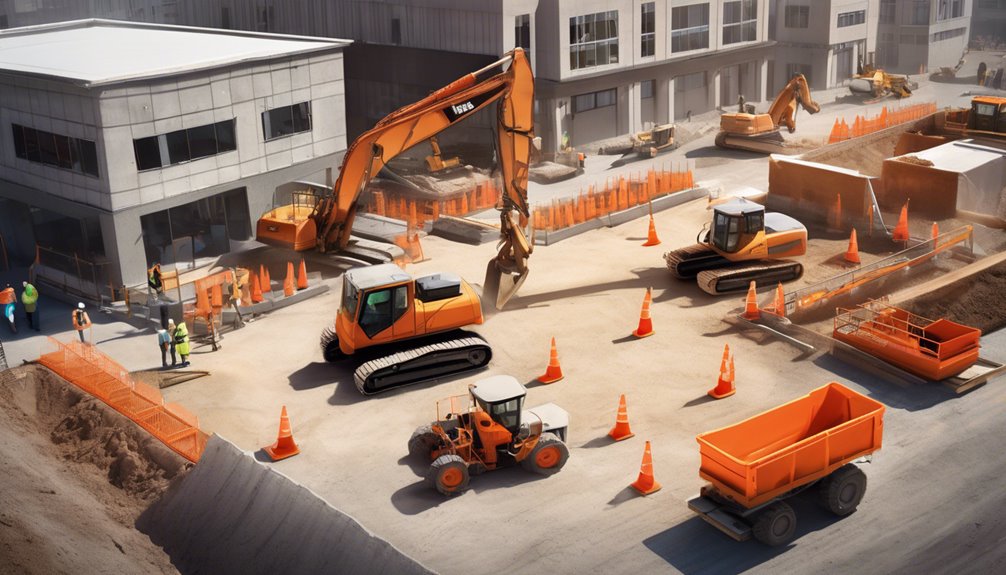
When you're hiring contractors, what factors should you consider to ensure a successful partnership? First, check their credentials and licenses to confirm they're qualified for the job.
Look for contractors with a solid reputation; read reviews and ask for references. It's also essential to discuss your project goals and timelines upfront to avoid misunderstandings later.
Always obtain detailed written estimates to compare costs effectively. Communication is key, so choose someone who listens and understands your vision.
Don't forget to clarify payment terms and schedules to keep things transparent. Finally, trust your instincts—if something feels off, it might be worth exploring other options.
The Future of Construction and Infrastructure

As you look to the future of construction and infrastructure, it's clear that innovation will play a significant role in shaping the industry.
Emerging technologies and sustainable practices are set to transform how you approach projects. You'll need to stay ahead by embracing these trends:
- Smart Materials: Use materials that adapt to environmental changes.
- Modular Construction: Streamline assembly processes for efficiency.
- Drones and Robotics: Enhance site surveying and reduce labor costs.
- Building Information Modeling (BIM): Improve collaboration and project management.
- Renewable Energy Integration: Incorporate solar, wind, and other green technologies.
Frequently Asked Questions
How Do I Determine if I Need a Right of Way Contractor?
To determine if you need a contractor, assess your project's scope. If it involves complex regulations, permits, or specialized work, consulting a professional can save you time and ensure compliance with local requirements.
What Are the Common Materials Used in Concrete Construction?
When you're working on a construction project, you'll often use materials like cement, aggregates, water, and additives. These elements combine to create durable concrete that meets your specific structural needs and project goals.
How Can I Assess a General Contractor's Reputation?
To assess a general contractor's reputation, check online reviews, ask for references, and evaluate their past projects. Talk to previous clients about their experiences, and ensure the contractor's communication aligns with your expectations.
What Maintenance Is Required for HVAC Systems?
To keep your HVAC system running efficiently, you should regularly replace filters, clean ducts, inspect refrigerant levels, and schedule annual professional maintenance. Neglecting these tasks can lead to higher energy bills and potential breakdowns.
How Long Does Excavation Typically Take for a Residential Project?
Excavation for a residential project usually takes one to two weeks, depending on factors like site size and soil conditions. You'll want to plan accordingly to ensure the rest of your project stays on schedule.
Conclusion
In conclusion, understanding the roles of Right of Way, Concrete, General, HVAC, and Excavation Contractors is essential for a successful construction project. By recognizing their unique contributions, you can ensure smooth collaboration and efficient execution. Whether you're planning a new build or renovating, hiring the right contractors is crucial. Embrace best practices in your selection process and stay informed about industry trends. This way, you'll set the stage for a successful and sustainable construction experience.