When you're working on road cut projects, understanding the Right of Way Road Cut Contractor Bond is essential. This bond not only showcases your reliability but also ensures compliance with local regulations. If you think it's just another paperwork hurdle, you might be overlooking its significant benefits. The process can seem daunting, but knowing what's at stake could change your perspective on how this bond impacts your projects and relationships with municipalities.
Understanding the Right of Way Road Cut Contractor Bond

When you're planning a road cut project, understanding the Right of Way Road Cut Contractor Bond is crucial.
This bond acts as a financial guarantee that you'll comply with local regulations and complete your work to the required standards. It protects municipalities and property owners from potential damages or disruptions caused by your project.
Before you begin, you'll need to secure this bond, which usually involves proving your reliability and financial stability.
Familiarize yourself with the specific requirements in your area, as these can vary significantly.
The Importance of the Bond for Contractors

The Right of Way Road Cut Bond is vital for contractors looking to establish credibility and trust in their projects. This bond demonstrates your commitment to adhering to local regulations and completing work responsibly.
Clients and municipalities often require it, helping you stand out from competitors who mightn't be bonded. When you hold a bond, it shows that you're financially secure and prepared to handle any potential issues that arise during the project.
If problems occur, the bond provides a safety net, ensuring that any damages or liabilities are covered. Overall, having a Right of Way Road Cut Bond not only protects you but also enhances your professional reputation, paving the way for future opportunities.
Regulatory Requirements for Obtaining the Bond

To obtain a Right of Way Road Cut Bond, you need to meet specific regulatory requirements.
This includes securing the necessary licensing and permits, understanding the bond amount criteria, and providing compliance documentation.
Making sure you have all these elements in place can streamline the bonding process.
Licensing and Permits
How can you navigate the maze of licensing and permits required for obtaining a Right of Way Road Cut Bond?
First, check with your local government or regulatory agency to understand the specific permits needed for your project. You'll likely need a construction permit, and possibly an excavation permit. Be prepared to submit detailed plans and adhere to safety regulations.
Next, ensure you have the appropriate contractor's license; this often varies by state.
Don't forget to gather any additional documents, such as proof of insurance.
Once you have all your paperwork in order, submit your applications well in advance. Staying organized and proactive will help you avoid delays and get your bond approved faster.
Bond Amount Criteria
Once you've navigated the licensing and permits, understanding the bond amount criteria is the next step in securing a Right of Way Road Cut Bond.
Typically, the bond amount is determined based on the scope of your project and the potential impact on public safety. Local regulations often specify minimum and maximum bond amounts, so it's essential to check with your municipality.
Generally, you might expect the bond to range from a few thousand to tens of thousands of dollars. Factors like the size of the road cut and the expected duration of the project can influence the final amount.
Make sure to gather all necessary information to ensure you meet these requirements and avoid delays in your project.
Compliance Documentation Required
While securing a Right of Way Road Cut Bond, you'll need to gather specific compliance documentation to meet regulatory requirements.
Start by collecting proof of insurance, which should cover liability and property damage.
Next, obtain any necessary permits from local authorities, showing you have permission to perform the work.
You'll also need to provide a detailed project plan, outlining the scope of your road cut activities.
Additionally, prepare a financial statement or proof of financial stability to assure the bonding agency of your capacity to fulfill the project.
Lastly, be ready to submit any environmental assessments, as these can affect your compliance.
Having all this documentation ready will streamline the bonding process and help you avoid delays.
How the Bond Protects Municipalities and the Public
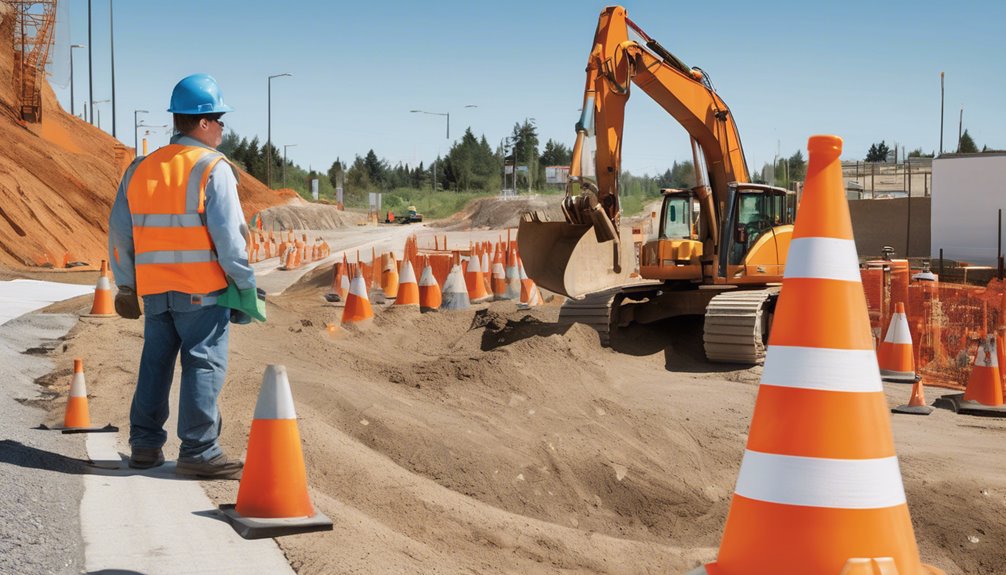
When a road cut occurs, the bond serves as a crucial safety net for municipalities and the public, ensuring that any necessary repairs or restoration are handled promptly.
It guarantees that contractors are financially accountable for their work, protecting the community from potential hazards. If a contractor fails to restore a road to its original condition, the bond provides funds to cover repair costs, preventing delays and safety issues.
This security encourages contractors to adhere to local regulations and maintain high standards, fostering trust between them and the communities they serve.
Ultimately, the bond helps maintain safe and functional roadways, safeguarding public interests while allowing necessary infrastructure work to proceed without worry.
The Process of Securing a Right of Way Road Cut Contractor Bond

To secure a Right of Way Road Cut Contractor Bond, you first need to understand the specific bond requirements set by your municipality.
Then, you'll navigate the application and approval process, which can vary depending on local regulations.
Getting familiar with these steps will help streamline your bonding experience.
Understanding Bond Requirements
Understanding the bond requirements for securing a Right of Way Road Cut Contractor Bond is crucial for ensuring compliance and protecting your interests.
First, you need to determine the specific regulations set by your local government or authority. These requirements can vary significantly based on the project's scope and location.
Next, you'll want to assess the bond amount, which usually reflects the estimated cost of potential damages or disruptions caused by your work.
Additionally, you should familiarize yourself with the types of bonds available—such as performance bonds or payment bonds—each serving a distinct purpose.
Finally, consider your financial standing, as it may influence your eligibility and the terms offered by bonding companies.
Application and Approval Process
Securing a Right of Way Road Cut Contractor Bond involves several key steps that ensure you're prepared for the approval process.
First, gather all necessary documentation, including your business license, project details, and insurance information.
Next, you'll need to choose a reputable bonding company; research their reputation and rates.
After selecting a provider, complete the application form accurately. Be prepared to undergo a credit check, as your financial history impacts approval.
Once submitted, the bonding company will review your application, possibly requesting additional information.
If approved, you'll pay the premium and receive your bond.
Common Challenges Contractors Face With the Bond

Although obtaining a right of way road cut bond is essential for contractors, navigating the associated challenges can be daunting. You might face hurdles that can slow down your projects and create stress.
Some common challenges include:
- Complex Regulations: Understanding the specific requirements in your area can feel overwhelming.
- High Costs: The fees and premiums for bonds can strain your budget.
- Time-Consuming Paperwork: Completing applications and gathering necessary documents can delay your start.
- Risk of Denial: If your application has issues, you could face rejection and lose valuable time.
Being aware of these challenges helps you prepare and strategize, ensuring you navigate the bonding process smoothly.
The Role of the Bond in Infrastructure Development

As you delve into infrastructure development, it's clear that right of way road cut bonds play a crucial role in ensuring projects run smoothly and efficiently.
These bonds provide a financial guarantee that you'll meet regulatory requirements, protecting both the public and local government interests. When you secure a bond, you demonstrate your commitment to adhering to safety standards and minimizing disruption during construction.
This not only boosts your credibility but also facilitates quicker project approvals. Additionally, having a bond can help you avoid costly delays and penalties, allowing you to focus on delivering quality work.
Ultimately, your bond supports a more stable and responsive infrastructure development process, paving the way for successful project completion.
Frequently Asked Questions
What Is the Cost of Obtaining a Right of Way Road Cut Contractor Bond?
The cost of obtaining a bond varies based on factors like your credit score, the bond amount, and state regulations. Typically, you'll pay a percentage of the total bond value as your premium.
How Long Is a Right of Way Road Cut Contractor Bond Valid?
A bond's validity often varies, but it typically lasts one to three years. You'll need to check specific terms with your provider to ensure you understand when it expires or requires renewal.
Can a Contractor Renew Their Right of Way Road Cut Contractor Bond?
Yes, you can renew your contractor bond when it's close to expiration. Just check with your bonding company for their specific renewal process and any required documentation to keep everything up to date.
Are There Penalties for Not Having the Bond?
Yes, there are penalties for not having the required bond. You could face fines, legal action, or even suspension of your contractor's license. It's crucial to maintain compliance to avoid these serious consequences.
How Does a Contractor File a Claim Against the Bond?
To file a claim against the bond, you'll need to gather relevant documentation, outline your reasons for the claim, and submit it to the bonding company. They'll review it and guide you through the process.
Conclusion
In summary, securing a Right of Way Road Cut Contractor Bond is essential for your success as a contractor. It not only boosts your credibility but also ensures compliance with local regulations, protecting both you and the community. By understanding the bond's importance and navigating the application process, you can overcome challenges and contribute positively to infrastructure development. Ultimately, having this bond in place helps you build trust and fosters smoother project approvals, keeping your business thriving.