If you're in the remanufacturing business in California, understanding the remanufacturer surety bond is essential. This bond isn't just a formality; it ensures you're compliant with state regulations and protects your customers. But what does it really mean for your operations and reputation? Exploring the importance and requirements might just reveal how this bond can impact your business in ways you hadn't considered.
Understanding the Remanufacturer Surety Bond

When you dive into the world of remanufacturing in California, understanding the remanufacturer surety bond is essential. This bond acts as a safety net, ensuring you comply with state regulations and protect your customers.
Essentially, it guarantees that you'll meet your contractual obligations and operate ethically. If you fail to deliver on your promises, the bond provides a financial remedy for affected parties.
You'll need to secure this bond before you can legally operate, so it's crucial to know the specific requirements and costs involved.
Importance of the Surety Bond for Remanufacturers

The surety bond for remanufacturers plays a vital role in establishing credibility within the industry. By securing this bond, you demonstrate your commitment to ethical practices and financial responsibility. This not only builds trust with customers but also protects their investments.
Here are some key reasons why the surety bond is important for you:
- Financial Assurance: It ensures you'll fulfill contractual obligations, providing peace of mind to clients.
- Market Competitiveness: Holding a bond can set you apart from competitors who don't have one, making you a preferred choice.
- Legal Compliance: Many states require a surety bond to operate legally, helping you avoid potential fines and penalties.
Investing in a surety bond is a smart move for your remanufacturing business.
Key Requirements for Obtaining a Surety Bond

When you're looking to obtain a surety bond, understanding the key requirements is crucial.
You'll need to know how the bond amount is determined, the steps in the application process, and the eligibility criteria you'll have to meet.
Let's break down each of these points to help you get started.
Bond Amount Determination
Determining the bond amount for a California remanufacturer's surety bond involves several key factors that you need to consider. The bond amount typically reflects the financial risk involved, and it's crucial to get it right to ensure compliance and protection.
Here are three key factors that influence the bond amount:
- Business Size: Larger businesses often require higher bond amounts due to greater potential liabilities.
- Credit Score: A strong credit score can lead to lower bond amounts, while poor credit may increase it.
- Regulatory Requirements: State laws may dictate minimum bond amounts, so be sure to check for any specific regulations.
Application Process Steps
Once you've established the bond amount for your California remanufacturer's surety bond, it's time to understand the application process.
Start by gathering necessary documentation, which typically includes your business license, financial statements, and proof of experience in the remanufacturing industry.
Next, you'll complete the bond application form provided by the surety company. Be prepared to answer questions about your business operations and financial history, as this helps the surety assess your risk.
Once you submit your application, the surety company will evaluate it, which may involve a credit check.
After approval, you'll receive the bond agreement for review. Finally, sign the agreement and pay the premium to secure your surety bond.
Eligibility Criteria Overview
To qualify for a California remanufacturer's surety bond, you must meet several key eligibility criteria.
These criteria ensure you're a responsible business owner and can fulfill your obligations. Here's what you need to know:
- Valid Business License: You must hold a current and valid business license in California.
- Financial Stability: You'll need to demonstrate financial stability, often through financial statements or credit history.
- Compliance with Regulations: You must comply with all state regulations pertaining to remanufacturing.
Meeting these requirements helps you secure the bond more easily, so make sure to gather the necessary documentation before applying.
The Application Process for a Remanufacturer Surety Bond

Applying for a remanufacturer surety bond involves a straightforward process that ensures you meet the necessary legal requirements.
First, you'll need to gather essential documentation, including your business information, financial statements, and details about your operations.
Next, research and choose a reputable surety bond provider who specializes in remanufacturer bonds.
Once you've selected a provider, you'll submit your application along with the required documents. The surety will assess your creditworthiness and business history before determining the bond premium.
After approval, you'll receive the bond, which you must file with the appropriate state agency.
Remember to review the bond terms carefully to ensure compliance with all conditions and requirements.
Consequences of Non-Compliance With Bond Requirements

If you fail to comply with bond requirements, you could face significant financial penalties that impact your business.
There's also a real risk of having your license suspended, which can halt your operations.
Additionally, legal action might be taken against you, leading to further complications.
Financial Penalties Imposed
Failing to comply with bond requirements can lead to significant financial penalties that impact your business operations.
These penalties can strain your finances and hinder your ability to operate effectively. Here's what you could face if you don't meet the bond obligations:
- Fines: You may incur hefty fines, which can accumulate over time, affecting your bottom line.
- Increased Premiums: Non-compliance might lead to higher surety bond premiums in the future, increasing your operational costs.
- Legal Fees: If disputes arise, you could face mounting legal fees, further draining your resources.
Staying compliant with your bond requirements is essential to avoid these financial repercussions and ensure your business remains in good standing.
License Suspension Risks
Neglecting your bond obligations can lead to severe consequences, including the risk of license suspension.
When you fail to comply with bond requirements, state authorities may view it as a violation of regulations. This can trigger an investigation into your business practices.
If they find you're non-compliant, you could face immediate repercussions, including the suspension of your remanufacturer license. Losing your license not only halts your operations but also impacts your reputation in the industry.
To avoid these risks, stay informed about your bond conditions and ensure you meet all obligations. Being proactive helps protect your business and maintain your standing with regulatory agencies.
Don't let negligence put your livelihood at stake.
Legal Action Possibilities
When you neglect your bond obligations, the consequences can extend beyond just license suspension. Failing to comply can expose you to various legal actions that could jeopardize your business.
Here's what you might face:
- Financial Losses: Creditors may pursue you for unpaid claims, leading to hefty financial burdens.
- Legal Fees: You could incur substantial legal expenses defending against lawsuits related to bond violations.
- Reputation Damage: Non-compliance can tarnish your business reputation, affecting customer trust and future opportunities.
It's crucial to understand these risks and take your bond requirements seriously.
Impact of Surety Bonds on the Remanufacturing Industry
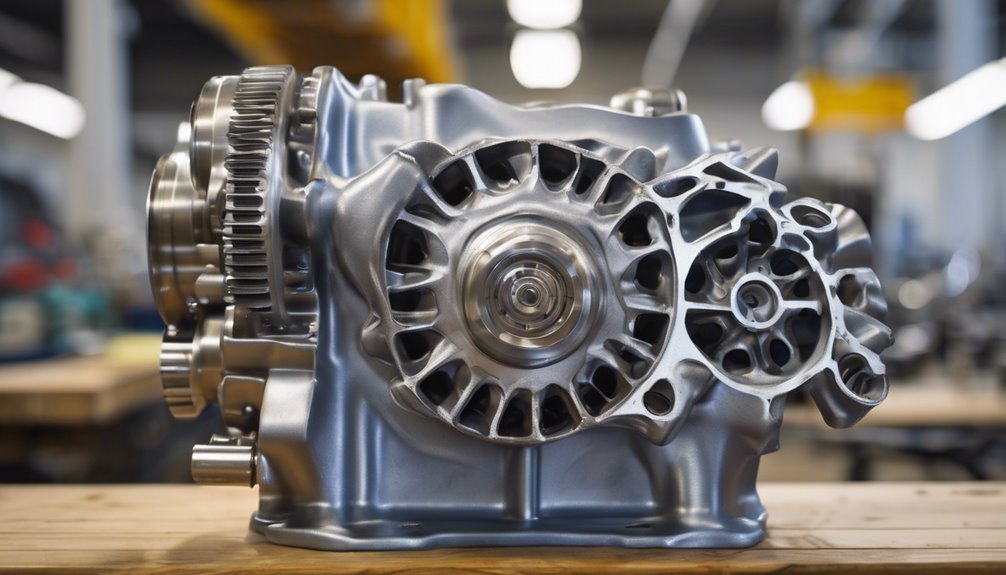
Surety bonds play a crucial role in the remanufacturing industry by providing financial security and trust between manufacturers, clients, and regulatory bodies.
When you invest in a surety bond, you're demonstrating your commitment to ethical practices and quality standards. This not only boosts your company's credibility but also reassures clients that you'll meet your contractual obligations. As a result, you're likely to attract more business and secure better contracts.
Additionally, surety bonds can help mitigate risks associated with non-compliance and potential legal issues, giving you peace of mind. By establishing this financial guarantee, you foster a healthier marketplace where innovation and sustainability can thrive, ultimately benefiting the entire remanufacturing sector.
Frequently Asked Questions
How Much Does a Remanufacturer Surety Bond Typically Cost?
A remanufacturer surety bond typically costs between 1% to 15% of the total bond amount. Factors like your credit score and business history can influence the final price you'll pay for the bond.
Can a Remanufacturer Bond Be Renewed Annually?
Yes, you can renew a remanufacturer bond annually. It's important to stay informed about the renewal process and ensure you're meeting all requirements to maintain your bond coverage without any interruptions or issues.
What Types of Businesses Require a Remanufacturer Surety Bond?
Certain businesses involved in remanufacturing products, like automotive parts, electronics, or machinery, typically require a remanufacturer surety bond. This bond ensures compliance with regulations, providing financial protection to clients and the public.
Are There Any Alternatives to Obtaining a Surety Bond?
Yes, you can explore alternatives like self-insurance or securing a letter of credit. However, these options might not provide the same level of protection as a surety bond, so weigh the risks carefully.
How Does a Bond Claim Process Work?
When you file a bond claim, you notify the surety company of the issue. They investigate, gather evidence, and determine if the claim's valid. If approved, they'll compensate the claimant up to the bond amount.
Conclusion
In conclusion, obtaining a State of California Remanufacturer Surety Bond is essential for your business's credibility and compliance. It not only protects your customers but also strengthens your position in the remanufacturing industry. By understanding the bond's importance and following the necessary steps to secure it, you can ensure ethical practices and promote trust with clients. Don't overlook this vital requirement—investing in a surety bond can lead to greater stability and success in your business.