Get an Instant Quote on Pavement Preservation Performance Bond Now!

In Pima County, Arizona, pavement preservation plays a crucial role in maintaining road quality and safety. Performance bonds serve as a financial safety net for these projects, ensuring contractors meet their obligations. This system not only safeguards the county’s investments but also promotes accountability. As you explore how these bonds function and their impact on community satisfaction, you’ll uncover the innovative strategies being employed to enhance the region’s infrastructure.
Overview of Pavement Preservation in Pima County

Pima County’s approach to pavement preservation focuses on maintaining and extending the life of its roadways, ensuring safe and efficient travel for residents and visitors alike.
You’ll find that the county employs various techniques, including surface treatments and regular inspections, to keep roads in optimal condition. By prioritizing preventative measures, Pima County aims to minimize costly repairs and disruptions.
You might notice that these efforts also enhance the overall driving experience, reducing wear and tear on vehicles. Engaging with the community, the county gathers feedback to better understand local needs.
Ultimately, when you drive through Pima County, you’re benefiting from a proactive strategy designed to create durable and reliable roadways for everyone.
What Is a Performance Bond?
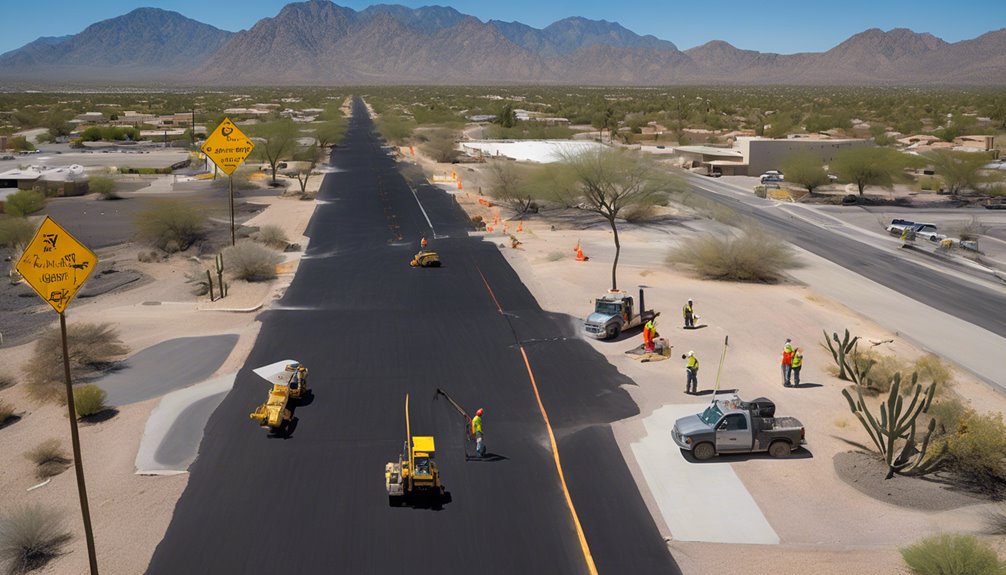
A performance bond serves as a financial guarantee that ensures contractors complete a project according to the agreed-upon terms and conditions.
This bond protects project owners by providing assurance that work will be done correctly and on schedule. If a contractor fails to meet their obligations, the bond can cover the costs of hiring another contractor to finish the job.
Here are some key aspects of performance bonds:
- Financial Assurance: They protect against financial loss due to contractor failures.
- Project Completion: They ensure that projects are completed as specified.
- Quality Standards: They hold contractors accountable for meeting quality requirements.
- Risk Mitigation: They reduce the risk for project owners by providing a safety net.
Benefits of Performance Bonds for Road Maintenance

Understanding the role of performance bonds in construction projects can shed light on their specific benefits for road maintenance.
First, these bonds ensure that contractors fulfill their obligations, giving you peace of mind that projects will be completed as promised. If a contractor fails to meet standards, the bond provides financial protection, allowing you to recover costs and ensure repairs are made.
Moreover, performance bonds encourage contractors to maintain high-quality work, knowing their reputation and financial standing are at stake. By requiring a bond, you can also attract more qualified contractors who value their credibility.
In short, performance bonds not only safeguard your investment but also promote accountability, leading to better-maintained roads for everyone.
How the Performance Bond Process Works
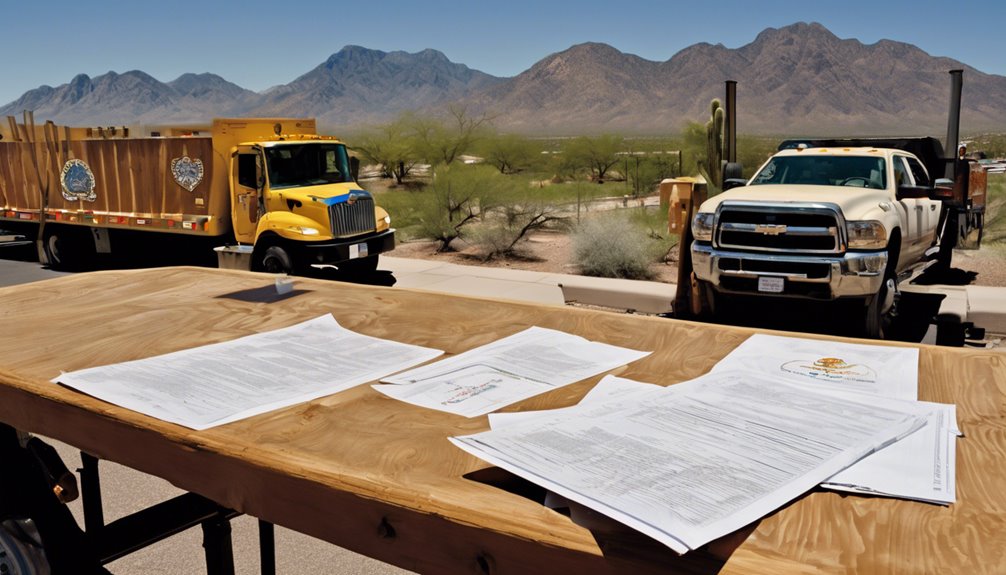
When contractors bid on a project, they typically must secure a performance bond to guarantee their commitment to the job. This process involves a few key steps that ensure financial security for all parties involved:
- Application: Contractors fill out an application detailing their qualifications and project specifics.
- Underwriting: The surety company assesses the contractor’s financial stability and past performance.
- Issuance: Once approved, the surety issues the bond, providing a guarantee to the project owner.
- Execution: The contractor begins the project, knowing that the bond protects the owner against incomplete or substandard work.
This bonding process not only safeguards the project owner but also upholds the contractor’s reputation in the industry.
Accountability and Quality Assurance in Contracting
When it comes to contracting, you need to prioritize accountability and quality assurance to ensure contractor reliability.
Monitoring project standards is essential for maintaining the integrity of the pavement preservation efforts.
Ensuring Contractor Reliability
Ensuring contractor reliability is crucial for the success of any pavement preservation project. You want to partner with contractors who not only meet your specifications but also demonstrate a commitment to quality and accountability.
Here are some key aspects to consider:
- Proven Track Record: Look for contractors with a history of successful projects in pavement preservation.
- Clear Communication: Establish open lines of communication to address issues promptly and effectively.
- Adequate Resources: Ensure contractors have the necessary equipment and personnel to execute the project efficiently.
- Strong References: Check references to assess past performance and reliability from previous clients.
Monitoring Project Standards
To maintain high standards in pavement preservation, it’s essential to implement effective monitoring of project accountability and quality assurance.
You should establish clear metrics and benchmarks for evaluating contractor performance, ensuring they meet specified requirements. Regular inspections and audits will help you identify any deviations from the project standards early on.
Don’t hesitate to communicate openly with contractors about expectations and progress; this fosters transparency and encourages collaboration.
Utilizing technology, like project management software, can streamline data collection and reporting, making it easier to track compliance.
Lastly, documenting all findings is crucial, as it provides a reference for future projects and helps uphold accountability.
Financial Implications for Taxpayers
When you consider the financial implications of pavement preservation, it’s crucial to weigh the costs against the benefits.
A thorough cost-benefit analysis can help you understand how these investments pay off in the long run.
Ultimately, maintaining roads isn’t just an expense; it’s a way to ensure better returns for taxpayers over time.
Cost-Benefit Analysis
How do the financial implications of pavement preservation affect taxpayers in Pima County? Understanding the cost-benefit analysis helps you see how your tax dollars are spent and the potential savings involved.
Investing in pavement preservation can lead to significant long-term benefits that ultimately ease the burden on taxpayers. Here are some key points to consider:
- Reduced Repair Costs: Preventative measures can lower future road repair expenses.
- Increased Road Lifespan: Well-maintained roads last longer, reducing the need for frequent replacements.
- Improved Safety: Smooth, well-preserved surfaces enhance driver safety, potentially lowering accident-related costs.
- Boosted Property Values: Better roads can lead to increased property values, benefiting local communities and tax revenues.
Keeping these factors in mind can help you appreciate the value of pavement preservation investments.
Long-Term Investment Returns
Understanding the financial implications of pavement preservation reveals its potential as a long-term investment for taxpayers in Pima County.
By prioritizing maintenance over costly repairs, you’re likely to see significant savings down the line. When roads are preserved, you reduce the need for frequent resurfacing and extensive repairs, which can drain public funds.
Investing in preservation not only extends the lifespan of the infrastructure but also enhances property values and boosts local businesses.
Moreover, well-maintained roads can lead to fewer accidents, lowering emergency service costs.
Ultimately, by committing to pavement preservation, you’re making a smart financial choice that benefits both current and future taxpayers, ensuring a more efficient allocation of resources in your community.
Case Studies of Successful Implementation

As Pima County continues to prioritize its infrastructure, several case studies highlight the successful implementation of pavement preservation strategies.
These initiatives not only extend the lifespan of roads but also enhance safety and reduce maintenance costs.
Here are a few impactful examples:
- Micro-surfacing projects in high-traffic areas showed a significant reduction in surface cracking, improving ride quality.
- Chip seal applications have effectively sealed minor cracks, preventing water infiltration and further damage.
- Thin overlay treatments on residential streets boosted community satisfaction by providing smoother surfaces and reducing noise.
- Regular condition assessments allowed for timely interventions, ensuring resources were allocated efficiently.
These case studies serve as a testament to the benefits of proactive pavement preservation in Pima County.
Community Impact and Public Perception
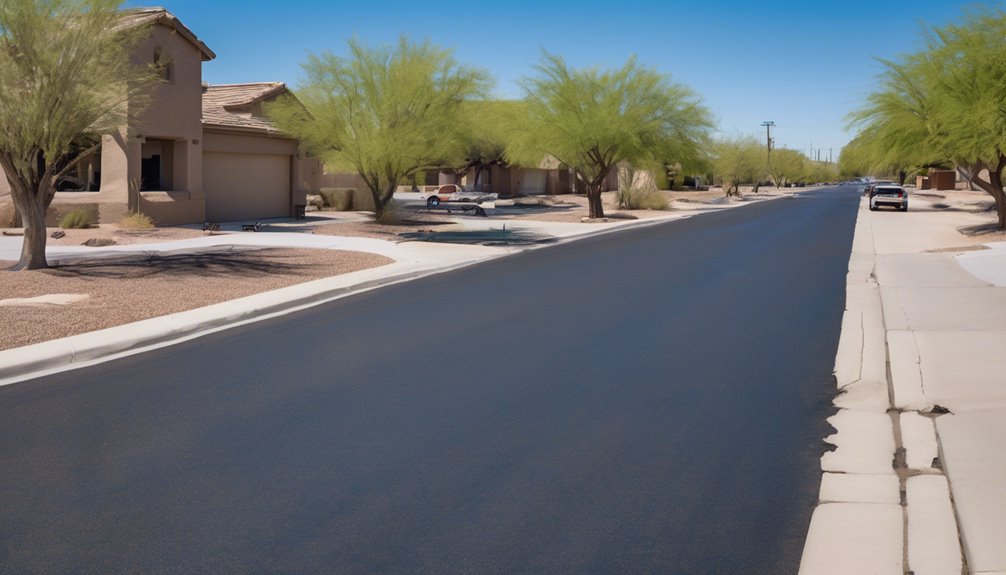
While many residents may not immediately notice the intricacies of pavement preservation, its impact on daily life is profound.
You might find that well-maintained roads improve your daily commute, reduce vehicle wear and tear, and enhance safety for pedestrians and cyclists. When potholes are repaired and surfaces are smooth, it creates a more pleasant driving experience for everyone.
Community pride often grows when local infrastructure looks and feels good, fostering a sense of belonging.
Additionally, you may appreciate the long-term cost savings that come from preventing bigger repairs down the line. As awareness of these benefits spreads, public perception of pavement preservation shifts positively, encouraging support for ongoing initiatives and funding.
Your involvement can make a difference in advocating for continued investments in this vital area.
Future Plans for Pavement Preservation in Pima County

As we look ahead, you’ll see Pima County adopting innovative preservation techniques to enhance our roadways.
Funding and budget strategies will play a crucial role in making these plans a reality, and your input through community engagement initiatives will help shape the future.
Together, we can ensure our pavement preservation efforts meet the needs of all residents.
Innovative Preservation Techniques
Innovative preservation techniques are set to revolutionize the way Pima County maintains its roads, ensuring they remain safe and durable for years to come.
By adopting cutting-edge methods, you’ll witness improvements that enhance both road quality and longevity. Here are some exciting techniques on the horizon:
- Micro-surfacing: A thin layer that seals and protects the existing pavement while improving skid resistance.
- Recycling asphalt: Using reclaimed materials to create new pavement, reducing waste and costs.
- Polymer-modified emulsions: Enhancing the flexibility and durability of seal coats, extending the life of your roads.
- Smart monitoring systems: Utilizing sensors to assess pavement conditions in real-time, allowing for timely interventions.
These advancements will make your travels smoother and safer, contributing to a more efficient transportation network.
Funding and Budget Strategies
To ensure the future success of pavement preservation in Pima County, strategic funding and budget planning are essential.
You’ll need to explore diverse funding sources, including federal grants, state allocations, and local taxes. By prioritizing these funds, you can allocate resources effectively to high-traffic areas that need immediate attention.
Collaborating with local businesses and organizations can lead to sponsorship opportunities that bolster your budget. Additionally, implementing a long-term financial plan will help you anticipate future costs and maintain a steady flow of resources.
Regularly reviewing and adjusting your budget in response to project outcomes will enhance efficiency and ensure you’re maximizing every dollar spent. This proactive approach will keep Pima County’s roads safe and sustainable for years to come.
Community Engagement Initiatives
Engaging the community is crucial for the future of pavement preservation in Pima County. By involving residents in the planning and maintenance processes, you’ll help ensure that their needs and concerns are addressed.
Here are some initiatives aimed at fostering this engagement:
- Public Workshops: Attend workshops to learn about upcoming projects and voice your opinions.
- Surveys and Feedback: Participate in surveys that gather your input on pavement conditions and priorities.
- Volunteer Programs: Join local efforts to clean and maintain roadways, promoting community pride.
- Information Campaigns: Stay informed through newsletters and social media updates about preservation efforts and progress.
These initiatives not only build community trust but also create a collaborative environment for successful pavement preservation.
Conclusion: Strengthening Infrastructure Through Innovation
As Pima County embraces new technologies and approaches, it’s clear that innovation plays a crucial role in strengthening our infrastructure.
You’ll see how these advancements, from smart materials to data-driven decision-making, enhance pavement preservation efforts. By adopting cutting-edge solutions, you can improve road durability and reduce long-term maintenance costs.
Additionally, fostering collaboration among local agencies and stakeholders ensures that resources are used effectively. This proactive mindset not only boosts safety and efficiency but also builds a sustainable future for your community.
As you support these innovations, you contribute to a resilient infrastructure that meets the demands of modern life.
Together, let’s pave the way for a stronger, more connected Pima County.
Frequently Asked Questions
How Can Residents Report Pavement Issues in Pima County?
To report pavement issues, you can contact your local municipality’s public works department or use their online reporting system. Providing specific details like location and issue type helps ensure a timely response and resolution.
What Types of Roads Are Prioritized for Preservation?
When prioritizing roads for preservation, you’ll find that heavily trafficked streets, those with significant wear and tear, and essential routes for emergency services often take precedence to ensure safety and accessibility for everyone.
Are There Specific Contractors Associated With the Performance Bond?
Yes, there’re specific contractors tied to the performance bond. You’ll find they’re typically pre-qualified based on their experience and reliability, ensuring the work meets the standards required for road preservation projects in your area.
How Frequently Are Pavement Conditions Assessed in Pima County?
You’ll find that pavement conditions are typically assessed every few years, allowing for timely maintenance and repairs. Regular evaluations help ensure the roads remain safe and functional for everyone using them.
What Is the Average Duration of a Pavement Preservation Project?
The average duration of a pavement preservation project typically ranges from a few days to several weeks, depending on the project’s size and complexity. You’ll likely see improvements in a relatively short timeframe.
Conclusion
In conclusion, Pima County’s commitment to pavement preservation through performance bonds showcases the importance of innovation and accountability in infrastructure projects. By ensuring contractors meet high standards, the county not only enhances road safety and community satisfaction but also extends the lifespan of its roadways. As you observe these initiatives in action, you’ll see how effective strategies and strong partnerships can lead to a brighter, more reliable future for all road users in the community.