Get an Instant Quote on Department of Revenue Alcoholic Beverages Liquor Sale Bond Now!

When it comes to the regulation of alcohol sales in Alaska, it’s essential to understand the role of the Department of Revenue. They manage licensing, enforce compliance, and strive for a balance between public safety and local economic support. However, the complexities of this regulatory framework reveal challenges that affect both communities and consumers. What are the implications of these regulations, and how do they shape the landscape of alcohol consumption in Alaska?
Overview of Alaska’s Alcohol Regulatory Framework
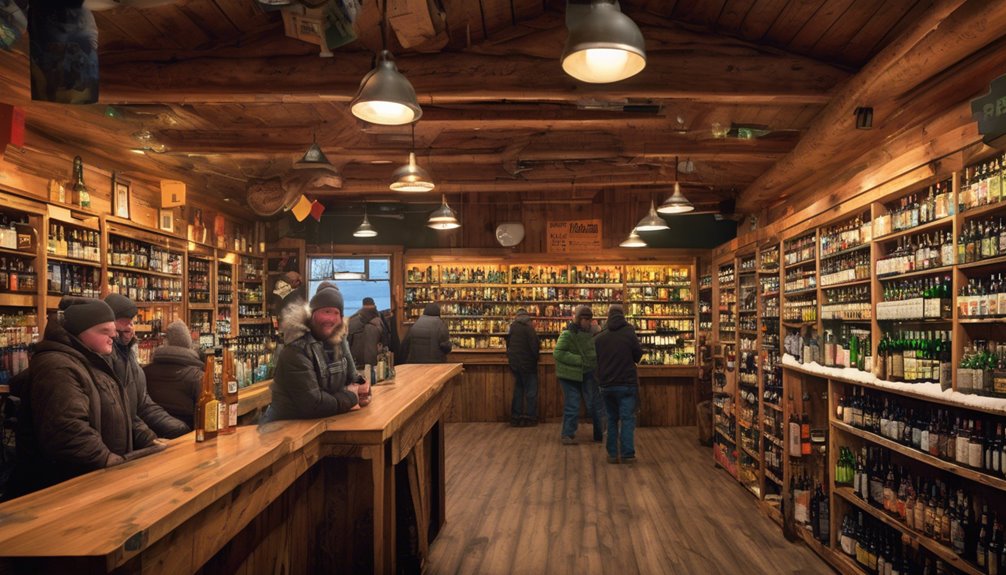
Alaska’s alcohol regulatory framework is designed to balance public safety with the need for responsible consumption. It establishes guidelines that govern the sale, distribution, and consumption of alcoholic beverages throughout the state.
You’ll find that this framework outlines age restrictions, determines where alcohol can be sold, and mandates the hours of sale to minimize risks associated with excessive drinking. Additionally, it promotes education on responsible drinking and the dangers of alcohol misuse.
Licensing Process for Alcohol Retailers
When opening a retail alcohol business, you must navigate a detailed licensing process that ensures compliance with state regulations.
First, you’ll need to determine the type of license required for your specific business model—be it a package store, bar, or restaurant.
Next, gather the necessary documentation, including proof of identity, location details, and any zoning approvals. You’ll submit your application to the Alcoholic Beverage Control Board along with the required fees.
Be prepared for a potential background check and public notice period, as these steps help maintain transparency and community awareness.
Once you receive approval, you can start your business, but remember, ongoing adherence to state laws is crucial for maintaining your license.
Compliance and Enforcement Measures
To ensure that alcohol retail businesses operate within legal boundaries, compliance and enforcement measures are essential. You’ll need to adhere to specific regulations to avoid penalties and maintain your license.
Here are some key measures you should focus on:
- Regular Inspections: Expect periodic checks by state officials to ensure compliance with laws.
- Employee Training: Train your staff on responsible alcohol service and age verification procedures.
- Record Keeping: Maintain accurate records of sales and inventory, as they may be reviewed during inspections.
- Reporting Violations: If you notice illegal activities, report them to authorities to help maintain a fair market.
Impact of Alcohol Sales on Local Economies
The compliance measures in place for alcohol retail businesses not only uphold legal standards but also play a significant role in shaping local economies.
When you consider the revenue generated from alcohol sales, it’s clear that these businesses contribute to job creation and tax income. Local shops and bars often support other local suppliers, fostering a sense of community and boosting overall economic activity.
You might notice that vibrant nightlife attracts tourists, which further stimulates spending in surrounding areas like restaurants and hotels.
Additionally, responsible alcohol sales can lead to safer neighborhoods, enhancing the quality of life.
Trends in Alcohol Consumption and Sales
As consumers become more health-conscious, trends in alcohol consumption and sales are shifting significantly.
You might notice some key changes in the market:
- Low-Alcohol Options: Many are opting for lower-alcohol beverages, seeking lighter alternatives.
- Craft and Local Brands: There’s a growing preference for craft beers and locally produced spirits, supporting local economies.
- Ready-to-Drink Cocktails: Convenience is king, with ready-to-drink cocktails gaining popularity for their ease of use.
- Non-Alcoholic Choices: Non-alcoholic beers and spirits are on the rise, catering to those who want to enjoy the social aspect without the alcohol.
These trends reflect a shift towards moderation and a more mindful approach to drinking, aligning with your health goals.
Public Health Considerations
When you consider the sale of alcoholic beverages in Alaska, it’s crucial to think about the health risks associated with alcohol consumption.
Understanding these risks can help you appreciate the need for effective prevention strategies and policies.
Health Risks of Alcohol
While many enjoy alcoholic beverages for socializing or relaxation, it’s crucial to recognize the significant health risks associated with alcohol consumption. Excessive drinking can lead to serious health issues that affect not just you, but those around you.
Here are four key risks to consider:
- Addiction: Alcohol can be highly addictive, leading to dependence and withdrawal symptoms.
- Liver Damage: Chronic consumption can cause liver diseases, including cirrhosis and fatty liver.
- Mental Health Issues: Alcohol use is linked to depression, anxiety, and other mental health disorders.
- Increased Accident Risk: Impaired judgment from drinking raises the likelihood of accidents and injuries.
Understanding these risks can help you make informed decisions about your drinking habits.
Prevention Strategies and Policies
To effectively mitigate the health risks associated with alcohol consumption, communities must implement targeted prevention strategies and policies.
Start by educating residents about the dangers of excessive drinking through workshops and outreach programs. Encourage responsible drinking by promoting lower-risk guidelines and providing resources for those seeking help.
Enforce stricter regulations on alcohol advertising, especially targeting youth. Support local initiatives that create alcohol-free events and spaces, fostering healthier social environments.
Collaborate with healthcare providers to offer screenings and interventions for at-risk individuals. Establish partnerships with schools to integrate alcohol education into curricula.
Challenges in Regulating Alcohol Sales

Regulating alcohol sales in Alaska presents numerous challenges that stem from the state’s unique geography and diverse population.
You’ll find that the vast distances between communities complicate enforcement and oversight. Additionally, varying local laws can create confusion for both consumers and businesses.
Here are some key challenges you might encounter:
- Remote Locations: Many areas have limited access to regulated alcohol outlets, making enforcement difficult.
- Cultural Diversity: Different communities have distinct attitudes towards alcohol, affecting regulation acceptance.
- Smuggling: The potential for illegal importation of alcohol increases with remote areas.
- Public Health Concerns: Addressing alcohol-related issues, like addiction, requires tailored approaches across diverse populations.
Navigating these challenges is crucial for effective alcohol regulation in Alaska.
Community Involvement and Education
Community involvement and education are crucial for addressing the impacts of alcohol sales in Alaska.
You can engage in local partnerships and participate in educational workshops that promote responsible drinking.
Through community awareness campaigns, everyone can work together to foster a healthier environment.
Local Partnerships Initiatives
While promoting responsible alcohol consumption is crucial, local partnerships in Alaska play a vital role in community involvement and education.
By working together, you can help foster a healthier drinking culture. Here are some initiatives you might consider:
- Collaborating with schools to raise awareness about alcohol-related issues.
- Engaging local businesses to promote responsible serving practices.
- Organizing community events that focus on safe socializing without alcohol.
- Partnering with health organizations to provide resources and support for those impacted by alcohol misuse.
These efforts not only strengthen community ties but also empower individuals to make informed choices.
When you involve local partners, you’re setting a foundation for a safer, more informed community.
Educational Workshops Programs
To effectively combat alcohol misuse in Alaska, implementing educational workshop programs can be a game-changer for community involvement and education.
These workshops provide you with essential knowledge about responsible drinking, the effects of alcohol, and ways to support those struggling with addiction. By engaging your community, you foster an environment where people feel empowered to discuss alcohol-related issues openly.
Workshops can include interactive activities, guest speakers, and real-life scenarios that resonate with participants. They’ll also help you connect with local resources and support networks.
Community Awareness Campaigns
Building on the momentum of educational workshops, community awareness campaigns play a vital role in addressing alcohol misuse in Alaska.
These campaigns empower you and your community to foster a healthier environment. Here are four key strategies to engage:
- Local Events: Participate in community gatherings to share information and resources on alcohol awareness.
- Social Media Outreach: Use platforms to disseminate educational content and engage with your audience effectively.
- Partnerships: Collaborate with local organizations to amplify your message and reach more people.
- Feedback Mechanisms: Encourage community input to tailor campaigns to specific needs and concerns.
Future Directions for Alcohol Regulation in Alaska
As Alaska continues to grapple with the challenges of alcohol regulation, stakeholders are exploring innovative approaches to strike a balance between public safety and responsible consumption.
You’ll see a push for more community engagement, where local voices shape policies that reflect unique needs. Enhanced education programs will also play a role, aiming to teach the risks of excessive drinking and promote moderation.
Additionally, technology could offer solutions, like apps that help you find safe transportation options after drinking. By leveraging data, officials can better understand trends and adjust regulations accordingly.
Ultimately, the goal is to create an environment where alcohol can be enjoyed responsibly, ensuring the health and safety of all Alaskans while also supporting local economies.
Frequently Asked Questions
What Are the Penalties for Selling Alcohol Without a License in Alaska?
Selling alcohol without a license can lead to hefty fines, potential jail time, and the loss of your business. It’s crucial to understand local laws to avoid these serious consequences. Don’t take the risk!
Can I Sell Homemade Alcoholic Beverages in Alaska?
You can’t sell homemade alcoholic beverages without a proper license. It’s essential to check local laws and regulations, as they vary widely. Always ensure you’re compliant to avoid hefty fines or legal trouble.
Are There Restrictions on Alcohol Advertising in Alaska?
Yes, there’re restrictions on alcohol advertising in Alaska. You can’t promote excessive consumption or target minors. Ensure your advertisements comply with local regulations, or you might face penalties. Always double-check the rules before launching your campaign.
What Is the Legal Drinking Age in Alaska?
The legal drinking age in Alaska is 21. If you’re planning to enjoy alcoholic beverages, make sure you carry valid identification. It’s important to adhere to this law for your safety and legal compliance.
How Can I Report Illegal Alcohol Sales in My Community?
If you suspect illegal alcohol sales in your community, contact local law enforcement or your state’s alcohol control board. Provide details like the location and nature of the sales to help them investigate effectively.
Conclusion
In conclusion, Alaska’s approach to regulating alcohol sales highlights the importance of balancing public safety with economic growth. By fostering responsible consumption and engaging the community in education, you’re contributing to a healthier society. As trends in alcohol consumption evolve, staying vigilant and adaptable in enforcement measures will be crucial. Together, we can navigate the challenges ahead and ensure that alcohol sales benefit both local economies and public health. Your involvement makes a difference in shaping the future of alcohol regulation in Alaska.