Get an Instant Quote on Warehouseman’s Bond Now!

In Alabama, understanding the Warehouseman’s Bond is crucial for anyone operating in the storage and logistics industry. This bond not only serves as a financial guarantee but also establishes trust between you and your clients. If you’re considering obtaining one, you’ll need to know the specific requirements and implications of not having it. What responsibilities do you take on as a warehouse operator? The answers could significantly impact your business operations.
Understanding the Warehouseman’s Bond

When you store goods in a warehouse, understanding the Warehouseman’s Bond is crucial for protecting your assets. This bond acts as a guarantee that the warehouse operator will take responsibility for your items while they’re in their care.
If the warehouse fails to fulfill its obligations, the bond provides a financial safety net, ensuring you’re compensated for any loss or damage. It’s essential to verify that the warehouse you’re using has an active bond in place, as this reflects their commitment to safeguarding your property.
Familiarizing yourself with the terms and conditions of the bond can help you navigate potential risks and make informed decisions about your storage options. Always prioritize warehouses that show transparency and accountability through their bonding practices.
Legal Framework Governing Warehouseman’s Bonds in Alabama

In Alabama, the legal framework governing Warehouseman’s Bonds is designed to protect both warehouse operators and the individuals storing goods.
This framework ensures that warehouse operators maintain a bond that guarantees the safe handling of stored items. The bond serves as a financial safety net, covering potential losses or damages that might occur while goods are in storage.
Alabama law mandates that these bonds meet specific requirements regarding amounts and terms, reflecting the value of the stored items.
You’ll find that these regulations aim to uphold accountability and trust in warehouse operations.
Purpose and Importance of the Warehouseman’s Bond
The Warehouseman’s Bond plays a crucial role in safeguarding the interests of both warehouse operators and their clients, as it ensures financial protection against potential losses or damages to stored goods.
This bond provides peace of mind, knowing that if an issue arises, you have a safety net in place. For warehouse operators, it enhances credibility and builds trust with clients, demonstrating a commitment to responsible practices.
Clients benefit from the bond as it assures them that their valuable items are protected, leading to stronger business relationships.
Requirements for Obtaining a Warehouseman’s Bond

To obtain a warehouseman’s bond in Alabama, you’ll need to meet specific requirements that include bond amounts, eligibility criteria, and a clear application process.
Understanding these steps is crucial for ensuring you fulfill the necessary obligations.
Let’s break down what you need to know to get started.
Bond Amount Requirements
When securing a warehouseman’s bond, you’ll need to meet specific bond amount requirements that vary based on the volume of goods stored.
Generally, the bond amount is determined by the total value of the goods you handle, often ranging from $10,000 to $100,000 or more. If you’re storing high-value items, be prepared to secure a larger bond.
Additionally, some factors, like your business’s reputation and financial stability, can influence the required amount. It’s essential to consult with your surety provider to ensure you meet these requirements accurately.
Application Process Steps
Securing a warehouseman’s bond involves several key application process steps that you’ll need to follow closely.
First, gather all necessary documents, including your business license and financial statements.
Next, complete the bond application form accurately, ensuring all details are correct to avoid delays.
Once you’ve submitted the application, you’ll typically need to pay a premium based on the bond amount.
After that, the bonding company will conduct a background check, assessing your creditworthiness and business history.
If everything checks out, you’ll receive your bond, which you must file with the appropriate state agency.
Finally, keep your bond active by renewing it as required to maintain compliance and protect your business interests.
Eligibility Criteria Overview
After submitting your bond application, it’s important to understand the eligibility criteria required for obtaining a warehouseman’s bond.
First, you must be legally registered to operate as a warehouseman in Alabama. This means holding the necessary business licenses and permits.
You’ll also need to demonstrate financial stability, which often involves providing proof of assets or a good credit score.
Additionally, you should have a clean legal record, as any past claims or violations can hinder your application.
It’s also essential to show that you comply with state regulations regarding storage and handling of goods.
Meeting these criteria will help ensure your bond approval and allow you to operate smoothly in the warehouse industry.
Types of Warehouseman’s Bonds Available

Warehouseman’s bonds come in several forms, each tailored to meet specific needs and circumstances.
You can choose between a standard warehouseman’s bond, which ensures the safe storage of goods, and a public warehouse bond, required for those operating facilities accessible to the public.
If you’re dealing with specialized items, a specialized bond may be necessary to cover specific risks associated with those goods.
Additionally, you might consider a blanket bond that covers multiple locations or a single bond for individual warehouses.
Each type serves a unique purpose, so it’s essential to assess your operational needs and risks.
The Process of Filing a Warehouseman’s Bond
Filing a warehouseman’s bond involves several key steps that ensure you’re compliant with regulatory requirements and adequately protected.
First, you’ll need to gather necessary documentation, including proof of your business operations and financial statements.
Next, you should compare different surety bond providers to find one that fits your needs and budget.
Once you’ve selected a provider, fill out their application form, providing accurate and complete information.
After that, the surety company will review your application and may require additional documentation or interviews.
Once approved, you’ll sign the bond agreement and pay the premium.
Finally, submit the bond to the appropriate state authority to finalize the process and ensure compliance.
Responsibilities of Warehouse Operators Under the Bond
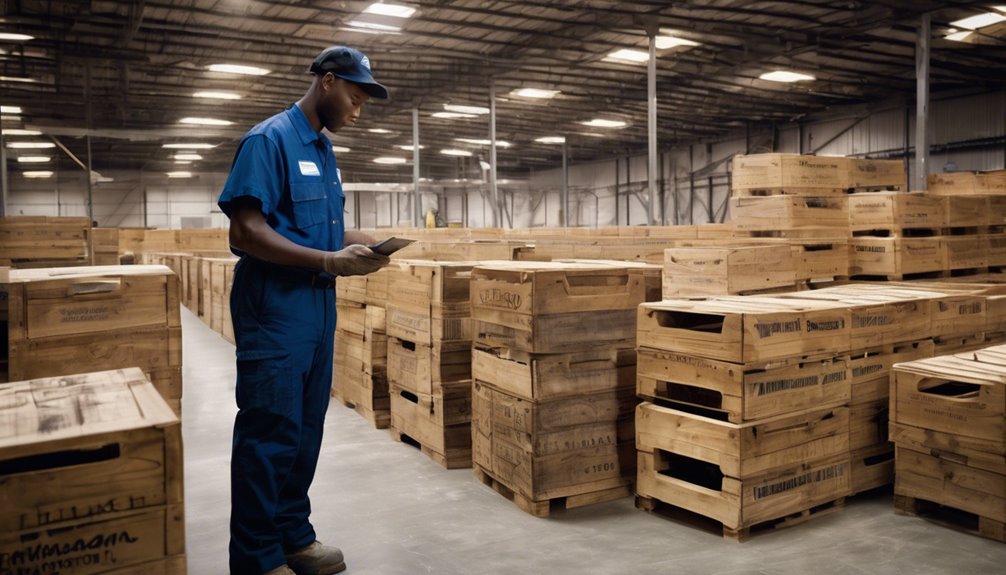
While managing your warehouse operations, it’s crucial to understand the responsibilities that come with the bond. As a warehouse operator, you’re required to safeguard the goods stored within your facility. This means ensuring proper handling, storage, and security measures are in place.
You must maintain accurate records of inventory and transactions, providing transparency for both your clients and regulatory authorities. Timely reporting of any loss or damage is essential to uphold your obligations under the bond.
Additionally, you’re responsible for complying with local laws and regulations that pertain to warehousing operations. By fulfilling these responsibilities, you not only protect your business but also build trust with your customers, ensuring a smooth operation and maintaining your bond’s validity.
Implications of Not Having a Warehouseman’s Bond

Not having a warehouseman’s bond can lead to significant risks for your business, including financial loss and legal repercussions.
Without this bond, you expose yourself to potential liability if goods are damaged, lost, or stolen while in your care. Clients may lose trust in your ability to safely handle their products, which can harm your reputation and lead to decreased business opportunities.
Additionally, you may face legal penalties for failing to comply with state regulations. This lack of protection can also result in costly lawsuits, which can deplete your resources and disrupt operations.
How Warehouseman’s Bonds Protect Clients

When you secure a warehouseman’s bond, you provide your clients with an essential layer of protection that fosters trust and confidence in your services.
This bond acts as a safeguard, ensuring that their goods are handled responsibly and that you adhere to industry regulations. If any damages or losses occur due to negligence on your part, the bond can cover the financial losses, giving clients peace of mind.
It also demonstrates your commitment to professionalism and accountability, which can enhance your reputation in the marketplace.
With a warehouseman’s bond in place, clients can feel secure knowing their valuable inventory is protected, allowing you to build lasting relationships and attract more business in the competitive warehouse industry.
Resources for Warehouse Operators in Alabama

As a warehouse operator in Alabama, you need to understand the legal requirements that come with your role.
Knowing the bonding process steps can help you secure the necessary protections for your business.
Plus, you’ll want to explore the financial benefits that come from being properly bonded.
Legal Requirements Overview
Understanding the legal requirements for warehouse operations in Alabama is crucial for ensuring compliance and protecting your business.
You’ll need to familiarize yourself with state regulations governing warehouse operations, including licensing and safety standards. It’s essential to maintain accurate inventory records and follow proper handling procedures to avoid legal issues.
Additionally, you must comply with federal regulations related to labor and environmental safety, which can impact your operations. Ensuring your facility meets building codes and zoning laws is also necessary.
Don’t overlook the importance of insurance coverage to protect against potential liabilities. By staying informed and proactive about these legal requirements, you can help safeguard your warehouse business and foster a successful operation in Alabama.
Bonding Process Steps
To successfully navigate the bonding process for your warehouse in Alabama, you’ll need to follow a series of essential steps.
First, gather all necessary documentation, including proof of business registration and any required licenses.
Next, research bonding companies that specialize in warehouseman’s bonds and request quotes. Compare terms and premiums to find the best fit for your needs.
Once you’ve chosen a bonding company, complete the application, providing accurate information about your warehouse operations.
After submitting your application, you may undergo a background check.
Upon approval, review the bond terms before signing.
Finally, pay the premium to activate your bond.
Completing these steps efficiently will help ensure your warehouse is properly bonded and compliant with state regulations.
Financial Protection Benefits
Financial security is crucial for warehouse operators in Alabama, providing peace of mind in an industry that demands accountability.
By securing a warehouseman’s bond, you protect yourself against potential losses due to theft, damage, or negligence. This bond serves as a safety net, ensuring that if a claim arises, you’ve got financial backing to cover it.
It also enhances your credibility with clients, showing that you’re committed to responsible operations. Moreover, having this bond can often lead to better insurance rates, as it reflects your dedication to risk management.
In this competitive market, these financial protection benefits can make a significant difference in your business’s success and stability.
Frequently Asked Questions
How Long Does It Take to Obtain a Warehouseman’s Bond in Alabama?
Obtaining a warehouseman’s bond typically takes a few days to a couple of weeks. You’ll need to gather necessary documentation, complete the application, and submit it to the bonding company for approval.
What Are the Costs Associated With Securing a Warehouseman’s Bond?
Securing a warehouseman’s bond typically involves premium costs, which can range based on your credit score and the bond amount. You’ll also need to consider any additional fees charged by the bonding company.
Can a Warehouseman’s Bond Be Revoked or Canceled?
Yes, a warehouseman’s bond can be revoked or canceled under certain conditions. If you fail to meet obligations or violate terms, the bond provider may take action, leading to potential financial repercussions for your operations.
Are There Penalties for Operating Without a Warehouseman’s Bond?
Yes, there are penalties for operating without a warehouseman’s bond. You could face fines, legal repercussions, or even lose your business license. It’s crucial to maintain proper bonding to avoid these serious consequences.
Who Qualifies as a Warehouse Operator in Alabama?
If you’re managing a facility that stores goods for others, you qualify as a warehouse operator. This includes businesses that handle inventory, manage storage space, and provide services related to warehousing and distribution.
Conclusion
In conclusion, having a Warehouseman’s Bond in Alabama is essential for your operation as a warehouse operator. It not only protects your clients’ goods but also enhances your credibility in the industry. By understanding the legal requirements and responsibilities tied to the bond, you can ensure compliance and build trust with your clients. Don’t underestimate the importance of this financial guarantee—it’s a key step in safeguarding your business and fostering strong relationships with those you serve.