Get an Instant Quote on Paving/Excavating Bond Now!

If you’re involved in construction in Homewood, Alabama, you should know about the Paving/Excavating Bond. This bond is crucial for ensuring compliance with local regulations and protecting the city from potential issues caused by contractors. Understanding its purpose and requirements can enhance your credibility in the industry. But what does it take to secure this bond, and how does it impact your responsibilities? Let’s explore these important aspects.
Overview of the Paving/Excavating Bond
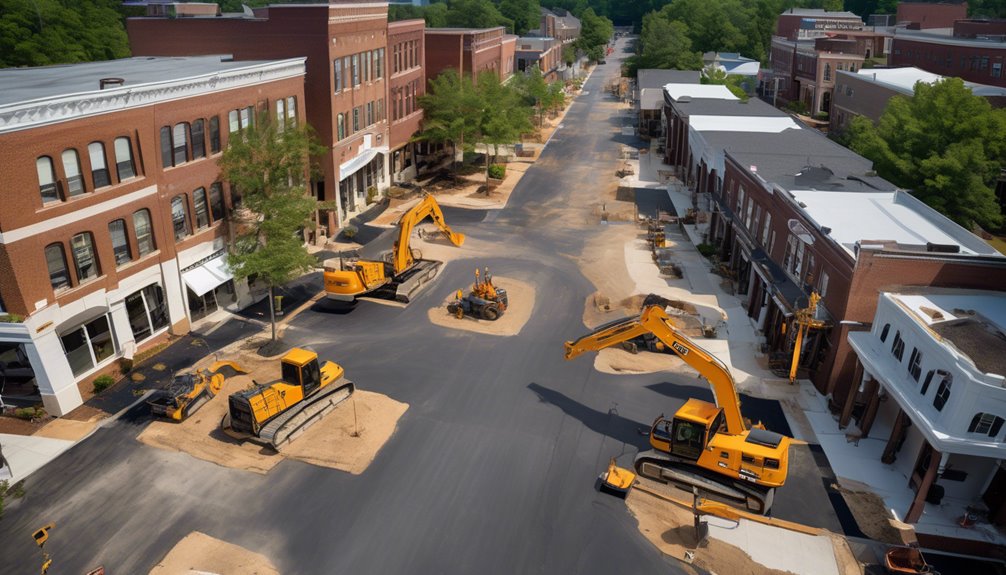
The paving/excavating bond in Homewood, Alabama, serves as a crucial safeguard for both the city and contractors involved in construction projects.
This bond ensures that you, as a contractor, adhere to local regulations and standards while executing your work. It acts as a financial guarantee that protects the city from potential damages or non-compliance during your project.
If you fail to meet your obligations, the bond covers any associated costs, ensuring that taxpayers aren’t left with the bill. By securing this bond, you demonstrate your commitment to quality and compliance, which can enhance your reputation in the industry.
Ultimately, it creates a trustworthy relationship between you and the city, fostering smoother project execution.
Purpose and Benefits of the Bond

The paving/excavating bond offers you financial security by ensuring that funds are available for project completion.
It also helps you stay compliant with local regulations, minimizing the risk of penalties.
Understanding these benefits can make a significant difference in how you approach your construction projects.
Financial Security Assurance
Ensuring financial security is vital for any paving or excavating project, and that’s where the bond comes into play. This bond acts as a safety net, protecting you and the city against potential financial losses.
If your project faces delays, defaults, or any unforeseen issues, the bond guarantees that funds are available to address these challenges. It ensures that you can complete the work without jeopardizing your resources.
Additionally, having this bond boosts your credibility with clients and stakeholders, showing them that you’re committed to delivering quality work.
In short, the bond not only secures financial peace of mind but also enhances your reputation in the industry, paving the way for future opportunities.
Regulatory Compliance Requirement
A paving or excavating bond not only provides financial security but also fulfills important regulatory compliance requirements. When you obtain this bond, you’re ensuring that your project adheres to local laws and regulations. This compliance is crucial for maintaining safety standards and protecting the environment.
By securing the bond, you demonstrate your commitment to responsible practices, which can enhance your reputation in the community.
Moreover, meeting these regulatory requirements helps you avoid potential fines and legal issues that could arise from non-compliance. It streamlines the approval process for your project, allowing you to start work sooner.
In short, a paving or excavating bond is essential for both compliance and the smooth execution of your construction plans.
Requirements for Contractors
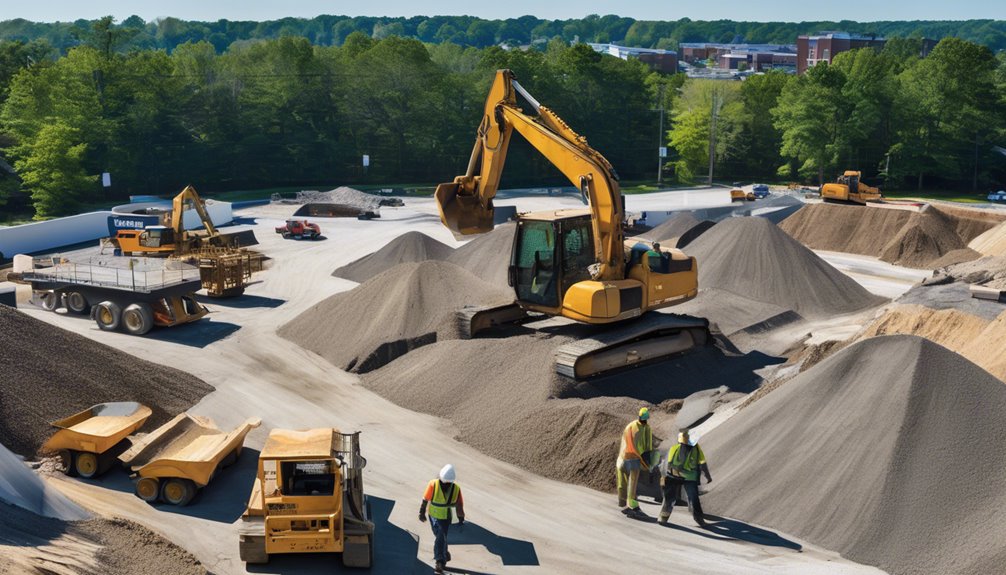
Before you start working in Homewood, Alabama, it’s crucial to understand the requirements for contractors involved in paving and excavating projects.
First, you must hold a valid contractor’s license specific to your trade. This ensures you meet local standards and regulations.
You’ll also need to carry liability insurance to protect yourself and your clients from potential damages.
Additionally, securing a performance bond is often essential for larger projects, as it guarantees your work will be completed according to specifications.
Familiarize yourself with local zoning laws and obtain any necessary permits before starting your work.
Lastly, ensure your employees are trained and certified in relevant safety practices to maintain a safe job site and comply with OSHA regulations.
Process for Obtaining the Bond
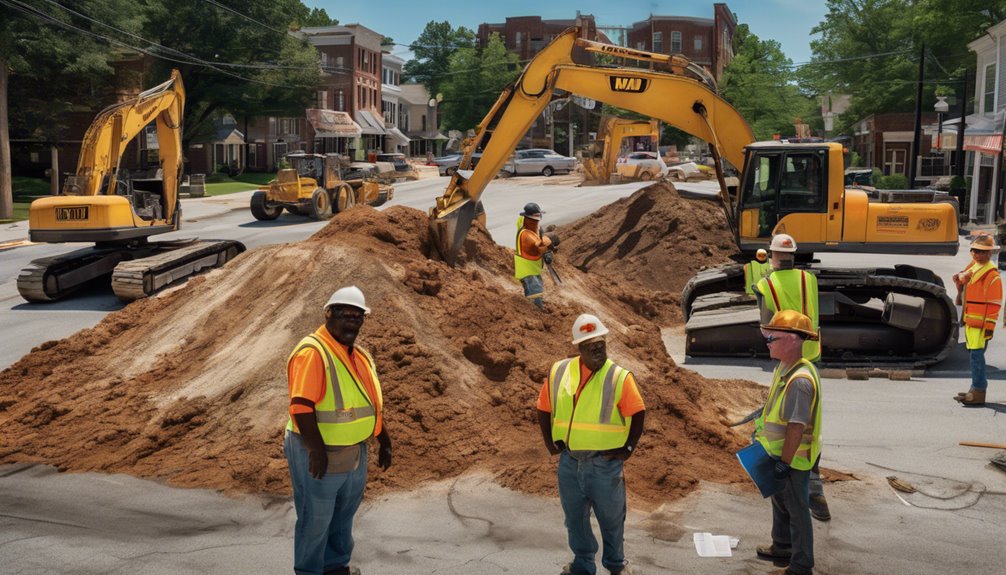
To obtain a paving/excavating bond in Homewood, Alabama, you’ll need to follow a straightforward process.
First, gather all necessary documentation, including proof of insurance and any required licenses.
Next, contact a surety company that specializes in construction bonds. They’ll evaluate your application and assess your financial standing. Make sure to provide detailed project information and any other relevant details they request.
Once approved, you’ll pay the premium to secure the bond. After payment, the surety company will issue the bond, which you’ll need to submit to the City of Homewood before starting your project.
Keep in mind that maintaining compliance with local regulations is crucial throughout the process.
Responsibilities of Contractors and the City
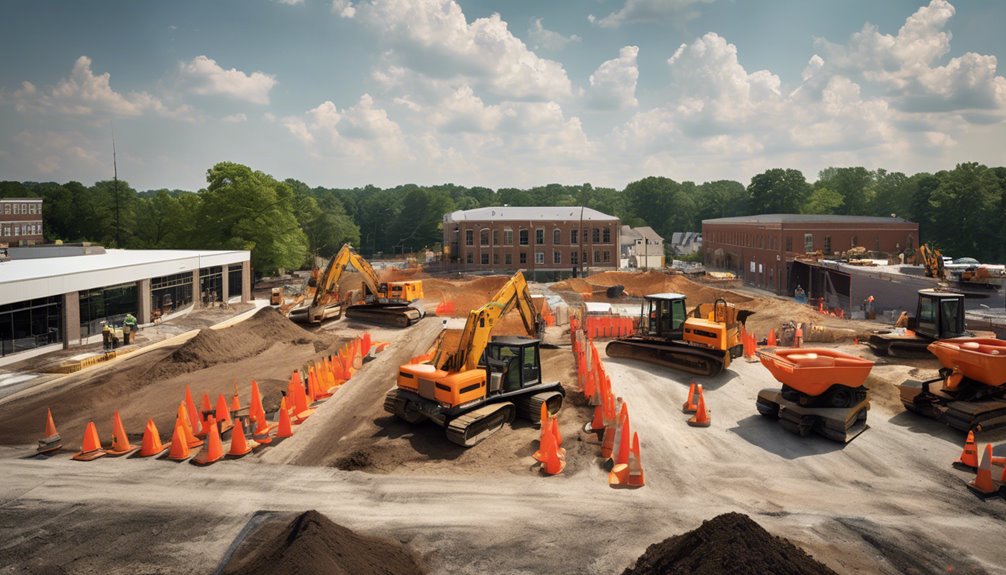
As a contractor, you’ve got specific obligations and standards to meet while working on paving and excavating projects.
The city will oversee your work to ensure compliance with regulations and safety measures.
Both parties play a crucial role in maintaining the quality and integrity of the project.
Contractor Obligations and Standards
While the City of Homewood sets forth specific guidelines, contractors must also uphold their responsibilities to ensure successful paving and excavating projects.
You need to obtain the necessary permits and adhere to safety regulations. It’s crucial to maintain clear communication with city officials and provide updates on project progress. You should also ensure all work meets the city’s quality standards and specifications.
Additionally, contractors must manage their workforce effectively, ensuring they’re trained and equipped for the tasks at hand. Timely completion of projects is essential, so be proactive in addressing any challenges that arise.
Finally, you’ll want to document all work thoroughly to ensure accountability and transparency throughout the project. This commitment fosters trust and collaboration with the city and the community.
City Oversight and Compliance
City oversight plays a crucial role in ensuring compliance throughout the paving and excavating process, as both contractors and city officials share responsibilities for project success.
You need to adhere to local regulations, maintain safety standards, and follow project specifications. This means submitting necessary permits and documentation on time.
City officials are responsible for monitoring progress, conducting inspections, and ensuring that contractors meet all obligations.
They must provide timely feedback and address any non-compliance issues directly.
Impact on Residents and the Community

Although paving and excavating projects often aim to enhance infrastructure, they can significantly impact residents and the broader community. You might experience temporary disruptions, like road closures or detours, which can affect your daily commute and access to local businesses.
Noise and dust from construction activities can also disrupt your peace at home, leading to frustrations. However, these inconveniences are usually short-term, and the long-term benefits may outweigh them.
Improved roads can enhance property values, boost local businesses, and increase safety for pedestrians and drivers alike. By staying informed about project timelines and updates, you can better navigate these changes and support the community’s growth, ultimately leading to a more vibrant and connected Homewood.
Future of Infrastructure in Homewood
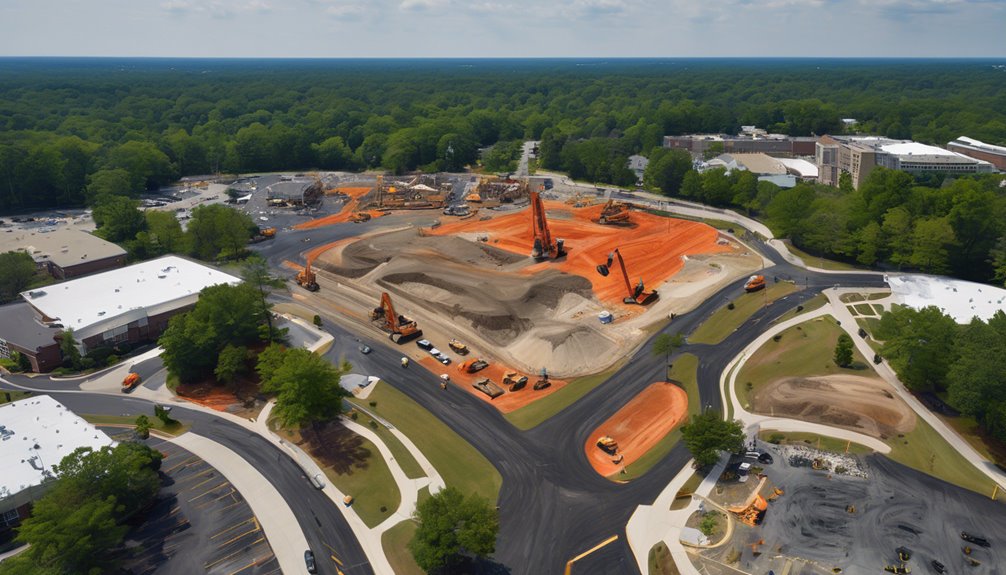
As Homewood continues to grow, the future of its infrastructure looks promising, with plans that prioritize sustainability and improved connectivity.
You’ll notice efforts to enhance public transportation, making it easier to travel throughout the city. Upgraded roads and sidewalks will promote safer walking and cycling, encouraging healthier lifestyles.
The city’s commitment to green spaces means you can expect more parks and natural areas, boosting community well-being. Smart technology will also play a role, helping to manage resources efficiently and reduce environmental impact.
With these initiatives, you’ll experience a more vibrant and accessible Homewood, where infrastructure supports both current needs and future growth. The focus is on creating a community that thrives for years to come.
Frequently Asked Questions
How Long Does the Bond Remain Valid After Issuance?
The validity of a bond typically depends on the specific terms outlined during issuance. Generally, it remains valid for a set period, often ranging from one to three years, unless otherwise specified in the agreement.
What Happens if a Contractor Fails to Meet Bond Requirements?
If a contractor fails to meet bond requirements, you may face financial loss. The bond might cover damages, but you’ll need to file a claim. It’s crucial to ensure your contractor adheres to all obligations.
Are There Penalties for Not Obtaining the Bond?
Yes, there are penalties for not obtaining the bond. You might face fines, legal issues, or even project delays. It’s crucial to secure the bond to avoid these complications and ensure smooth project execution.
Can Homeowners Apply for the Bond Directly?
Homeowners typically can’t apply for bonds directly. Instead, contractors or licensed professionals usually handle the bonding process. You should check with local regulations to confirm specific requirements for your area and project needs.
Is the Bond Transferable to Another Contractor?
No, the bond isn’t typically transferable to another contractor. If you want to switch contractors, you’ll likely need a new bond issued for the new contractor to ensure compliance with local regulations.
Conclusion
In conclusion, the Paving/Excavating Bond in Homewood, Alabama, plays a vital role in ensuring quality construction and community safety. By understanding its purpose and requirements, you can see how it benefits both contractors and residents alike. This bond not only protects the city’s infrastructure but also fosters economic growth and sustainable practices. As we look to the future, embracing these regulations will help Homewood thrive and enhance the quality of life for everyone in the community.