Get an Instant Quote on Clearing, Earthwork, and Other Land Disturbing Activity Bond Now!

If you’re involved in land disturbance projects in Homewood, it’s essential to understand the Clearing, Earthwork, and Other Land Disturbing Activity Bond. This bond not only safeguards the environment but also ensures you meet local regulations. As you navigate the application process, consider the compliance requirements that come into play. What are the specific benefits you can gain by adhering to these guidelines? Let’s explore the implications for your project.
Overview of the Homewood Bond
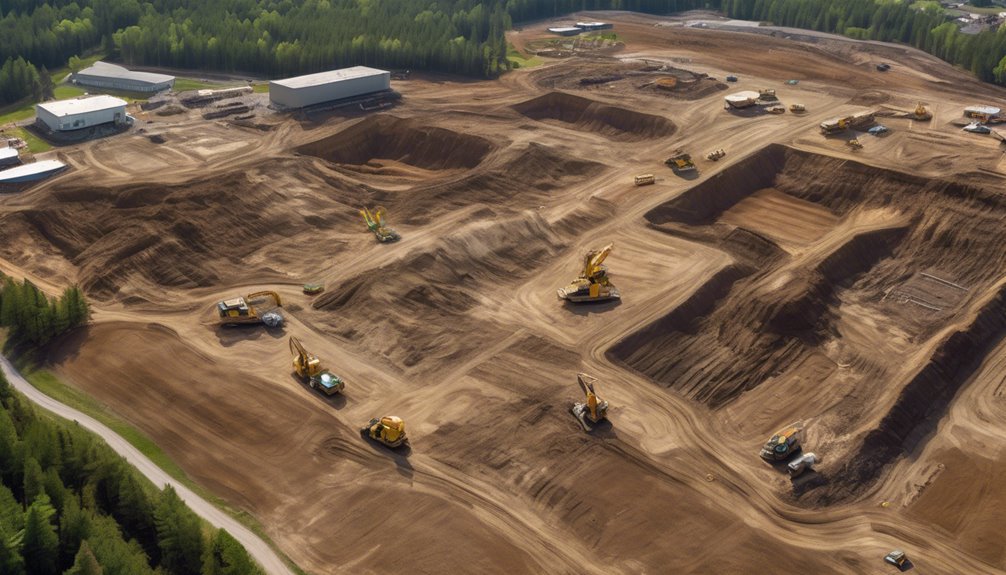
The Homewood Bond serves as a crucial financial safeguard for managing land-disturbing activities in the area. By requiring this bond, local authorities ensure that developers and contractors take responsibility for environmental impacts during their projects.
You’ll find that the bond covers potential damages, ensuring that the land is restored to its original condition after work is completed. As a stakeholder, you’ll appreciate knowing that this financial assurance helps to mitigate risks associated with land disturbance, protecting both the community and the environment.
When you engage in land-disturbing activities, understanding the bond’s requirements is essential. It’s not just a formality; it’s a vital part of responsible project management that supports sustainable development in Homewood.
Purpose and Benefits of the Bond
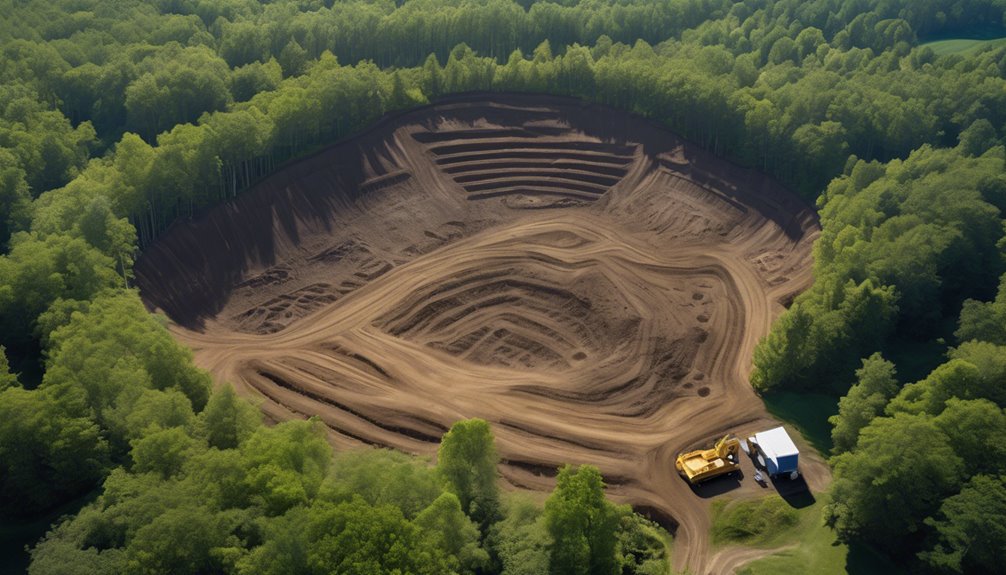
While undertaking land-disturbing activities, understanding the purpose and benefits of the Homewood Bond is essential for ensuring project success.
This bond acts as a financial safeguard, ensuring that you meet local environmental regulations and standards. If issues arise during your project, the bond provides funds to address any necessary remediation, protecting both your investment and the surrounding environment.
Additionally, having this bond can enhance your credibility with local authorities and stakeholders, showing your commitment to responsible land use. It can also expedite project approvals, as it demonstrates your readiness to comply with regulations.
Ultimately, the Homewood Bond not only helps you manage risks but also contributes to sustainable development in your community.
Eligibility and Application Process
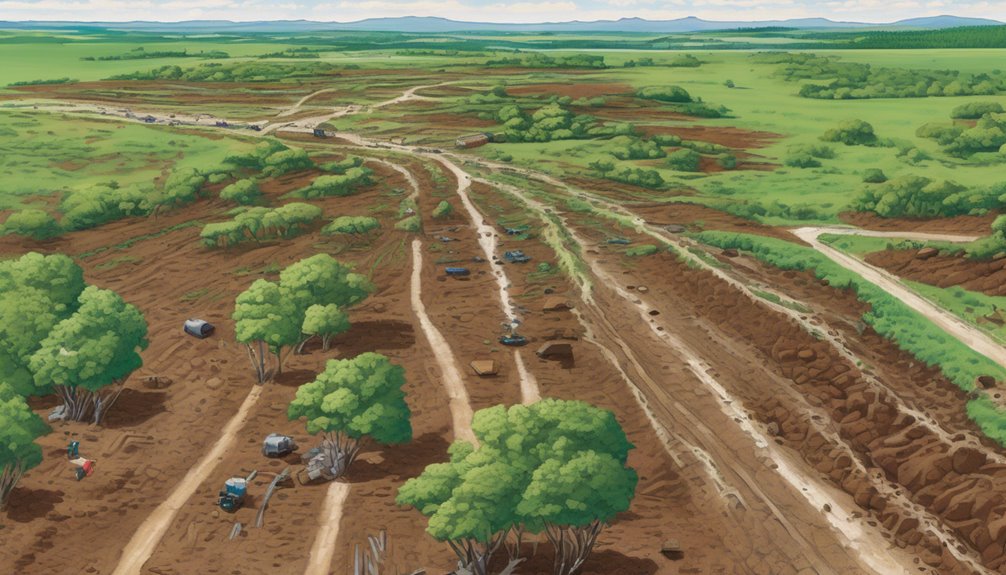
Navigating the eligibility and application process for the Homewood Bond can seem daunting, but it’s straightforward with the right information. To qualify, you’ll need to demonstrate that your project involves land disturbance activities, such as clearing or grading, that meet specific criteria.
Start by gathering necessary documentation, including project plans and environmental assessments.
Once you’ve prepared your materials, submit your application to the designated local authority. Be sure to include all required documents to avoid delays.
After submission, the authority will review your application to ensure it meets eligibility standards. If approved, you’ll receive instructions on securing the bond.
Compliance Requirements for Developers
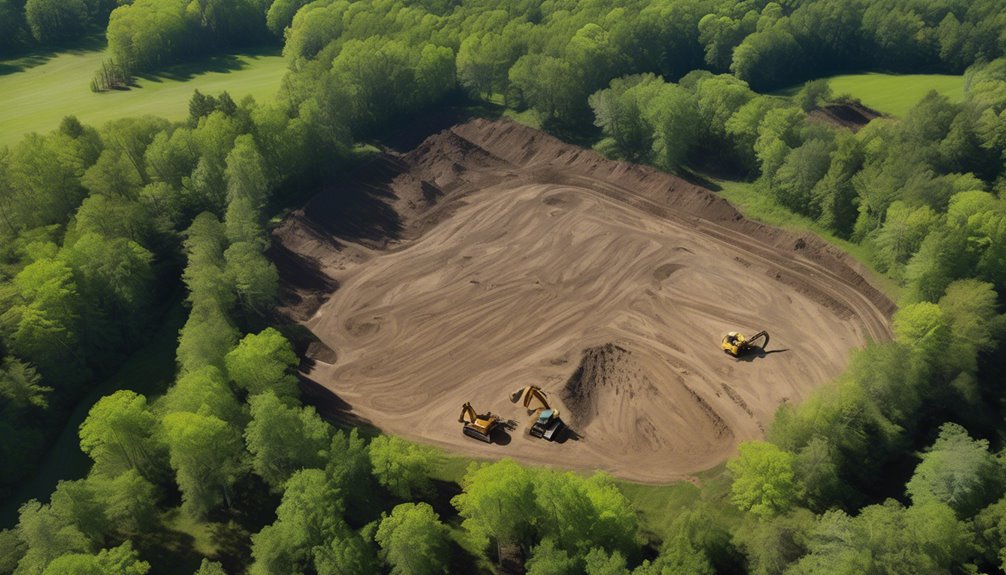
After securing the Homewood Bond, developers must adhere to specific compliance requirements to ensure their projects align with local regulations.
You’ll need to submit detailed plans outlining your intended land disturbance activities, including timelines and methods. Regular inspections will be conducted, so make sure your work site is in accordance with the approved plans.
If any changes arise during the project, you must notify the appropriate authorities promptly. Additionally, keep accurate records of all activities, materials used, and any incidents that occur.
Failure to comply with these requirements can lead to penalties or even the suspension of your project. Staying informed about any updates to regulations will also help you maintain compliance throughout the development process.
Environmental Impact and Restoration Efforts
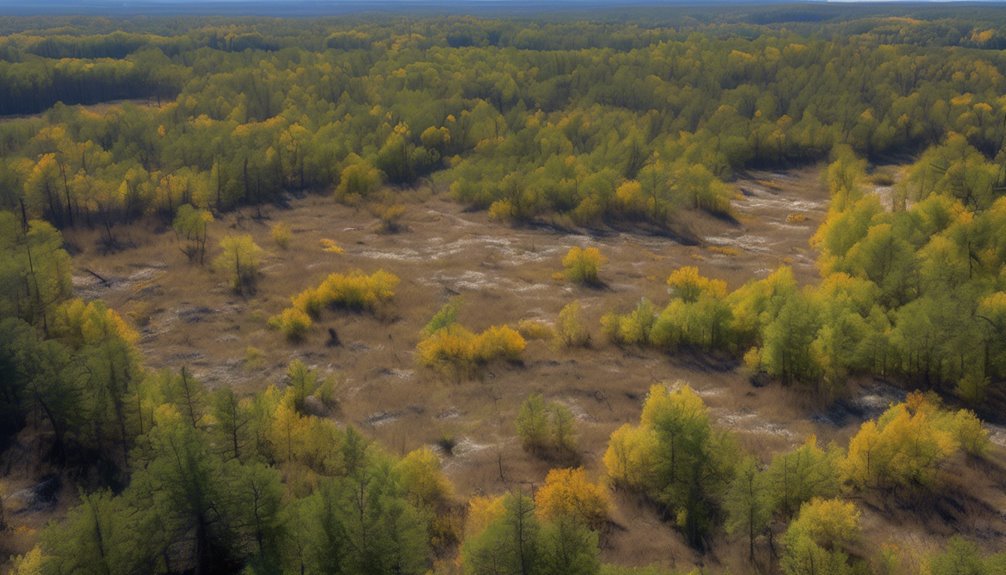
Understanding the environmental impact of land disturbing activities is crucial for developers aiming to minimize their ecological footprint. These activities can lead to soil erosion, habitat destruction, and water pollution if not managed properly.
To combat these effects, you should implement effective erosion control measures, like silt fences and sediment basins, during construction. It’s also vital to conduct thorough environmental assessments before starting any project.
Once the work’s done, restoration efforts are just as important. You can replant native vegetation to restore habitats and improve biodiversity.
Additionally, monitoring the site for invasive species helps maintain ecological balance. By prioritizing these practices, you not only comply with regulations but also contribute positively to the environment, ensuring a sustainable future for your projects.
Frequently Asked Questions
How Much Does the Homewood Bond Cost?
The cost of a bond can vary based on factors like project size, risk, and local regulations. You should reach out to your local authority or bonding company for specific pricing information tailored to your needs.
What Types of Projects Require This Bond?
Various projects require bonds, including construction, excavation, and land development. You’ll need one for activities that disturb the land, protect against potential damages, and ensure compliance with local regulations. Always check specific requirements in your area.
Can the Bond Be Transferred to Another Developer?
Yes, you can typically transfer the bond to another developer, but it’s essential to check the specific terms and conditions. Make sure to consult with the relevant authorities to ensure a smooth transfer process.
How Long Does the Bond Remain Valid?
The bond typically remains valid for a specified duration, often ranging from one to several years. You should check the specific terms outlined in the bond agreement to confirm its validity period and any renewal options.
What Happens if a Developer Violates the Bond Terms?
If you violate the bond terms, you face penalties, including financial repercussions or legal action. The authority may require you to correct the violations, which could delay your project and increase costs significantly.
Conclusion
In conclusion, the Homewood Clearing, Earthwork, and Other Land Disturbing Activity Bond is essential for ensuring responsible development. By understanding its purpose and benefits, you can navigate the eligibility and application process with confidence. Staying compliant not only helps protect the environment but also fosters community trust. Embracing these practices contributes to sustainable growth in Homewood, making your projects smoother and more successful while preserving the area’s natural beauty for future generations.