Get an Instant Quote on Contractor Bond (General/Builder/Air Conditioning/Heating) General Contractor – Compliance Only Now!

If you’re a contractor in the City of Prichard, understanding the ins and outs of contractor bonds is crucial. These bonds not only ensure compliance with local regulations but also protect your reputation and finances. From general to HVAC, each bond type has its own requirements. What steps do you need to take to secure one, and what happens if you don’t? The answers could significantly impact your business.
Overview of Contractor Bonds in Prichard
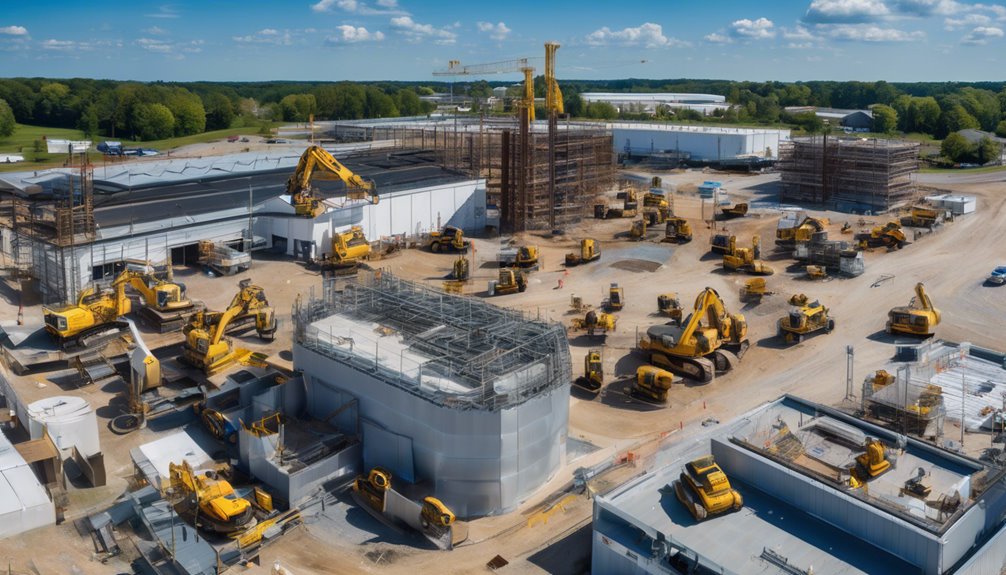
Contractor bonds in Prichard serve as a vital safeguard for both the city and its residents. These bonds ensure that contractors fulfill their obligations, maintaining project quality and compliance with local regulations.
When you hire a contractor, you want assurance that they’ll complete the work as promised. Bonds protect you from potential financial loss if a contractor fails to meet their commitments. They also promote accountability, encouraging contractors to adhere to standards and regulations.
Types of Contractor Bonds Required

When you’re working as a contractor in Prichard, knowing the types of bonds required is essential.
You’ll need to familiarize yourself with general contractor bonds, builder bonds, and HVAC contractor bonds. Each of these serves a specific purpose and helps ensure compliance with local regulations.
General Contractor Bonds
Understanding the types of general contractor bonds required for your projects is crucial for ensuring compliance and protecting your business.
These bonds serve as a safety net, assuring clients that you’ll fulfill your contractual obligations. Here are the main types you might encounter:
- Performance Bonds: Guarantees the project will be completed as agreed.
- Payment Bonds: Ensures subcontractors and suppliers are paid for their work.
- License Bonds: Required to obtain the necessary licenses to operate legally.
- Bid Bonds: Protects clients if you fail to honor your bid.
- Maintenance Bonds: Covers repairs or maintenance after project completion.
Builder Bonds Overview
Builder bonds are essential for ensuring that your construction projects run smoothly and meet legal requirements. These bonds protect both you and your clients, providing assurance that you’ll complete the work according to agreed standards.
There are several types of builder bonds you might need, including performance bonds, which guarantee project completion, and payment bonds, ensuring that subcontractors and suppliers get paid. Additionally, you may encounter bid bonds, which confirm your commitment to the project during the bidding process.
Each of these bonds serves a specific purpose, helping to build trust with clients and stakeholders. Understanding these requirements can save you from potential legal issues and financial losses down the line, making them a crucial aspect of your business strategy.
HVAC Contractor Bonds
In the world of construction, HVAC contractor bonds play a vital role in ensuring compliance and protecting all parties involved in heating, ventilation, and air conditioning projects.
These bonds serve as a guarantee that you’ll fulfill your contractual obligations. Here are the main types of HVAC contractor bonds you might encounter:
- License and Permit Bonds: Required by local authorities to ensure you meet regulations.
- Performance Bonds: Guarantee the completion of the project as per contract terms.
- Payment Bonds: Ensure subcontractors and suppliers get paid for their work.
- Maintenance Bonds: Cover repairs or maintenance after project completion.
- Bid Bonds: Protect the project owner if you fail to honor your bid.
Understanding these bonds helps you navigate compliance effectively.
Steps to Obtain a Contractor Bond

To obtain a contractor bond, you’ll need to gather specific documentation and complete an application.
Understanding the required paperwork is crucial for a smooth process.
Let’s break down the necessary steps to help you get that bond efficiently.
Required Documentation Checklist
Obtaining a contractor bond requires careful preparation and the right documentation.
You’ll need to gather specific items to ensure a smooth process.
Here’s a checklist to help you stay organized:
- Completed bond application: Fill out all required sections accurately.
- Proof of business registration: Show that your business is officially recognized.
- Financial statements: Provide recent documents to demonstrate your financial stability.
- Insurance certificates: Include proof of liability and workers’ compensation coverage.
- Personal identification: Have your driver’s license or passport ready for verification.
Application Process Overview
Gathering the necessary documentation sets the stage for the application process of obtaining a contractor bond. Start by compiling all required documents, including your business license, financial statements, and proof of insurance.
Next, research and select a reliable bonding company that suits your needs. Once you’ve chosen a provider, fill out their application form accurately—double-check for any errors, as they can delay approval.
After submission, be ready for an underwriting process where the bond company assesses your financial stability and credibility. If approved, you’ll receive the bond, typically requiring payment of a premium.
Finally, file the bond with the city of Prichard to complete the process and ensure compliance with local regulations.
Eligibility Requirements for Contractors
When considering eligibility requirements for contractors in the City of Prichard, it’s essential to understand that certain criteria must be met to ensure compliance and reliability.
You’ll need to demonstrate that you meet the following requirements:
- Hold a valid contractor’s license specific to your trade
- Provide proof of liability insurance coverage
- Submit a completed application with all necessary documentation
- Maintain a clean record with no major violations or complaints
- Show financial stability to support the project needs
Meeting these requirements helps establish your credibility and ensures you can perform quality work in the city.
Always check for any updates or changes in regulations to stay compliant.
Costs Associated With Contractor Bonds
Understanding the eligibility requirements for contractors in the City of Prichard sets the stage for addressing the costs associated with contractor bonds.
First, you’ll encounter the bond premium, which typically ranges from 1% to 15% of the bond amount, depending on your credit score and financial history.
Next, you should consider any application fees charged by bonding companies, which can vary. Additionally, if you need to obtain multiple bonds, expect that costs may accumulate.
It’s also wise to budget for potential renewals, as many bonds require annual renewal fees.
Maintaining Compliance With Bond Regulations
To maintain compliance with bond regulations, you need to stay informed about the specific requirements set by the City of Prichard.
Regularly review your bond’s terms and make sure you’re meeting all obligations. Here are some key actions to help you stay compliant:
- Understand the bond amount required for your type of contracting work.
- Keep your licenses and certifications up-to-date.
- Submit necessary documentation to the city as required.
- Renew your bond before it expires to avoid lapses.
- Stay aware of local laws and changes that may affect your bonding requirements.
Consequences of Non-Compliance
Failing to comply with bond regulations can lead to serious repercussions that affect your business and reputation. You might face hefty fines, which can strain your finances and disrupt operations.
Additionally, non-compliance can result in the suspension or revocation of your contractor license, limiting your ability to take on new projects. Clients may lose trust in your reliability, leading to lost contracts and a damaged reputation in the industry.
If disputes arise, you may find yourself liable for legal actions, further complicating your situation. Ultimately, ensuring compliance isn’t just about following the rules; it’s about protecting your business’s future and maintaining your standing in the competitive contracting market.
Prioritize compliance to avoid these potential pitfalls.
Frequently Asked Questions
How Long Does a Contractor Bond Last in Prichard?
A contractor bond typically lasts for one year, but it can vary based on specific agreements. You should check your bond’s terms to know when it’s due for renewal or any necessary compliance updates.
Can I Transfer My Bond to Another Contractor?
You can’t directly transfer your bond to another contractor. Instead, you’ll need to cancel your existing bond and the new contractor must obtain their own bond to ensure compliance and protection for their projects.
What Types of Projects Require a Contractor Bond in Prichard?
In Prichard, you’ll need a contractor bond for various projects, including residential construction, commercial renovations, and specific installations like air conditioning or heating systems. These bonds ensure you comply with local regulations and protect clients.
Are There Alternatives to Obtaining a Contractor Bond?
Yes, there are alternatives to obtaining a contractor bond. You could explore options like obtaining insurance, using a letter of credit, or forming partnerships with reliable subcontractors to mitigate risks without the bond requirement.
How Can I Check if My Bond Is Active?
To check if your bond’s active, contact your bonding company directly or visit their website. They’ll provide the most accurate information. You can also verify status through state licensing boards or online databases.
Conclusion
In summary, securing a contractor bond in Prichard is crucial for your business’s success and compliance. It not only protects you and your clients but also elevates your standing in the community. By following the necessary steps and understanding the costs and requirements, you can navigate the bonding process smoothly. Remember, maintaining compliance with bond regulations is key to avoiding penalties and ensuring your projects meet the city’s standards. Get started today to safeguard your future!