Get an Instant Quote on Building Wrecker’s Bond (Blanket Bond) Now!

If you’re a demolition contractor in Birmingham, Alabama, understanding the Building Wrecker’s Bond is crucial. This bond not only safeguards your operations but also ensures you comply with local regulations. As a financial guarantee, it reflects your commitment to responsible practices. But what does securing this bond really entail, and how does it impact your business and the community? Let’s explore the key aspects that every contractor should know.
Overview of the Building Wrecker’s Bond
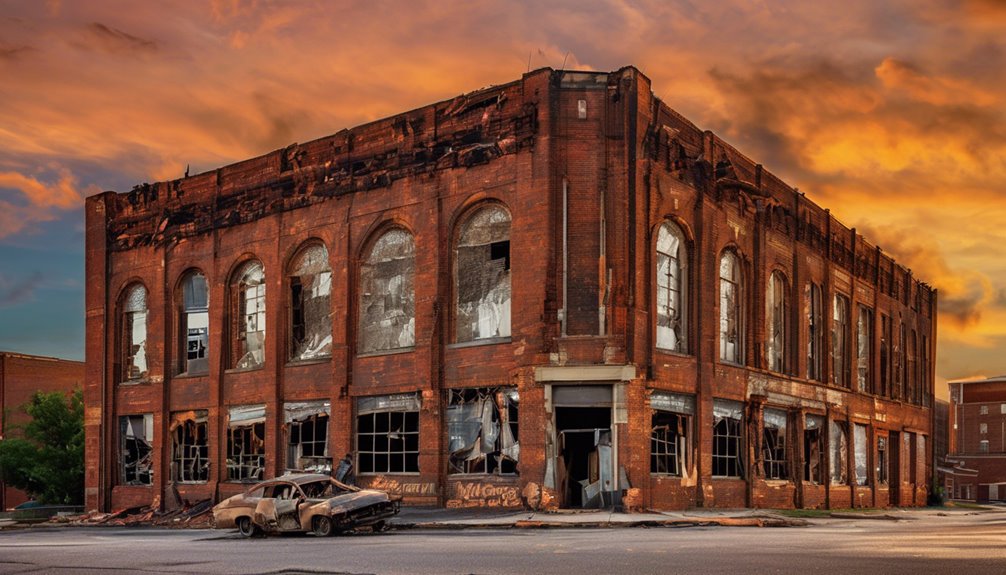
When you consider the Building Wrecker’s Bond, it’s essential to understand its purpose and importance in the construction industry.
This bond acts as a financial guarantee that a contractor will adhere to local regulations and safely demolish structures. Essentially, it protects property owners and the community from potential harm caused by unsafe demolition practices.
By securing this bond, you ensure that the contractor has the necessary skills and resources to complete the job properly. It also provides assurance that any damages or liabilities arising from the demolition will be covered.
In Birmingham, obtaining a Building Wrecker’s Bond is crucial for any contractor looking to operate legally and maintain their reputation within the industry.
Purpose and Importance of the Blanket Bond

Understanding the Building Wrecker’s Bond naturally leads to the concept of the Blanket Bond, which serves a broader purpose in the construction and demolition sectors.
This type of bond provides a safety net for multiple projects under one agreement, streamlining the bonding process for contractors like you. By securing a Blanket Bond, you protect yourself against potential financial loss due to subcontractor failures or project mishaps.
It also boosts your credibility, making it easier to win contracts and gain clients’ trust. Moreover, it helps ensure compliance with local regulations and standards, reducing legal risks.
Ultimately, a Blanket Bond not only safeguards your interests but also enhances your reputation in the competitive marketplace.
Eligibility Criteria for Contractors
To qualify as a contractor for demolition projects, you need to meet specific eligibility criteria.
This includes having the proper licenses and insurance, demonstrating experience in similar projects, and following local regulations.
Understanding these requirements will help ensure you’re prepared for the job.
License and Insurance Requirements
In Birmingham, contractors must meet specific license and insurance requirements to operate legally in the building wrecking industry.
These criteria ensure that you’re qualified and protected while working. Here’s what you need:
- Valid Contractor’s License: You must obtain a contractor’s license specific to demolition, demonstrating your expertise in the field.
- Liability Insurance: It’s essential to carry liability insurance to protect against any damage or accidents that may occur during demolition.
- Worker’s Compensation Insurance: This coverage is crucial to safeguard your employees in case of injuries on the job site.
Meeting these requirements not only keeps you compliant with local laws but also builds trust with clients, ensuring a smoother operation in your demolition projects.
Experience in Demolition Projects
Having the right licenses and insurance is just the start when it comes to working in the demolition industry; experience plays a vital role in your eligibility as a contractor.
You’ll need to showcase a solid track record in handling various demolition projects, from residential buildings to commercial structures. The more diverse your experience, the better equipped you’ll be to tackle different challenges and ensure safety.
Clients and regulatory bodies often look for contractors with hands-on experience, as it demonstrates your ability to manage risks and execute projects efficiently. Highlighting your past projects and any specialized training can also enhance your credibility.
Compliance With Local Regulations
While working in the demolition industry, compliance with local regulations is crucial for contractors aiming to secure projects in Birmingham.
You’ll need to meet specific eligibility criteria to ensure you’re operating within the law. Here are three essential aspects to consider:
- Licensing: Make sure you possess the necessary state and local licenses to perform demolition work, as these validate your qualifications.
- Insurance: Obtain adequate liability insurance, protecting both you and your clients from potential damages during projects.
- Safety Standards: Adhere to OSHA regulations and local safety codes, ensuring your crew’s well-being and minimizing risks on-site.
Application Process for Obtaining the Bond
To secure your Birmingham Building Wrecker’s Bond, you’ll need to gather specific documents and follow a set of application steps.
Start by checking off the required documents to ensure you have everything ready.
Once you’ve got that sorted, you’ll be ready to submit your application efficiently.
Required Documents Checklist
When applying for a Birmingham building wrecker’s bond, you’ll need to gather several essential documents to streamline the process.
Having everything in order helps avoid delays and ensures a smooth application.
Here’s a quick checklist to help you:
- Proof of Identification: A valid ID, such as a driver’s license or passport, to verify your identity.
- Business License: Documentation proving that your business is legally registered in Alabama.
- Financial Statements: Recent financial records that demonstrate your ability to meet the bonding requirements.
Make sure you collect these documents before starting your application.
Having them ready will make the process much easier and increase your chances of approval!
Application Submission Steps
Once you’ve gathered all the necessary documents, you’ll want to follow a clear process for submitting your application for the Birmingham building wrecker’s bond.
Start by completing the bond application form accurately, ensuring all required information is filled in.
Next, attach the required documents, such as proof of insurance and your financial statements.
After that, double-check everything for accuracy and completeness.
You can then submit your application either online or in person at the appropriate city office.
Be prepared to pay the application fee, which may vary.
Once submitted, track your application status to address any potential issues promptly.
Following these steps will help streamline the process and increase your chances of approval.
Financial Requirements and Bond Amounts
Understanding the financial requirements and bond amounts for a building wrecker in Birmingham is crucial for ensuring compliance and securing necessary permits.
You’ll need to be aware of several key financial aspects:
- Minimum Bond Amount: Typically, a blanket bond starts at $25,000, ensuring coverage for various demolition activities.
- Insurance Requirements: You’ll need liability insurance, often set at a minimum of $1 million, to protect against potential damages during demolition.
- Permit Fees: Expect to pay permit fees that can range from $100 to $500, depending on the size and scope of the project.
Responsibilities of Demolition Contractors
Demolition contractors play a vital role in ensuring safe and efficient building wrecking operations. You’re responsible for assessing structures before demolition, identifying potential hazards, and developing a comprehensive plan to tackle the job.
It’s crucial that you coordinate with local authorities, obtaining the necessary permits and licenses to operate legally. You’ll also need to manage your crew effectively, ensuring they’re trained and equipped to handle the risks involved.
Additionally, proper waste disposal is on your shoulders; you must recycle materials when possible and follow local regulations for hazardous materials.
Finally, maintaining clear communication with clients throughout the project is essential to address any concerns and ensure satisfaction. Your diligence directly impacts the safety and success of each demolition project.
Regulatory Compliance and Safety Standards
As you navigate the complexities of demolition projects, adhering to regulatory compliance and safety standards is non-negotiable.
These regulations protect not only your team but also the public and the environment. To ensure a smooth operation, focus on these key areas:
- Permits and Inspections: Obtain the necessary permits and schedule inspections to validate compliance with local laws.
- Hazardous Material Management: Identify and safely manage materials like asbestos or lead to prevent health risks.
- Site Safety Protocols: Implement safety measures, such as proper signage and personal protective equipment (PPE), to safeguard your crew.
Impact on the Community and Environment
While tackling demolition projects, you can’t ignore the impact they’ve on both the community and the environment. Your actions can either enhance or harm local neighborhoods.
Thoughtful planning ensures that you minimize noise, dust, and debris, creating a safer atmosphere for residents. When you prioritize recycling materials, you help reduce landfill waste and conserve natural resources.
Engaging with the community fosters goodwill, as residents appreciate transparency and involvement in the process. Additionally, you may find opportunities to improve local infrastructure or green spaces, benefiting everyone.
Consequences of Non-Compliance
Ignoring compliance regulations in demolition projects can lead to severe consequences that impact both your business and the community. Non-compliance can result in hefty fines, legal troubles, and damage to your reputation.
Here’s what you risk:
- Financial Loss: Unexpected fines and legal fees can drain your resources, jeopardizing your project’s budget.
- Safety Hazards: Neglecting regulations can create dangerous situations, risking injuries to workers and bystanders alike.
- Environmental Damage: Improper demolition can harm the environment, leading to cleanup costs and further legal action.
Frequently Asked Questions
How Long Does the Bond Remain Valid Once Issued?
The bond typically remains valid for a set period, often one year, but it can vary based on specific regulations or agreements. Always check the terms outlined in your bond documentation for precise details.
Can a Contractor Apply for Multiple Bonds Simultaneously?
Yes, you can apply for multiple bonds simultaneously. Just ensure each application meets the specific requirements and regulations. Keep track of deadlines and provide the necessary documentation to facilitate the approval process effectively.
What Happens if a Bond Claim Is Filed?
If a bond claim’s filed, you’ll need to respond promptly. Investigate the claim’s validity, gather all relevant documents, and communicate with your surety. They’ll guide you through the process to resolve the issue efficiently.
Are There Alternative Bonds Available for Demolition Contractors?
Yes, there are alternative bonds available for demolition contractors. You can explore options like performance bonds, payment bonds, or even surety bonds, each tailored to meet specific project requirements and ensure compliance with local regulations.
Is There a Renewal Process for the Blanket Bond?
Yes, there’s typically a renewal process for blanket bonds. You’ll need to submit necessary documentation, pay fees, and possibly meet updated requirements. It’s essential to check with your bonding company for specific steps.
Conclusion
In summary, securing a Building Wrecker’s Bond in Birmingham is essential for any demolition contractor. It not only protects property owners and the community but also ensures that you adhere to local regulations and safety standards. By obtaining this bond, you demonstrate your commitment to responsible practices and help foster trust within the community. Remember, compliance isn’t just about following rules; it’s about protecting lives and the environment during your demolition projects.