When it comes to the West Valley Sanitation District's Street Excavation Bond, you might wonder why this requirement is crucial for both contractors and the community. This bond isn't just a formality; it plays a significant role in ensuring compliance with local regulations and safeguarding public infrastructure. By understanding its purpose and implications, you can appreciate how it fosters accountability among contractors and protects community interests. But what does this mean for future projects and local businesses? Let's explore the nuances that could impact your neighborhood.
Overview of the Street Excavation Bond

When you're planning a street excavation in the West Valley Sanitation District, understanding the Street Excavation Bond is crucial. This bond serves as a financial assurance that you'll comply with local regulations and restore the area post-excavation.
Essentially, it's a guarantee that you'll complete the work to the district's satisfaction and adhere to all necessary safety measures. The bond amount can vary based on the scope of your project, and it's typically determined by the district's guidelines.
Obtaining this bond isn't just a formality; it's a vital step in the excavation process, ensuring both compliance and accountability. It protects the district and the public from potential damages caused by your work.
To secure the bond, you'll need to provide specific documentation, including project plans and proof of liability insurance. This process may seem daunting, but it's designed to ensure that all parties involved are protected.
Purpose and Importance
Understanding the purpose and importance of the Street Excavation Bond can significantly impact the success of your project. This bond serves as a financial safeguard for the West Valley Sanitation District, ensuring that any excavation work you undertake adheres to local regulations and standards. By securing this bond, you're demonstrating your commitment to responsible project management and compliance with safety protocols.
One primary purpose of the bond is to protect the public infrastructure. If your excavation causes damage to existing utility lines or roadways, the bond covers repair costs, preventing delays and additional financial burdens. It also helps maintain the integrity of community services, ensuring that disruptions are kept to a minimum.
Moreover, having this bond in place can enhance your credibility as a contractor. It reflects professionalism and shows that you're prepared for potential setbacks. Clients and stakeholders are more likely to trust you when they see you prioritize safety and compliance through the bond.
In short, the Street Excavation Bond is essential for financial protection, public safety, and professional reputation. Taking the time to understand its significance can lead to smoother project execution and foster positive relationships within the community.
Application Process
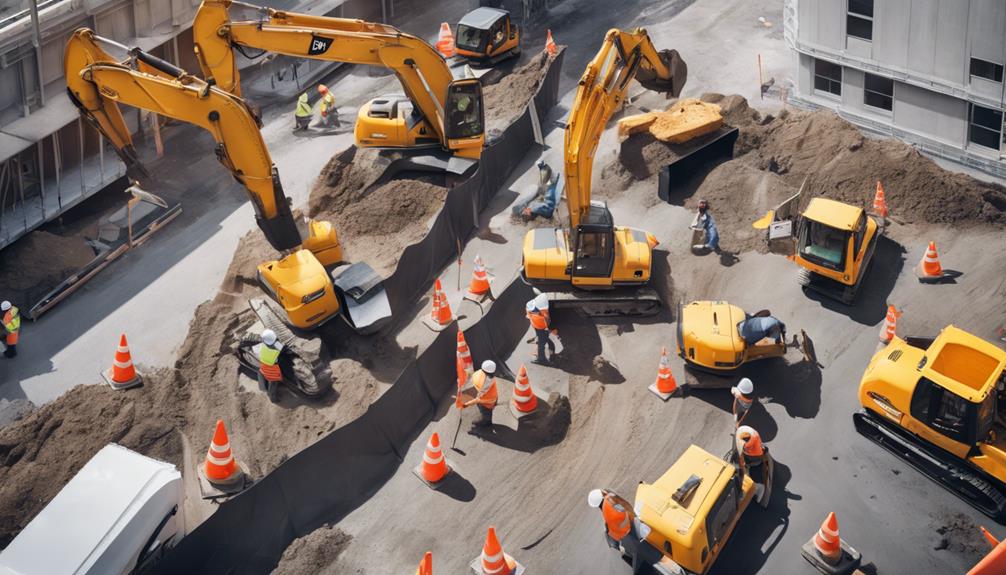
To initiate the application process for the Street Excavation Bond, you'll need to gather the necessary documentation and complete the required forms. Start by obtaining the application form from the West Valley Sanitation District's website or office. Ensure you have all relevant details, such as project specifications, contractor information, and the estimated duration of the excavation work.
Next, compile supporting documents, including proof of insurance, a project plan, and any permits that may be required by local regulations. This documentation helps demonstrate that you're prepared and compliant with all necessary standards.
Once you've completed the forms and gathered the documentation, submit everything to the appropriate department within the West Valley Sanitation District. Keep copies of all submitted materials for your records.
After submission, the district will review your application. Be prepared to address any questions or provide additional information if requested.
It's crucial to follow up on your application status to ensure a smooth approval process. By staying organized and proactive, you can navigate the application process efficiently and increase your chances of securing the Street Excavation Bond without unnecessary delays.
Financial Implications
Navigating the financial implications of securing a Street Excavation Bond is essential for any contractor. You'll need to consider the cost of the bond itself, which can vary based on the project's scope, your creditworthiness, and the bonding company's terms. Typically, you'll pay a percentage of the total bond amount as a premium. This upfront cost can impact your budget, so it's vital to factor it into your overall project expenses.
Additionally, having a bond can influence your cash flow. While it assures clients of your reliability, it may also require you to set aside funds to cover potential claims. If a claim arises, you could face additional costs, including legal fees and potential payouts.
Moreover, if your financial health isn't strong, you might encounter challenges securing a bond or pay higher premiums, thereby affecting your profit margins. Understanding these financial aspects can help you make informed decisions and maintain a healthy cash flow throughout your project.
In essence, being aware of these implications can empower you to approach the bonding process strategically, ensuring you're prepared for both anticipated and unexpected costs.
Community Impact
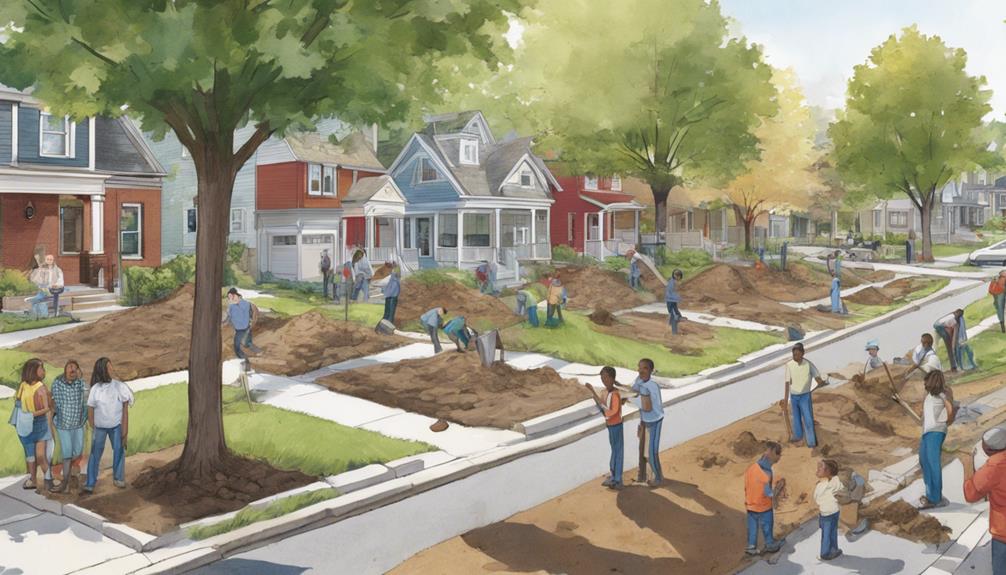
Securing a Street Excavation Bond not only affects your finances but also has significant repercussions for the community. When you invest in this bond, you're ensuring that the street repair process is conducted efficiently and safely. This commitment helps maintain the quality of roads, which is crucial for everyone who lives and works in the area.
Your bond also signifies a dedication to minimizing disruption. By ensuring that the necessary funds are available, you help prevent prolonged construction delays that can inconvenience residents and local businesses. A smooth process means less traffic congestion and a more pleasant environment for everyone.
Moreover, bonding promotes accountability among contractors. When you secure a bond, you're encouraging contractors to adhere to regulations and meet safety standards. This oversight protects not just your interests but also the well-being of your neighbors.
In a broader sense, the community benefits from improved infrastructure. Well-maintained streets enhance property values, attract businesses, and promote a sense of pride among residents.
Ultimately, your decision to obtain a Street Excavation Bond plays a crucial role in fostering a thriving, connected community.
Future Considerations
As you think about the future, how can securing a Street Excavation Bond impact your long-term plans? This bond acts as a safety net, ensuring that your projects align with local regulations and community standards.
By obtaining it, you demonstrate your commitment to responsible excavation practices, which can enhance your reputation and foster trust within the community.
Looking ahead, consider how this bond can streamline the approval process for future projects. When you've established a solid record of compliance, you're likely to face fewer hurdles in securing permits.
This can save you time and reduce costs, allowing you to focus more on your core objectives.
Moreover, as infrastructure demands grow, having a Street Excavation Bond can position you favorably in competitive bidding situations.
Clients and stakeholders often prefer working with bonded contractors, as it reflects reliability and professionalism.
Conclusion
In conclusion, the Street Excavation Bond is essential for ensuring that excavation projects in the West Valley Sanitation District are completed safely and responsibly. By holding contractors accountable, it protects the community and enhances local infrastructure, ultimately benefiting everyone involved. As you navigate the application process, remember the bond's critical role in fostering trust and safeguarding public resources. Embracing this requirement not only supports compliance but also contributes to a thriving and resilient community.