If you're planning a construction project in Rancho Cordova, California, you need to understand the encroachment bond requirement. This bond ensures that any work done on public land is held to a high standard, protecting both the city and its residents. You might be wondering about the different types of bonds available and when exactly you'll need one. It's crucial to grasp the application process and associated costs to avoid potential pitfalls. What challenges could you face along the way, and how can you navigate them effectively?
What Is an Encroachment Bond?
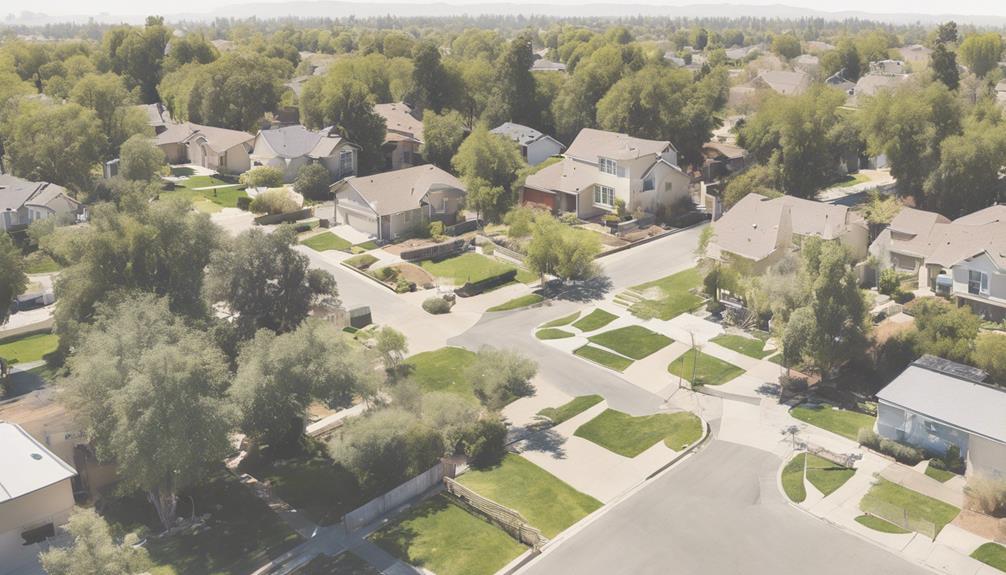
An encroachment bond is a financial guarantee that protects a municipality or property owner when someone intends to build on or use public land. This bond ensures that if any damage occurs to the public property during the construction or usage period, the costs of repairs will be covered.
Essentially, it's a safety net designed to prevent potential financial losses to the municipality or landowner.
When you apply for an encroachment bond, you're showing your commitment to responsible construction practices. It demonstrates that you're aware of the risks involved in encroaching on public land and that you're ready to take financial responsibility for any issues that may arise. The bond amount typically reflects the estimated cost of repairs or restoration needed for the public property.
In many cases, municipalities require this bond before granting permission for your project. It's crucial to understand that the bond acts as a form of insurance. If everything goes smoothly, you won't need to worry about any claims against the bond.
However, should problems arise, the bond ensures the municipality or property owner can recover costs quickly and efficiently.
Importance of Encroachment Bonds
Encroachment bonds play a crucial role in ensuring accountability and protecting public interests during construction projects. When you obtain an encroachment bond, you're essentially committing to adhere to local regulations and standards while working on or near public property. This bond acts as a safety net for the community, ensuring that if your project causes damage or disruption, there are funds available to cover the costs.
By securing an encroachment bond, you demonstrate professionalism and a commitment to the community. It reassures local authorities and residents that you're responsible and willing to take financial responsibility for any unforeseen issues that may arise during construction. This not only helps in building trust but also paves the way for smoother project approvals and inspections.
Furthermore, having an encroachment bond can protect you from potential legal disputes. If someone claims that your construction has negatively impacted their property or the public space, the bond provides a mechanism for resolving these claims without dragging you through a lengthy legal battle.
In essence, encroachment bonds safeguard both you and the community, making them essential for any construction project that encroaches upon public land.
Types of Encroachment Bonds

When diving into the world of encroachment bonds, you'll find that there are several types designed to suit different construction scenarios. The most common type is the public encroachment bond, which is often required for work done on public property, such as sidewalks or streets. This bond ensures that the contractor will restore the area to its original condition after completing the project.
Another type is the private encroachment bond, typically used when you need to build on or near private property. This bond protects the property owner from any potential damages or disputes that might arise during construction.
You'll also come across performance bonds, which guarantee the completion of a project according to the specified terms. If the contractor fails to meet these obligations, the bond provides financial compensation to the affected parties.
Lastly, there are maintenance bonds, which cover any repairs or maintenance needed after the project is completed. These bonds ensure that the work remains in good condition for a specified period.
Understanding these types of encroachment bonds will help you choose the right one for your particular project and navigate the permitting process more effectively.
When Is an Encroachment Bond Required?
Determining whether you need an encroachment bond often hinges on the specifics of your construction project. If you're planning to work within public right-of-way areas or on city-owned property, you'll likely need one. This requirement helps ensure that any disruptions caused by your project won't negatively impact the community or public services.
You might need an encroachment bond if your work involves excavating, placing structures, or installing utilities in these areas. Even minor projects, like landscaping or installing a fence near the sidewalk, can trigger the need for a bond. The bond acts as a financial guarantee that you'll adhere to all regulations and restore the area to its original condition once your project is complete.
Additionally, if your project poses any risk of damage to city infrastructure or public safety, an encroachment bond becomes essential. It protects the city and taxpayers from potential liabilities.
Always check with local regulations or consult with city officials to clarify requirements specific to your project. Understanding these nuances will help you avoid delays and ensure you're fully compliant with city ordinances.
Application Process Overview
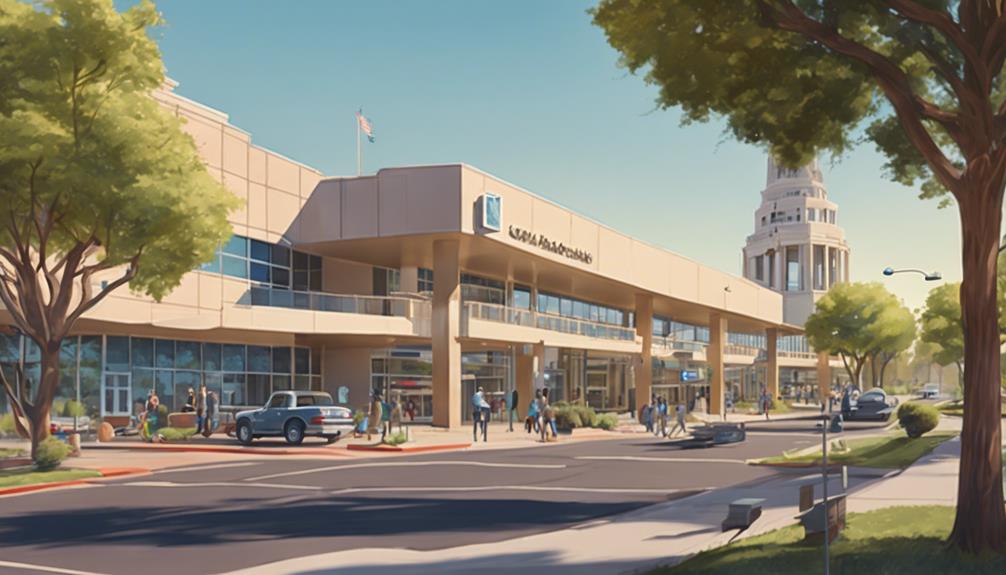
Before diving into your construction project, you'll need to navigate the application process for an encroachment bond. First, familiarize yourself with the specific requirements set by the City of Rancho Cordova. You'll want to check for any guidelines that may pertain to your project type, as these can vary depending on the scope and location of your work.
Next, you'll fill out the application form provided by the city. Make sure to provide all the necessary details about your project, including its purpose, location, and expected duration. This step is crucial, as incomplete or inaccurate information can delay the process.
Once your application is submitted, it'll undergo a review. During this time, be prepared to address any questions or concerns from city officials. They may request additional information or clarification about your project.
After approval, you'll proceed to secure the bond itself. Keep in mind that this process can take some time, so it's wise to start early.
Required Documentation
After your application for the encroachment bond is submitted and approved, you'll need to gather the required documentation to move forward. This documentation is essential for finalizing your bond and ensuring compliance with local regulations.
First, you'll need proof of ownership or authorization for the property where the encroachment will occur. This includes property deeds or letters of consent from property owners, if applicable.
Next, an engineering plan detailing the scope of work is crucial. This plan should outline the proposed encroachment and ensure it meets city specifications.
Additionally, you may need to provide a certificate of insurance showing coverage for any potential liabilities associated with the project. This protects both you and the city in case of accidents or damages.
Lastly, be prepared to submit any permits or approvals required by other city departments related to your project. Keeping these documents organized and ready will streamline the process.
Ensure you check with the city's guidelines for any specific requirements relevant to your situation. Gathering everything in advance can save you time and help you avoid delays in starting your project.
Costs Associated With Encroachment Bonds
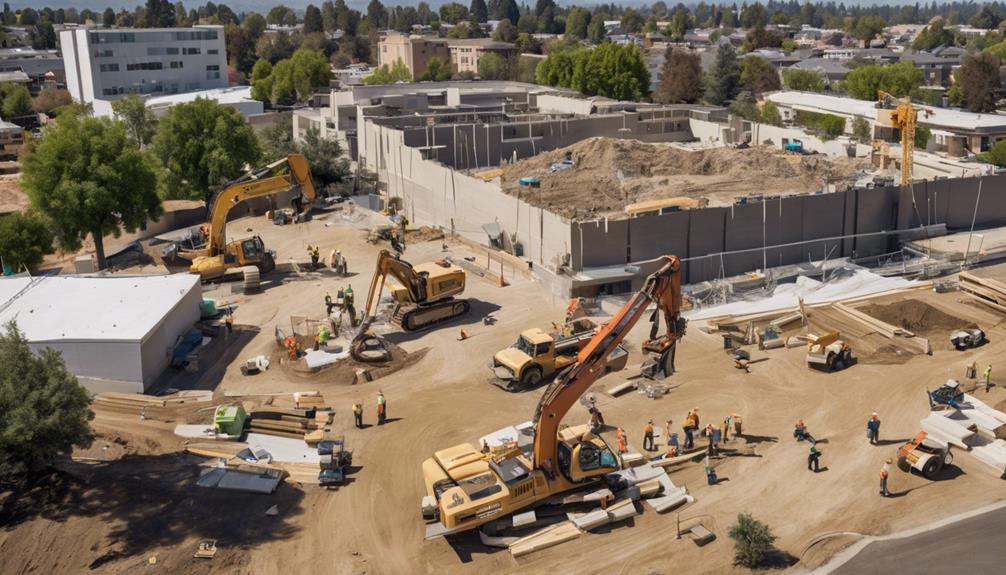
Understanding the costs associated with encroachment bonds is crucial for your project's budget. When you apply for an encroachment bond in Rancho Cordova, you'll typically encounter a few key expenses.
First, there's the bond premium, which is usually a percentage of the total bond amount. This percentage can vary based on your creditworthiness and the specific requirements of the bond.
Additionally, you might face administrative fees from the issuing agency or surety company. These fees can cover the processing of your application and any associated paperwork.
Don't forget to factor in any potential costs for legal consultation if you need assistance navigating the bond application process or understanding local regulations.
If your project requires adjustments or additional measures to comply with city codes, those costs should also be considered. It's wise to set aside a contingency fund to address any unexpected expenses that may arise during the project.
Common Challenges Faced
While navigating the encroachment bond process in Rancho Cordova, you might encounter several common challenges that could complicate your project.
One major hurdle is understanding the specific requirements for your bond. Each project can have unique stipulations based on its location and scope, leading to confusion if you aren't fully informed.
Another challenge is the paperwork involved. The application process can be tedious, requiring detailed documentation and multiple forms. If you miss a step or submit incomplete information, it could delay your project significantly.
Additionally, you might find it tough to estimate the bond amount accurately, which can affect your budgeting.
Communication with local authorities can also pose difficulties. You may experience delays or miscommunications when trying to clarify requirements or seek approvals.
This lack of clarity can lead to frustration and potential setbacks.
Compliance and Regulations

Navigating compliance and regulations is crucial for successfully securing an encroachment bond in Rancho Cordova. You'll need to familiarize yourself with the local laws and guidelines that govern public property usage.
Start by reviewing the city's specific requirements for encroachments, which can include permits, applications, and detailed plans of your proposed encroachment.
Make sure you adhere to zoning regulations, as these will dictate what types of encroachments are permissible in different areas.
You'll also want to check for any environmental regulations that might apply, especially if your project could impact local ecosystems or waterways.
It's essential to ensure that your encroachment doesn't obstruct public access or safety. This means considering factors like traffic flow, pedestrian pathways, and visibility for drivers.
Don't overlook potential utility easements; you'll need to identify any underground or overhead utilities that could be affected by your work.
By staying informed and meticulous about these compliance aspects, you can avoid delays and complications, paving the way for a smoother approval process.
Following these guidelines not only protects you but also contributes to the greater good of the Rancho Cordova community.
Contact Information for Assistance
For any questions or concerns regarding your encroachment bond in Rancho Cordova, don't hesitate to reach out to the city's planning department.
They're equipped to assist you with any inquiries you might've about the application process, requirements, or regulations related to your bond.
You can contact the planning department by phone at (916) 851-8700. Their knowledgeable staff is available during regular business hours to provide guidance and support.
If you prefer to communicate in writing, you can send an email to [email protected]. Be sure to include your full name, contact information, and a brief description of your inquiry to ensure a prompt response.
Additionally, you can visit the city's official website at www.cityofranchocordova.org. There, you'll find valuable resources, including forms, guidelines, and frequently asked questions about encroachment bonds.
If you need to meet in person, consider visiting the planning department at 2729 Prospect Park Drive, Rancho Cordova, CA 95670.
Conclusion
In summary, understanding encroachment bonds in Rancho Cordova is crucial for your construction project. These bonds not only protect public interests but also ensure compliance with local regulations. By knowing the types, requirements, and application process, you can navigate this essential step smoothly. Don't hesitate to reach out to the city's planning department for assistance—they're there to help you every step of the way. Secure your encroachment bond and proceed with confidence!