When you consider excavation lateral support in Los Angeles, you can't overlook the unique geological challenges that come with this urban landscape. Understanding how to implement effective techniques like shoring and soil nails is vital for ensuring safety and stability, especially with the region's seismic activity. As you navigate the complexities of local regulations, you might wonder how these factors influence project outcomes. The interplay between compliance and engineering methods reveals much about successful excavation practices—so what best practices should you keep in mind?
Overview of Excavation Lateral Support
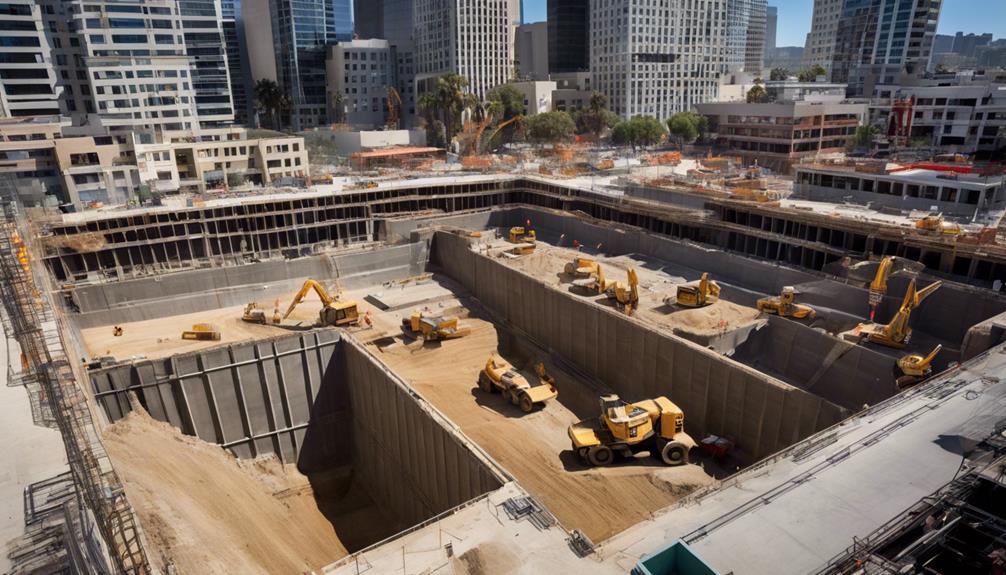
When you're digging deep into the ground, excavation lateral support is crucial for maintaining stability and safety. This support system helps prevent soil and structural failure during the excavation process. Essentially, it involves techniques that counteract the lateral forces acting on the excavation site, ensuring the surrounding earth and any nearby structures remain secure.
Excavation lateral support can take various forms, including braces, shoring, and underpinning. These methods provide the necessary reinforcement to protect both workers and the integrity of the project.
You'll often see these systems used in urban environments, where space is tight, and existing structures may be in close proximity to your excavation site.
Understanding the different types of lateral support is essential for effective planning and execution. It's not just about protecting the site; it's about adhering to regulations and industry standards.
Failing to implement adequate support can lead to costly delays and potentially dangerous situations.
Importance of Lateral Support
Why is lateral support so critical in excavation projects? When you dig into the earth, you're not just removing dirt; you're altering the ground's natural stability. Without proper lateral support, the walls of your excavation can collapse, posing serious risks to workers and nearby structures.
You may face significant financial losses, delays, or even legal issues if an accident occurs. Lateral support helps maintain the integrity of the excavated area, preventing soil movement that can lead to cave-ins. It also protects adjacent properties from damage, ensuring that your project doesn't negatively impact the surrounding environment.
You're not just digging a hole; you're engaging in a complex interaction with the soil and surrounding structures that requires careful planning and execution. Furthermore, employing effective lateral support techniques can enhance your project's overall efficiency.
With the right systems in place, you can streamline your work processes, minimize disruptions, and keep your project timeline on track. So, as you embark on your excavation project, remember that prioritizing lateral support isn't just a safety measure; it's a crucial step in achieving your goals without compromising on safety or quality.
Local Regulations and Codes

Understanding local regulations and codes is essential for anyone involved in excavation projects in Los Angeles. These regulations ensure safety, protect property, and maintain the integrity of the city's infrastructure. You need to familiarize yourself with the Los Angeles Municipal Code (LAMC) and state laws governing excavation and lateral support.
Before starting any project, you must obtain the necessary permits and approvals. This process often involves submitting detailed plans that demonstrate compliance with local codes. Pay particular attention to the requirements concerning excavation depth, site drainage, and adjacent property protection.
Additionally, you should be aware of the California Building Code (CBC), which provides guidelines that affect excavation practices. Following these codes can help you avoid costly fines and legal issues down the line.
Consulting with a licensed engineer or contractor familiar with local regulations can also be beneficial. They can help you navigate the complexities of the permitting process and ensure that your project meets all safety standards.
Common Techniques Used
Excavation projects in Los Angeles often employ a variety of techniques to ensure lateral support and stability. One common method is the use of shoring systems, which provide temporary support to prevent soil collapse during excavation.
You might encounter hydraulic shoring, which uses hydraulic cylinders to maintain pressure against the soil, or trench boxes that create a protective barrier.
Another technique involves the use of soil nails. By installing steel rods into the ground and grouting them in place, you can create a reinforced wall that holds back soil effectively.
If you're working on deeper excavations, consider using soldier piles and lagging systems. This method consists of vertical steel beams placed into the earth, with wooden or steel boards installed between them for added support.
Additionally, you might also see the use of retaining walls. These structures can help manage lateral earth pressure and provide a solid foundation for your project.
Each of these techniques has its advantages and disadvantages, so it's essential to assess your specific project requirements and local conditions to choose the most effective approach for lateral support.
Geology and Soil Conditions

When planning lateral support for excavation projects in Los Angeles, it's crucial to consider the area's diverse geology and varying soil conditions. The region's geological makeup ranges from sedimentary deposits to volcanic rock, each presenting unique challenges for excavation.
You'll encounter clay, sand, silt, and gravel, which can significantly influence excavation stability and support requirements.
Understanding the soil's bearing capacity is essential. For instance, cohesive soils like clay can provide good lateral support but may also experience increased pressure when saturated. On the other hand, granular soils like sand can shift easily, necessitating additional support systems to prevent collapse during excavation.
You'll also want to evaluate the groundwater levels, as they can impact soil behavior and stability. High water tables can lead to soil liquefaction, making it vital to have proper dewatering strategies in place.
In short, assessing the geology and soil conditions is key to designing effective lateral support systems. By doing so, you can minimize risks and ensure the safety and success of your excavation project in Los Angeles.
Seismic Considerations
In Los Angeles, seismic considerations are vital when planning lateral support for excavation projects. The region's susceptibility to earthquakes means you can't overlook the potential impact of ground shaking on excavation stability.
You'll need to assess the seismic hazard levels for your specific site, which involves understanding the soil types and their response to seismic forces.
When designing lateral support systems, consider how seismic activity might affect the surrounding structures as well as the excavation itself. Reinforcing your excavation walls can help mitigate the risks posed by seismic events. This often includes using methods like soil nailing, underpinning, or installing retaining walls that can withstand lateral forces generated during an earthquake.
Moreover, it's essential to adhere to the latest building codes and regulations, which are designed to ensure safety and compliance in seismic-prone areas. Conducting a thorough geotechnical analysis will help you identify necessary precautions and adjust your designs accordingly.
Case Studies in Los Angeles

Understanding seismic considerations is just the beginning; examining real-world examples can provide valuable insights into effective lateral support strategies for excavations in Los Angeles.
One notable case involved a deep excavation for a high-rise building in downtown. The project team utilized soil nails and shotcrete to stabilize the excavation walls, ensuring they could withstand the lateral pressures during seismic events. This approach not only protected the excavation site but also minimized disruption to nearby structures.
Another case involved a residential development in the Hollywood Hills. Here, the team implemented a combination of retaining walls and cantilevered piles. This strategy effectively supported the excavation while addressing the unique challenges presented by the steep terrain. The successful execution of these methods demonstrated how tailored solutions can mitigate risks in various soil conditions.
Lastly, a major infrastructure project along a busy thoroughfare required innovative lateral support systems due to limited space. Engineers employed a trench box system, allowing them to maintain safety while minimizing the impact on traffic.
These case studies illustrate that understanding site-specific conditions and employing appropriate techniques are crucial for successful excavation lateral support in Los Angeles.
Best Practices for Safety
Ensuring safety during excavation projects in Los Angeles involves adhering to a set of best practices that mitigate risks associated with lateral support.
First, always assess the site conditions thoroughly before starting any excavation. This includes understanding soil types, groundwater levels, and nearby structures that may affect stability.
Next, implement proper shoring techniques to provide adequate lateral support. Use materials like steel or timber, ensuring they're installed correctly according to engineering specifications.
Regularly inspect these supports during the project to address any signs of movement or failure immediately.
Training your crew is crucial. Ensure that all workers understand the risks involved and the safety protocols in place. Conduct regular safety meetings and drills to keep everyone informed.
Additionally, maintain clear communication with your team and stakeholders. Reporting any changes in site conditions or emergencies promptly can prevent accidents.
Lastly, always follow local regulations and guidelines set forth by the City of Los Angeles. Staying informed about legal requirements will keep you compliant and safe.
Conclusion
In conclusion, understanding excavation lateral support in Los Angeles is vital for any construction project. By prioritizing safety, adhering to local regulations, and employing effective techniques, you can protect your site and neighboring properties. Remember, the city's unique geological and seismic conditions require careful planning and execution. By following best practices and learning from past case studies, you'll not only enhance project efficiency but also contribute to the overall safety and stability of the urban environment.